Publicis Groupe South Asia CEO and Creative Data Jury President Anupriya Acharya says this year’s strongest work proved that data is most powerful when it solves real human problems.
For years, marketers have spoken about data as though bigger automatically means better. More dashboards. More analytics. More algorithms. More signals.
The winners of this year’s Creative Data Lions at Cannes suggest something rather different.
The most celebrated work was not driven by the largest data sets or the most sophisticated technology. Instead, it demonstrated that creativity still determines whether data becomes genuinely useful or simply remains information waiting to be interpreted.
That was the central message from Anupriya Acharya, CEO of Publicis Groupe South Asia and President of the Creative Data Lions Jury, as she reflected on the work that emerged from Cannes Lions 2026.
The Grand Prix went to SOS POS, created by Circus Grey Lima for Banco de Crédito del Perú (BCP), an idea that transformed ordinary payment terminals into emergency lifelines for victims of phone theft.
What impressed the jury was not technological complexity but elegant problem-solving.
“The Grand Prix winner stood apart for the beautiful simplicity of its idea and the imaginative use of data — data used to protect data,” Acharya said.
At a moment when someone loses a mobile phone and potentially access to banking credentials, the nearest payment terminal becomes a point where victims can immediately begin securing their financial information.
In an industry where banking products often struggle to differentiate themselves, the campaign did something many financial brands aspire to but rarely achieve. It made the brand genuinely useful during one of a customer’s most stressful moments.
The work also reflected a broader shift in how the Creative Data category is evolving.
Rather than rewarding technological sophistication for its own sake, this year’s jury recognised ideas where data quietly disappeared into the background while human value took centre stage.
Acharya identified three clear themes running through the winning entries. The first was the ambitious use of large and often complex data sets to solve meaningful societal challenges.
Australia’s Suncorp converted climate, property and environmental risk data into personalised resilience plans that help homeowners better prepare for disasters.
New Zealand’s Fantasy Herd transformed live dairy farm data into engaging entertainment, giving the country’s farming community fresh visibility while strengthening the brand’s connection with consumers.
Elsewhere, Venezuela’s Comando Con Venezuela demonstrated perhaps the most courageous application of data. Citizens armed with smartphones and QR codes became a decentralised verification network, creating trusted election data under extraordinarily difficult circumstances.
The second trend was almost the opposite. Some of the strongest work relied on relatively simple data, but paired it with exceptionally imaginative thinking.
SOS POS belongs firmly in this category. So does Škoda’s DuoBell, which used acoustic data to address a genuine road safety issue.
The lesson, Acharya suggested, is that creative excellence has little to do with the size of the database. The real differentiator lies in asking better questions about what data can actually do for people.
The third emerging pattern focused on making invisible problems visible.
Several winning campaigns used data to expose issues that often remain hidden from public view before creating systems capable of driving meaningful change.
Mastercard’s Here to Stay highlighted migrant underemployment and translated those insights into employment opportunities.
Hyundai’s Forests Without Names transformed fragmented environmental information into a common mapping standard for kelp forests, while Hospice New Zealand’s Dying Reviews used data to reveal the overlooked needs of people approaching the end of life.
Across these very different campaigns ran a common thread.
They did not simply present information. They enabled action. That distinction may well define the future of Creative Data.
For much of the past decade, marketers have invested heavily in collecting, organising and analysing ever-expanding pools of information. Yet consumers rarely remember a brand because it possesses impressive data infrastructure.
They remember brands that make life easier, safer or more meaningful.
This year’s Creative Data winners demonstrate that the industry’s competitive advantage is shifting from access to information towards imagination.
As artificial intelligence makes data increasingly abundant and accessible, originality will no longer come from having more information than everyone else.
It will come from discovering more human ways to use it.
In that sense, Cannes Lions 2026 may have delivered an important reminder for marketers everywhere. The future of data is not about technology. It is about empathy.
Share Post:


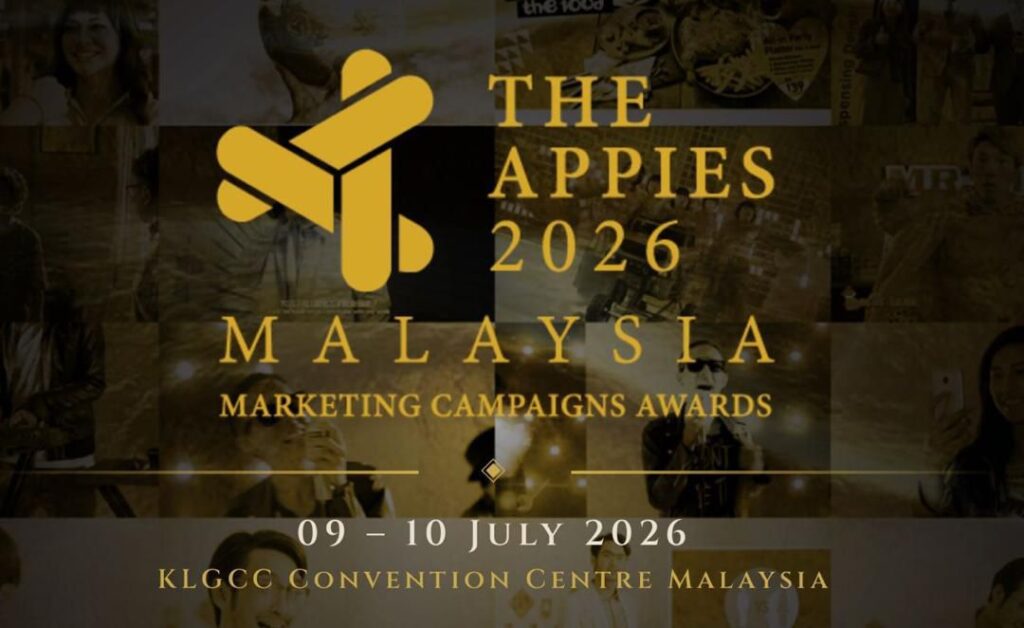
The APPIES is where Malaysia’s boldest campaigns, brightest ideas, and most impactful storytellers take the stage.
More than an awards show, it is the industry’s ultimate platform for creative, media, digital and marketing excellence, where live presentations meet live judging.
This is your chance to showcase work that moved audiences, shaped conversations, and delivered real results.
From breakthrough brand campaigns to innovative digital experiences, the APPIES celebrates the work that defines the future of marketing.
Step into the spotlight alongside the industry’s leading agencies, brands, creatives, strategists and changemakers.
Whether you are aiming for Gold, Silver, Bronze or the prestigious Best of the Best recognition, this is your moment to make history.
Your campaign deserves to be seen.
Your ideas deserve the stage.
Your work deserves the legacy.
KEY DATES
Haven’t subscribed to our Telegram channel yet? Don’t miss out on the hottest updates in marketing & advertising!