By Darren Yuen, CEO, IPG Mediabrands
Budget 2026 isn’t business as usual. It’s Malaysia’s fiscal reality check, a RM470 billion statement of intent that trades comfort for clarity. Gone are the days when growth was fuelled by broad subsidies and easy optimism. This budget is about accountability, innovation, and long-term reform. It rewards productivity, not dependency. It favours efficiency, not excess. For businesses and consumers alike, it marks a clear turning point: spend smarter, operate leaner, and deliver measurable value in every ringgit.
Malaysians will still spend, but not the same way. The B40 will continue to chase affordability with sharper intent, the M40 will gravitate toward brands that enhance convenience and lifestyle relevance, and the T20 will shift focus from prestige to progress, seeking brands that deliver substance with stature. Budget 2026 has effectively recalibrated the psychology of spending: loyalty no longer belongs to the loudest brand, but to the most useful one.
For marketers, that shift cuts both ways. Some industries are set to surge ahead. Banking and financial services will grow through additional measures that support SME lending, digital financing and sustainability-linked portfolios. Whilst companies that foray into green tech and commercialisation of R&D will benefit from significant tax incentives. Telecommunications and digital infrastructure will gain significantly from the RM2 billion Sovereign AI Cloud initiative, powering new layers of connectivity and analytics. And automotive, especially EV-driven brands will benefit from cleaner mobility policies.
At the heart of Malaysia’s modern economy, e-commerce retail stands at a defining inflection point. Poised to thrive if it can evolve fast enough.
Budget 2026’s focus on targeted aid, tourism, and SME digitalisation presents an extraordinary opening for e-commerce platforms like Shopee, TikTok Shop and Lazada to bridge consumer intent and local business empowerment. As cash aid cycles, domestic travel incentives, and AI infrastructure investments converge, Malaysians will be shopping with renewed intent. Value-first, convenience-fast, and reward-driven.
The smartest e-commerce players will be integral through “Smart Commerce Campaigns” that fuse data, content, and contextual value. Imagine being relevant through VMY 2026 with “Travel & Shop” promotions activated around tourism corridors, allowing small merchants to offer local product bundles to travellers exploring new towns and destinations locally. Or “Smart Spend Weeks” tied to SARA disbursements, where deals dynamically adjust to consumer affordability windows. Platforms can also introduce AI-personalised shopping journeys that anticipate needs and recommend local alternatives, turning domestic spending into a national ecosystem of discovery and loyalty.
This is where e-commerce transforms from transaction enabler to economic accelerator. Empowering local brands, reviving small-town entrepreneurship, and rewarding consumers for keeping their ringgit within Malaysia. When purpose meets personalisation, commerce becomes community. Imagine the potential and opportunity that this unlocks.
Not every sector will have this tailwind. Property developers will face headwinds as foreign demand slows under higher stamp duties, forcing a pivot to affordable, sustainable housing. Energy-intensive manufacturers will wrestle with rising costs, as carbon compliance becomes real. Traditional retail will feel the squeeze of slower walk-ins and rising operational costs unless it merges online engagement with offline experience. In 2026, survival depends less on price and more on purpose. Brands must not just sell but stand for something.
The new marketing landscape demands collaboration that cuts deeper than campaign execution. The age of transactional agency relationships is no longer relevant. Marketers and agencies must co-own the business problem, blending business marketing consultancy, martech integration, and creativity into a single growth system. The modern brief shouldn’t ask how to shout louder; it should ask how to matter more. Agencies that can connect strategy, technology, and storytelling into outcome-based marketing will lead the transformation.
For brands, the mandate is clear. Every marketing ringgit must earn its keep. Campaigns must connect directly to business outcomes—conversion, retention, share growth. Purpose must lead to behaviour intent, rather than applause. The smartest marketers will build ecosystems of engagement that make consumers act, not just react. Loyalty must be earned through context, content, and continuity. The days of “reach and frequency” are fading; what matters now is relationship and resonance.
Budget 2026 is not a constraint. It’s a catalyst. It forces Malaysian marketers and agencies to evolve from storytellers to strategists, from campaigners to consultants. It calls for sharper thinking, faster execution, and fearless creativity. Those who integrate data, technology, and purpose into every marketing decision will define the next phase of Malaysia’s growth story.
This is not the year to sell noise. It’s the year to sell meaning, movement, and measurable impact. Because in 2026, relevance won’t be inherited, it will be earned.
Share Post:

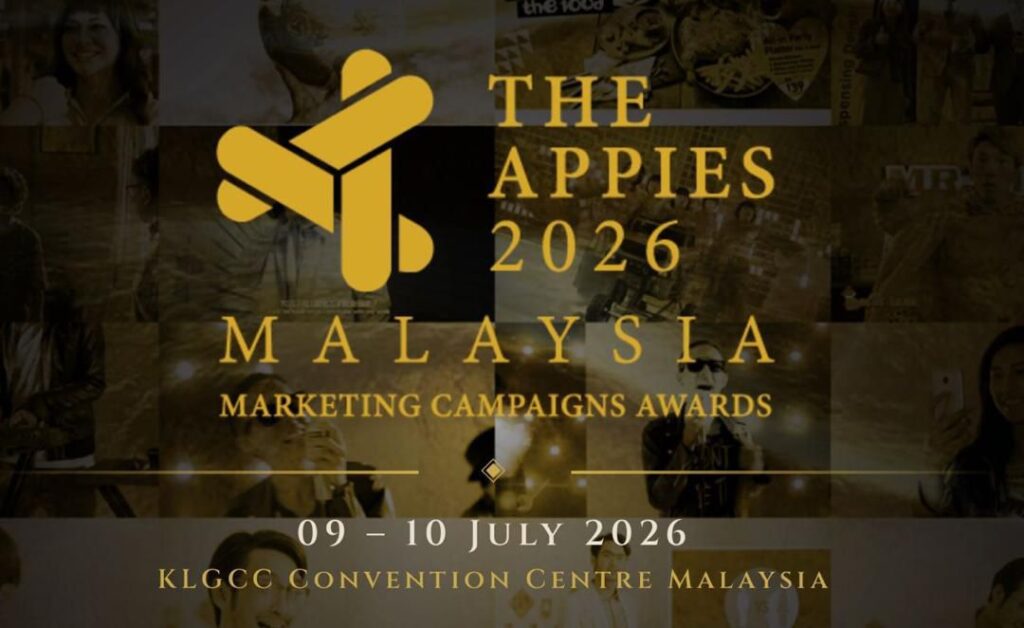
The APPIES is where Malaysia’s boldest campaigns, brightest ideas, and most impactful storytellers take the stage.
More than an awards show, it is the industry’s ultimate platform for creative, media, digital and marketing excellence, where live presentations meet live judging.
This is your chance to showcase work that moved audiences, shaped conversations, and delivered real results.
From breakthrough brand campaigns to innovative digital experiences, the APPIES celebrates the work that defines the future of marketing.
Step into the spotlight alongside the industry’s leading agencies, brands, creatives, strategists and changemakers.
Whether you are aiming for Gold, Silver, Bronze or the prestigious Best of the Best recognition, this is your moment to make history.
Your campaign deserves to be seen.
Your ideas deserve the stage.
Your work deserves the legacy.
KEY DATES
Haven’t subscribed to our Telegram channel yet? Don’t miss out on the hottest updates in marketing & advertising!