By The Malketeer
When global audiences think of animation as cultural export, Japanese anime or Korean webtoons often come to mind.
Yet quietly, and with growing confidence, Malaysia has been building its own animated universe—one rooted in village life, multicultural harmony, and universal values—now resonating across continents.
According to a Bernama report, series such as Upin & Ipin, Ejen Ali, BoBoiBoy and Mechamato are no longer local curiosities.
They are watched in hundreds of countries, carrying slices of Malaysian life—kampung houses, schoolyard banter, festive traditions—to viewers who may never have set foot here.
In the process, they are doing something bigger than driving viewership numbers: they are reshaping how the world sees Malaysia.
Upin & Ipin: The Kampung Goes Global
For Les’ Copaque Production founder Burhanuddin Md Radzi, Upin & Ipin was never just children’s entertainment.
From the outset, he saw the twin characters as cultural ambassadors, reflecting the everyday harmony of Malaysia’s multiracial society.
“Our guiding principle in every production is to promote national culture, highlight noble values, and impart lessons that audiences can embrace,” he told Bernama.
The charm lies in the details: wooden kampung houses, shared meals, friends of different backgrounds growing up together.
For foreign viewers, these scenes are not just entertainment—they are windows into a way of life rarely portrayed in global media.
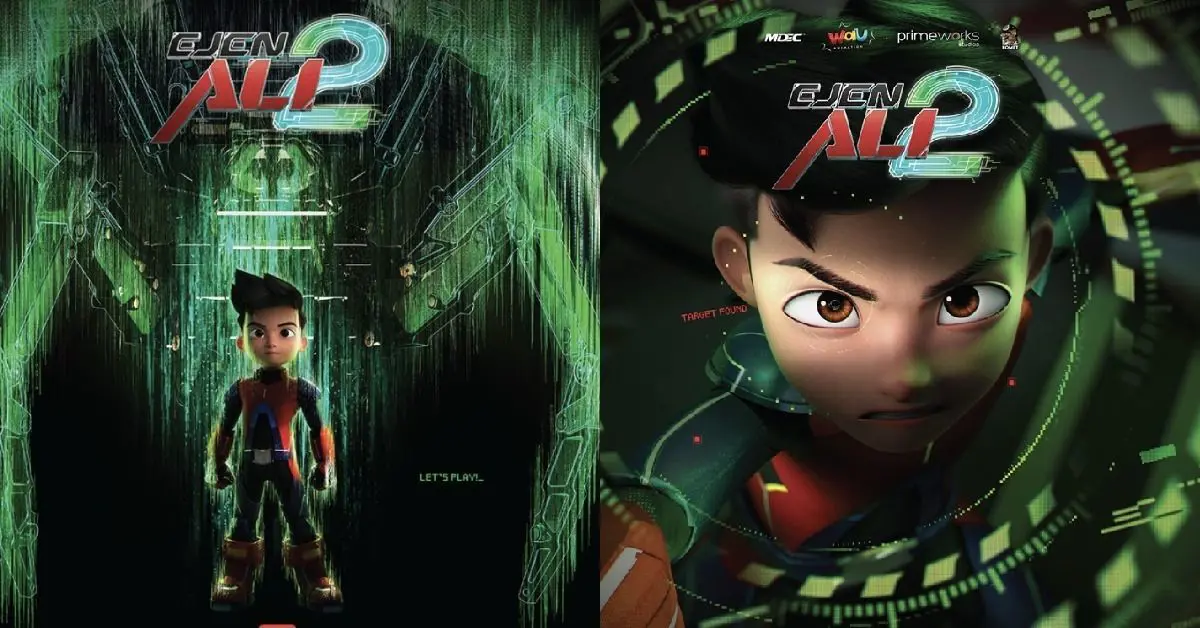
Ejen Ali: 13 Billion Views and Counting
If Upin & Ipin is Malaysia’s cultural postcard, Ejen Ali is its blockbuster action export.
The series has racked up more than 13 billion YouTube views and penetrated markets as diverse as Indonesia, India, and even the World Expo in Osaka.
For Muhammad Usamah Zaid Yasin, CEO of WAU Animation and director of Ejen Ali The Movie 2, the goal is clear: animation must do more than entertain.
“Animation is not just about entertainment. It must deliver a message that leaves an impact while reflecting who we are as Malaysians,” he said.
The secret sauce lies in the blend: Malaysian settings and atmosphere interwoven with universal story conflicts that global audiences instantly grasp.
Patriotism is there, but not chest-thumping.
Islamic values are present, but subtle.
The Malay language remains central, with subtitles and dubbing only added to cross borders.
Animation as Cultural Diplomacy
What both Burhanuddin and Muhammad Usamah articulate is a larger strategy—whether consciously framed or not—of cultural diplomacy.
Malaysia’s animators are following in the footsteps of Japan’s anime and Korea’s K-pop: exporting not just content, but identity, values, and pride.
As Usamah puts it, this is about using animation “as a bridge to introduce Malaysia positively.”
It’s a reminder to brand builders and marketers alike: storytelling doesn’t always need gloss or grandeur.
Sometimes, the most powerful stories are the ones drawn from everyday lives—rendered authentically, and shared with the world.
What Brands Can Borrow from Animators
From kampung tales to spy thrillers, Malaysian animation has already proved it can punch above its weight.
The dream, as Usamah frames it, is for global recognition of Malaysian animation as “unique, soulful work that makes the country proud.”
If the trajectory continues, Malaysia may soon find itself with a cultural export as globally recognisable as anime or K-pop.
Except this time, the stories will come from a kampung kitchen, a bustling schoolyard, and the voices of characters who carry with them the harmony of Malaysia itself.
Share Post:

Haven’t subscribed to our Telegram channel yet? Don’t miss out on the hottest updates in marketing & advertising!