WPP is not trimming at the edges. It is rewiring the machine.
The Guardian reports that the British advertising giant has unveiled a sweeping overhaul aimed at saving £500 million annually by 2028, as it attempts to reposition itself as what CEO Cindy Rose calls a “simpler, lower-cost, AI-enabled business.”
The plan comes with a £400 million restructuring price tag over two years and an unspoken but inevitable consequence: job cuts.
For Malaysia and the wider APAC industry, the question is not whether this matters.
It is how deeply the tremors will travel.
AI Anxiety Meets Structural Reality
The pressure is structural, not cyclical.
Artificial intelligence is no longer a backend efficiency tool.
It is reshaping creative development, media optimisation, production workflows and even client-side marketing functions.
Large advertisers are increasingly building in-house data and performance teams, narrowing agency scope.
Rose has acknowledged that WPP’s recent underperformance stems from excessive complexity and inconsistent execution.
Comparable revenue fell 3.6% to £13.6 billion in 2025, while pre-tax profit slid 26% to £1.1 billion.
The dividend has been cut by 62%.
This is not cosmetic surgery.
It is defensive strategy.
WPP will reorganise its empire of hundreds of business units into four core divisions: media, creative, production and a newly elevated enterprise solutions arm.
The latter will focus specifically on AI transformation and already employs more than 1,000 specialists.
The signal is clear. AI is no longer a tool within agencies. It is becoming a standalone revenue line.
Creative Brands Under One Roof
Under the restructure, flagship networks — including Ogilvy, VML and AKQA — will sit under a consolidated WPP Creative umbrella.
They will share back-office operations to remove duplication while maintaining separate brand identities.
It mirrors what rivals have done. Publicis Groupe overtook WPP in global revenue rankings in 2024 after aggressively integrating data, tech, and creative capabilities.
Meanwhile, Omnicom Group recently doubled its synergy target to $1.5 billion following its takeover of Interpublic Group, winning investor applause.
The holding company model is being compressed into something more centralised, more platform-like.
For agency talent, that often means fewer duplicated finance, HR, and operational layers.
WPP has not disclosed how many roles will go, but historical precedent is sobering: 7,200 cuts during the 2009 recession and 7,000 during the 2020 pandemic downturn.
Markets in Flux
Performance has been uneven.
Client losses in the US and UK weighed on fourth-quarter numbers. Europe remains soft. China continues to struggle. India and Australia have provided relative resilience.
APAC leaders will read this carefully. When global holding companies streamline, emerging markets often face pressure to justify margins and headcount.
At the same time, investment into AI transformation capabilities could benefit high-growth digital markets such as Southeast Asia, where brands are experimenting rapidly with data-led commerce and automation.
The restructuring also follows WPP’s removal from the FTSE 100 after nearly three decades — a symbolic fall from dominance.
Its market value has dropped dramatically from a £25 billion peak less than a decade ago to under £3 billion.
Investors want clarity. Clients want capability. Talent wants security.
What This Means for Agencies
This moment may define the next era of agency economics.
AI reduces production costs. It accelerates content generation. It challenges billing models built on hours and headcount.
But it also demands new skill sets — data engineers, AI strategists, automation architects — roles that sit somewhere between consultancy and creative.
WPP’s enterprise solutions pivot suggests agencies are positioning themselves less as campaign makers and more as transformation partners.
Agencies that cut too deeply may hollow out creative culture. Those that move too slowly may lose relevance to tech-native competitors.
For Malaysia’s agency leaders — from network shops to independent players — the message is stark: efficiency and imagination must now coexist within the same balance sheet.
The AI era is not coming.
It has arrived and it is forcing the industry’s largest players to choose between reinvention and decline.
Share Post:


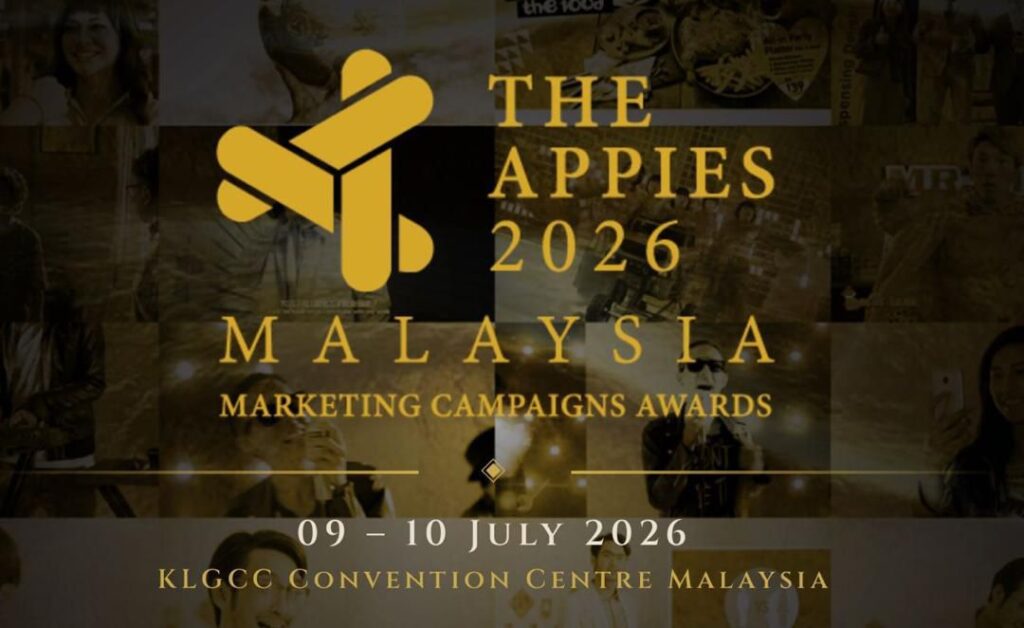
The APPIES is where Malaysia’s boldest campaigns, brightest ideas, and most impactful storytellers take the stage.
More than an awards show, it is the industry’s ultimate platform for creative, media, digital and marketing excellence, where live presentations meet live judging.
This is your chance to showcase work that moved audiences, shaped conversations, and delivered real results.
From breakthrough brand campaigns to innovative digital experiences, the APPIES celebrates the work that defines the future of marketing.
Step into the spotlight alongside the industry’s leading agencies, brands, creatives, strategists and changemakers.
Whether you are aiming for Gold, Silver, Bronze or the prestigious Best of the Best recognition, this is your moment to make history.
Your campaign deserves to be seen.
Your ideas deserve the stage.
Your work deserves the legacy.
KEY DATES
Haven’t subscribed to our Telegram channel yet? Don’t miss out on the hottest updates in marketing & advertising!