By The Malketeer
In a move that could redefine digital content regulation across Southeast Asia, Malaysia is gearing up to mandate ‘AI generated’ labelling under the forthcoming Online Safety Act 2024 — a game-changing policy shift expected to come into effect by the end of this year.
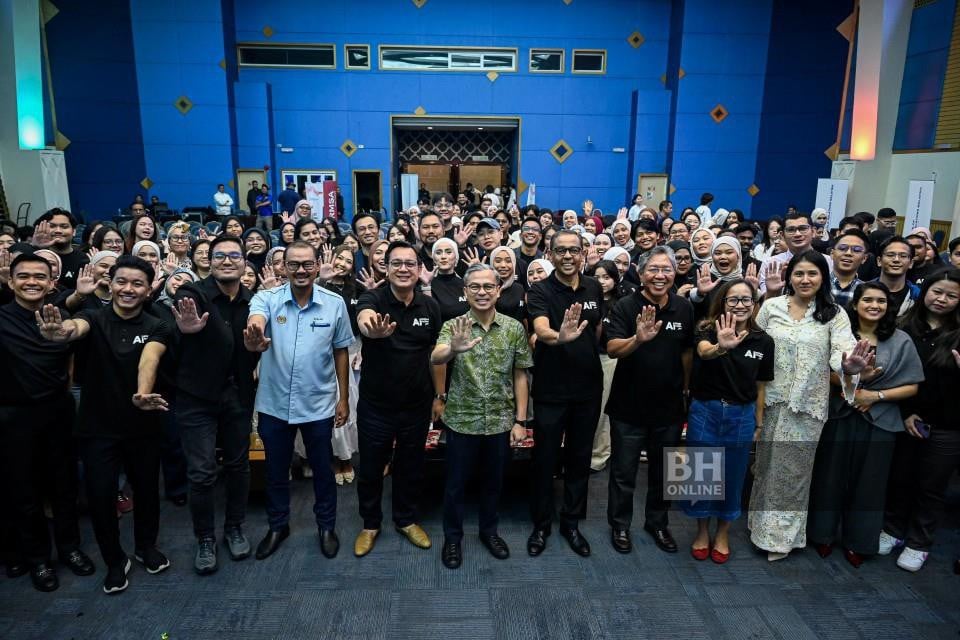
Speaking at the Institute of Public Relations Malaysia’s (IPRM) recent YOU & AI: MEET@BANGSAR forum, Communications Minister Fahmi Fadzil announced the government’s intent to legislate the labelling of AI-generated content to curb scams, identity fraud, and misinformation.
He emphasised that the law would compel platforms and content creators to transparently declare synthetic content — a step seen as critical to safeguarding online trust in an era of deepfakes and digital deception.
“We also believe platforms must be proactive in labelling AI-generated content as such,” Fahmi stressed, signalling a clear pivot toward greater digital accountability.
Time for Ethical Clarity
For marketers, content creators, and agencies, this is not merely a legal development — it’s a wake-up call.
As AI-generated copy, visuals, voiceovers, and avatars become mainstream tools in brand storytelling, the line between real and synthetic continues to blur.
What started as novelty now demands ethical clarity.
Platforms like Meta, TikTok, and Google have begun rolling out voluntary labels for AI-generated content.
However, Malaysia’s push could formalise these efforts, not just nationally, but potentially across the ASEAN region — creating a regional blueprint for AI governance.
This proactive stance comes as no surprise.
AI tools have rapidly infiltrated the advertising, media, and communications ecosystem.
But the darker side of AI — such as manipulated videos, identity impersonation, and algorithmic bias — has raised global red flags.
Fahmi, fresh from attending the AI for Good Summit in Geneva, shared that international bodies like the United Nations (UN) and the International Telecommunication Union (ITU) are still grappling with the question of global AI regulation.
Malaysia, he argued, cannot afford to wait.
“Certainly, at the national level, Parliament and ministries such as the Ministry of Digital must lead. But we also recognise that every ministry has a role in assessing and evaluating AI use within its scope,” he said.
Embedding Responsibility in Digital Transformation
For brand custodians, this opens a critical dialogue:
More importantly, as Gen Alpha — the AI-native generation — comes of age, the stakes rise even further.
Minister Fahmi urged the youth to not just use AI but to understand its benefits, challenges, and limits.
This is not about halting AI innovation.
It’s about embedding responsibility into the digital transformation.
For marketers, this means more than just a compliance checkbox — it’s a chance to redefine trust, creativity, and authenticity in the AI era.
As Malaysia sets the stage for what could be one of the region’s most progressive AI labelling laws, the message to marketers is clear: In the age of artificial intelligence, transparency isn’t optional — it’s strategic.
Share Post:

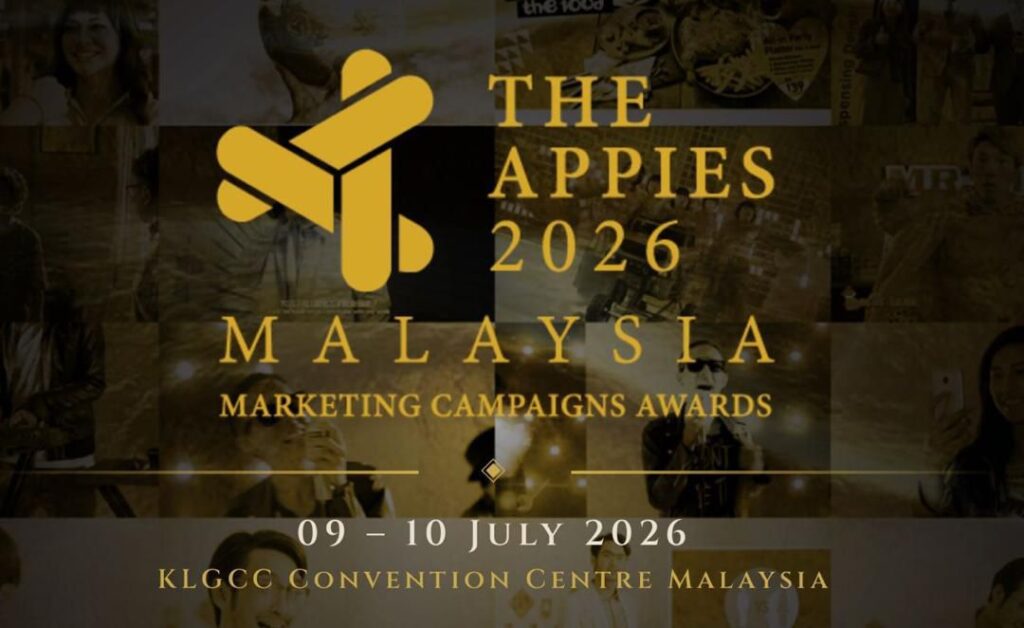
The APPIES is where Malaysia’s boldest campaigns, brightest ideas, and most impactful storytellers take the stage.
More than an awards show, it is the industry’s ultimate platform for creative, media, digital and marketing excellence, where live presentations meet live judging.
This is your chance to showcase work that moved audiences, shaped conversations, and delivered real results.
From breakthrough brand campaigns to innovative digital experiences, the APPIES celebrates the work that defines the future of marketing.
Step into the spotlight alongside the industry’s leading agencies, brands, creatives, strategists and changemakers.
Whether you are aiming for Gold, Silver, Bronze or the prestigious Best of the Best recognition, this is your moment to make history.
Your campaign deserves to be seen.
Your ideas deserve the stage.
Your work deserves the legacy.
KEY DATES
Haven’t subscribed to our Telegram channel yet? Don’t miss out on the hottest updates in marketing & advertising!