A US$1.5 million trademark ruling has turned a legal defeat into something far more complicated: a test of what happens when brand ownership collides with cultural identity.
On paper, this should have been a straightforward trademark case.
A Chinese bubble tea company used a four-petal flower logo. A global luxury house argued that the design infringed one of its registered trademarks. A court agreed.
Case closed. Except consumers did not get the memo.
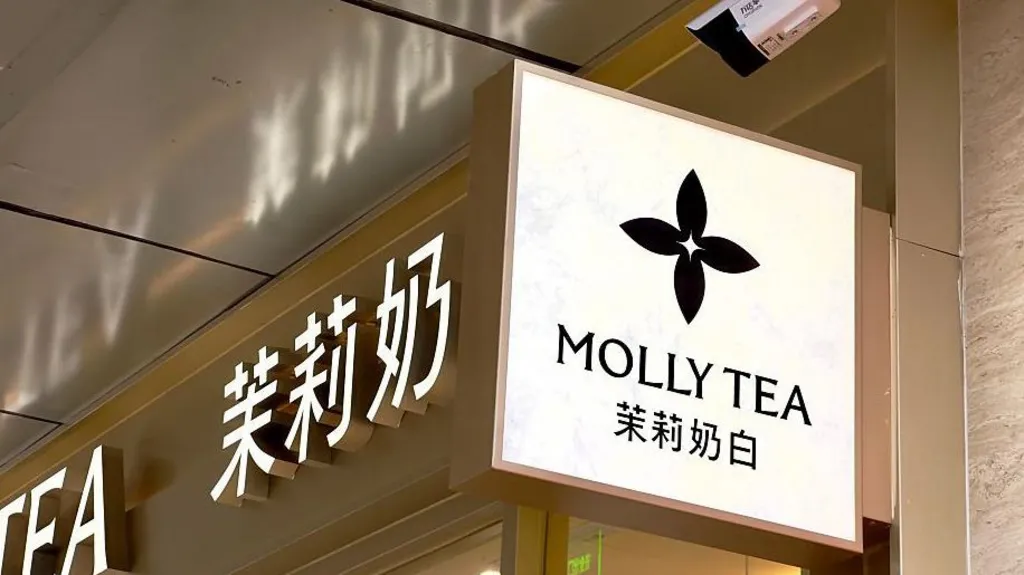
Molly Tea, the popular Shenzhen-based tea chain, has been ordered by a court in Suzhou to stop using its flower logo, issue a public apology and pay 10.3 million yuan, or roughly US$1.5 million, in damages to Louis Vuitton.
But the ruling has done something court decisions rarely manage.
It has turned a logo dispute into a national conversation about who owns culture, who gets to commercialise history and whether a legally protected symbol can still feel culturally borrowed.
A hashtag linked to the case has reportedly attracted more than 400 million views in China. That number should make every marketer pay attention.
Because Louis Vuitton may have won in court. But in the court of public opinion, the verdict is proving far less tidy.
A flower becomes a fault line
The legal argument appears clear enough.
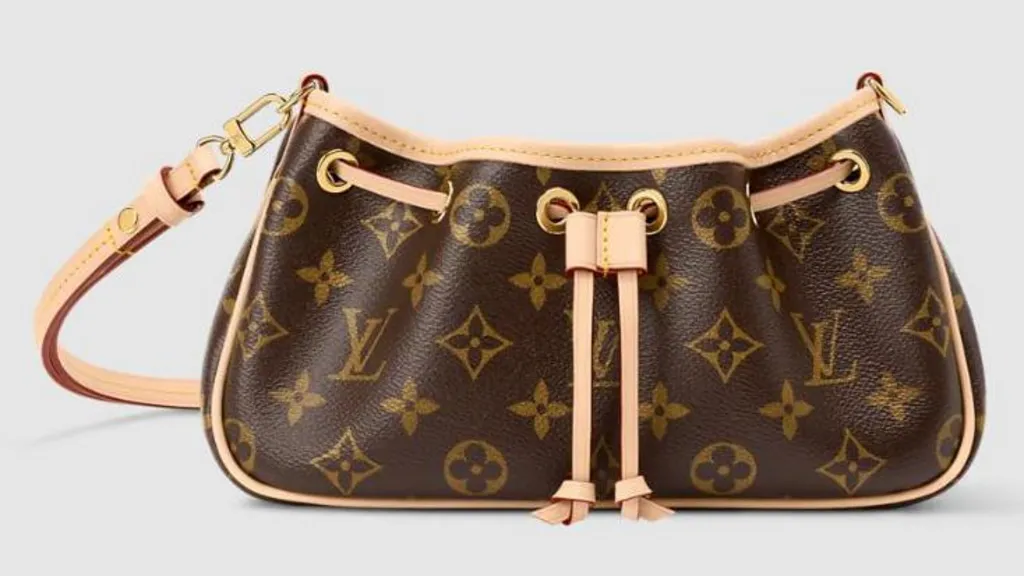
According to Chinese media reports, Molly Tea’s four-petal flower design was found to infringe Louis Vuitton’s registered trademark. The tea company and affiliated firms had also reportedly made several unsuccessful attempts to register related trademarks.
From an intellectual property perspective, the case appears to reinforce a basic principle of brand building: if a distinctive mark is registered and protected, competitors cannot simply move close enough to benefit from its recognition.
Yet consumers do not always see brands through the language of trademark law.
Many Chinese social media users have argued that four-petal floral motifs existed long before modern luxury houses began turning them into commercial assets.
One commenter reportedly pledged to drink Molly Tea every day in support of the company, arguing that ancient cultural symbols should not effectively belong to whoever filed the paperwork first.
Others pushed back.
A registered trademark, they argued, is a registered trademark. Cultural history does not give modern companies the right to imitate protected commercial identities.
And there lies the real story. This is no longer just about similarity. It is about legitimacy.
The law protects trademarks. Consumers protect meaning
For decades, global brands built power by creating symbols so recognisable that they transcended products. A swoosh. Three stripes. A bitten apple. A monogram.
The stronger the symbol, the more valuable the intellectual property. But the Molly Tea case exposes a new vulnerability for global brands operating in culturally assertive markets.
Consumers are increasingly asking where symbols came from before they became trademarks. That question can be uncomfortable.
A brand may possess the legal rights to a design while finding itself challenged over the cultural story surrounding it.
The distinction matters because law and legitimacy are not the same currency.
Courts determine ownership. Consumers determine meaning. And in the age of social media, meaning can move much faster than a legal judgement.
The US$1.5 million problem
The size of the damages has also helped transform the dispute.
Had Molly Tea quietly changed its logo after receiving a legal warning, the story might have remained an industry footnote.
Instead, a US$1.5 million judgement has created the ingredients for a David-and-Goliath narrative: a Chinese tea chain on one side and one of the world’s most powerful luxury houses on the other.
Whether that framing is fair is almost irrelevant. It is emotionally effective.
The moment consumers begin to see a dispute as local versus global, ordinary versus elite or cultural heritage versus corporate ownership, the legal facts have to compete with a much more powerful force.
Identity. That is why the backlash matters.
Some consumers are no longer discussing whether Molly Tea infringed a trademark. They are discussing whether a Western luxury brand should be able to claim exclusive commercial rights over a shape they believe belongs to a much longer cultural history.
The conversation has moved beyond the courtroom. And once that happens, brands lose control of the frame.
The danger of winning too cleanly
Louis Vuitton is entitled to defend its intellectual property. In fact, failing to protect a trademark can weaken the very distinctiveness on which a luxury brand depends.
But there is a communications lesson here for every global brand. Legal victory does not automatically produce reputational victory.
The more powerful the company, the more carefully enforcement must be communicated. Consumers rarely sympathise with corporate legal departments. They sympathise with stories.
If one side tells a story about protecting creativity and the other becomes a symbol of cultural pride, the emotional contest can quickly become disconnected from the legal one.
Molly Tea may have lost its logo.
It may also have gained something far harder to buy: attention, sympathy and a new layer of emotional meaning among some consumers.
A court can order a company to remove a symbol. It cannot order consumers to stop rallying around it.
That may be the most important lesson from this case. In modern marketing, owning the trademark is only half the battle. The harder question is who owns the story.