For marketers, few things are more dangerous than getting culture wrong. For Starbucks Korea, the cost of misreading history has become painfully clear.
In an extraordinary move that signals both contrition and crisis management, Starbucks Korea will shut all its stores nationwide for half a day next week so employees can attend a history lesson after a promotional campaign sparked outrage for appearing to trivialise one of South Korea’s darkest chapters.
The backlash has already claimed one casualty: the chief executive.
But the bigger story is not merely about a tumbler campaign gone wrong. It is about what happens when marketing stumbles into the emotional minefield of collective memory.
In today’s hyperconnected world, consumers are increasingly unforgiving.
A Tumbler, A Slogan And A National Wound
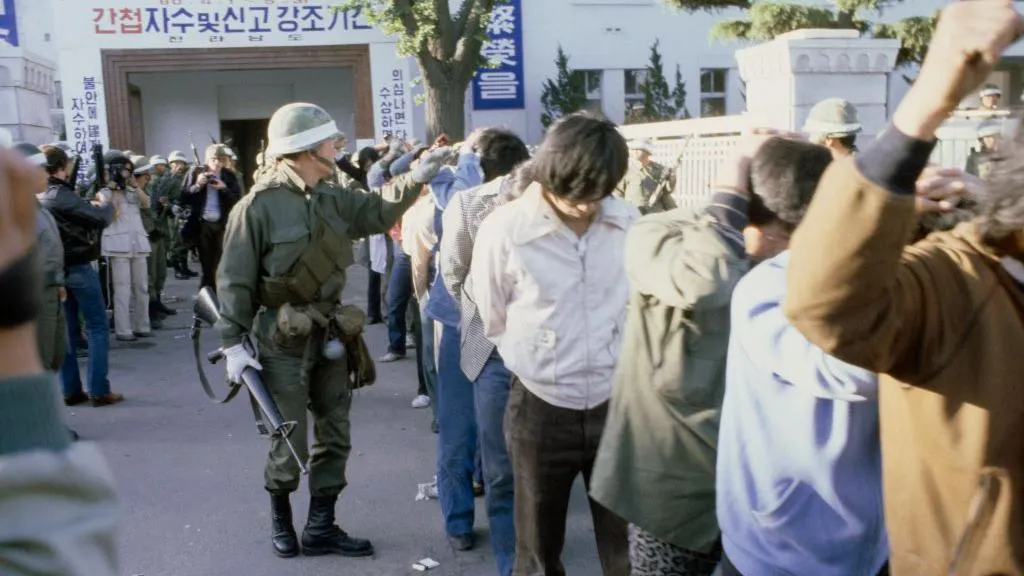
The controversy erupted after Starbucks Korea launched a promotion for its “Tank Series” tumblers around 18 May, the anniversary of the 1980 Gwangju Uprising.
For South Koreans, Gwangju is not just history. It is trauma.
The uprising saw pro-democracy demonstrators brutally suppressed by military forces under dictator Chun Doo-hwan, leaving at least 165 civilians dead, although many believe the real death toll was significantly higher.
Later investigations revealed allegations of torture, sexual violence and indiscriminate brutality. Against this backdrop, Starbucks’ “Tank Day” promotion struck a deeply painful nerve.
What may have been intended as a playful nod to oversized drinkware quickly became interpreted as an insensitive echo of military violence associated with the crackdown.
Then came a second controversy.
Promotional material reportedly used the phrase “tak on the table!” in Korean — a sound effect meant to mimic slapping an object onto a surface.
Yet for many South Koreans, the word “tak” carries deeply political associations, linked to the death of a student activist in police custody during the country’s democracy movement in 1987.
Suddenly, what appeared to marketers as harmless creative language looked to consumers like historical carelessness.
Or worse, ignorance.
The Cost Of Getting Culture Wrong
The fallout was swift and severe.
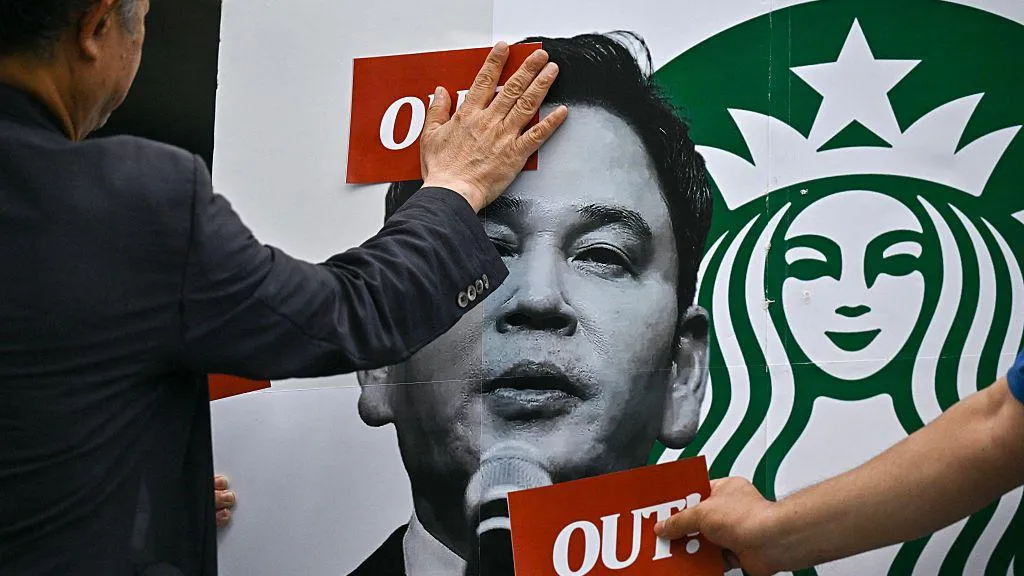
Public anger exploded online. Protests were staged outside Starbucks outlets. Calls for boycotts spread. Reports suggested a noticeable decline in sales.
Even South Korea’s President, Lee Jae Myung, publicly condemned the campaign, describing it as “inhumane and disgraceful conduct.”
In response, Shinsegae Group, Starbucks’ local operating partner, moved quickly to contain the reputational damage.
The company fired Starbucks Korea’s chief executive on the day the scandal broke.
Chairman Chung Yong-jin also stepped into the spotlight, pledging to personally attend the history lessons alongside employees.
For the first time since Starbucks entered South Korea in 1999, all outlets nationwide will close early from 3pm next Wednesday for mandatory education on historical awareness and social sensitivity.
The symbolism is powerful. This is not merely employee training. It is institutional repentance.
When AI Becomes The Fall Guy
Adding another layer to the controversy is Shinsegae’s revelation that marketers had used an AI tool to help generate campaign slogans.
Predictably, this triggered debate over whether artificial intelligence should shoulder some of the blame. But marketers would do well to resist that temptation. AI may generate options. Humans still make decisions.
No algorithm approved the campaign. No machine signed off the timing. No chatbot decided to launch “Tank Day” on one of the most emotionally charged anniversaries in South Korean history.
This was ultimately a failure of judgement. A warning for an industry increasingly leaning on generative AI for speed and efficiency.
AI can surface ideas. It cannot instinctively understand grief, generational trauma or national symbolism. That still requires human wisdom.
Marketing In The Age Of Historical Sensitivity
The Starbucks saga offers an uncomfortable truth for brands operating in emotionally complex societies: cultural fluency is no longer optional.
Consumers today expect brands to understand context, especially in markets where history remains politically and emotionally alive.
This is particularly relevant across Asia, where memories of political unrest, racial tensions, military rule and national tragedy continue to shape public consciousness.
What seems like harmless creative wordplay inside a boardroom can quickly become offensive outside it.
In many ways, Starbucks Korea’s mistake mirrors a broader challenge confronting global marketers: how to localise campaigns without losing cultural sensitivity.
The bigger and more global the brand, the higher the stakes.
One misplaced phrase. One poorly timed campaign. One overlooked historical reference. That is sometimes all it takes.
Beyond Apology
To Starbucks Korea’s credit, the response has been unusually substantive. Most corporate apologies end with a press statement and a promise to “do better.”
This time, the company is closing stores, retraining staff and publicly acknowledging a failure of social awareness. Whether consumers forgive them remains uncertain.
But the incident may already be serving a larger purpose — reminding marketers everywhere that branding does not happen in a vacuum.
Every campaign enters a cultural landscape already crowded with memory, pain, identity and politics.
Sometimes, history walks into the room uninvited. When it does, even a coffee cup can become a national controversy.