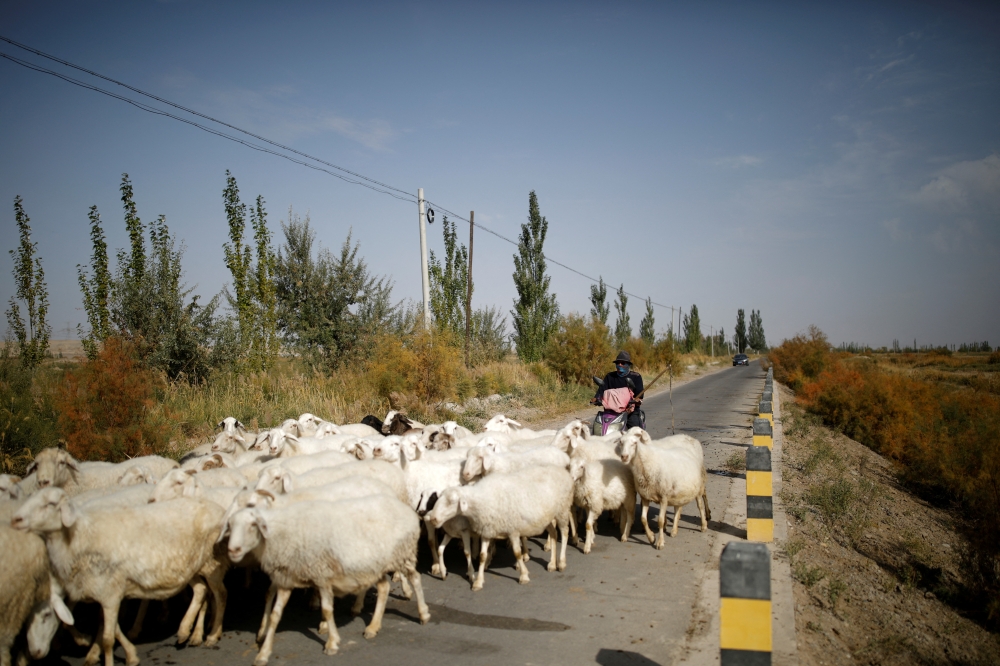
A viral shepherd recruitment ad in China has unexpectedly exposed a deeper crisis simmering beneath Asia’s modern workforce: burnout, job anxiety and a growing desire to simply walk away.
By the time Chinese farm owner Zuo Xiaoyong posted an advertisement for two shepherds to look after 3,000 sheep in the rugged grasslands near Mongolia, he probably expected a few practical applicants.
What he got instead was a social media storm.
Within hours, the ad had attracted 59 million views on Weibo, generated over 21,000 discussion threads and pulled in more than 700 applicants.
Not just farmers or rural workers. White-collar executives from Shanghai. Factory workers. University graduates. Even burnt-out e-commerce employees looking for an exit route from city life.
On the surface, it sounds absurd.
Why would someone voluntarily trade city comforts for brutal winters, isolation and long days tending sheep in temperatures that plunge below minus 30°C? But beneath the headlines lies something far more unsettling.
People were not applying because shepherding suddenly became glamorous. They were applying because urban work has stopped feeling worth it.
The Great Escape Fantasy
For marketers, HR leaders and business owners, the story lands like an uncomfortable mirror. The viral shepherd ad exposes something quietly brewing across Asia’s workplaces: exhaustion.
For years, China’s infamous “996” work culture — working 9am to 9pm, six days a week — has become shorthand for relentless corporate pressure. But increasingly, the issue is no longer uniquely Chinese. Across major cities from Kuala Lumpur to Singapore, Jakarta and Bangkok, conversations around burnout are becoming impossible to ignore.
Young professionals are asking difficult questions.
Is the promotion worth the anxiety? Is the salary worth losing weekends? Is city life worth spending half your income on rent, traffic and emotional fatigue?
One 28-year-old e-commerce worker quoted in the report earns a respectable 10,000 yuan monthly but still found herself drawn to the shepherd role.
Her reason was startlingly simple.
“I want to escape city life and stop dealing with difficult people.” That line alone feels like a warning signal for brands.
Because when employees start fantasising about isolation over office politics, organisations may have a culture problem.
The Salary Illusion
Ironically, the shepherding job paid relatively well.
Around 8,000 yuan per month, plus accommodation and groceries, higher than the average urban private sector salary in China.
Yet the appeal was not merely financial. It was emotional. For many applicants, the job symbolised something increasingly rare: simplicity.
No toxic Slack channels. No passive-aggressive meetings. No office politics. No endless KPI dashboards. Just sheep.
It says something profound about the state of work when staring at livestock suddenly feels healthier than staring at spreadsheets. And this matters to marketers more than many realise.
Because disengaged employees create disengaged customer experiences. No brand campaign, however polished, can outperform a demoralised workforce indefinitely.
A brand promise is ultimately delivered by tired human beings. If those humans are emotionally checking out, customers notice.
The New Employer Branding Problem
For years, companies obsessed over perks.
Free coffee. Ping pong tables. Meditation rooms. Casual Fridays. But the shepherd story suggests modern workers are craving something deeper.
Psychological peace. Meaningful work. Predictable boundaries. A sense that life exists beyond employment.
In Malaysia, we are beginning to see echoes of this shift too. Quiet quitting. Career pivots. Professionals walking away from high-pressure industries.
The growing appeal of freelancing, entrepreneurship and slower lifestyles outside Kuala Lumpur’s relentless grind.
Increasingly, younger employees are not asking, “How prestigious is the company?” They are asking, “Will this job destroy my sanity?” That is a very different employer branding challenge.
The Curse of 35
Then there is another uncomfortable truth buried in the shepherd saga. Age anxiety.
The report references China’s growing “curse of 35”, where professionals fear becoming unemployable once they cross a certain age threshold. Applicants in their late twenties and thirties increasingly feel squeezed between younger, cheaper talent and relentless workplace expectations.
Across Asia, experienced workers are quietly battling relevance anxiety. AI disruption is accelerating. Jobs are changing faster than skills can evolve.
Many professionals are wondering if they are one restructuring exercise away from irrelevance. Little wonder then that a shepherd’s life, however lonely, suddenly looks strangely stable.
A Marketing Lesson Hidden in a Sheep Farm
Perhaps the strangest part of the story is how deeply human it feels. The shepherd ad did not go viral because of sheep.
It went viral because people saw themselves in it. Their fatigue. Their frustrations. Their longing for a quieter existence.
For brands, there is a lesson hiding in those Mongolian grasslands. Consumers are exhausted. Employees are exhausted.
And in a world drowning in hustle culture, the brands most likely to resonate may not be the loudest or flashiest.
They may simply be the ones that understand human weariness. The ones that offer calm instead of chaos. Trust instead of pressure. Empathy instead of performance theatre.
Because when a freezing pasture full of sheep starts looking more attractive than corporate life, perhaps the problem is not the shepherding job. Perhaps it is the world we built around work.
Share Post:

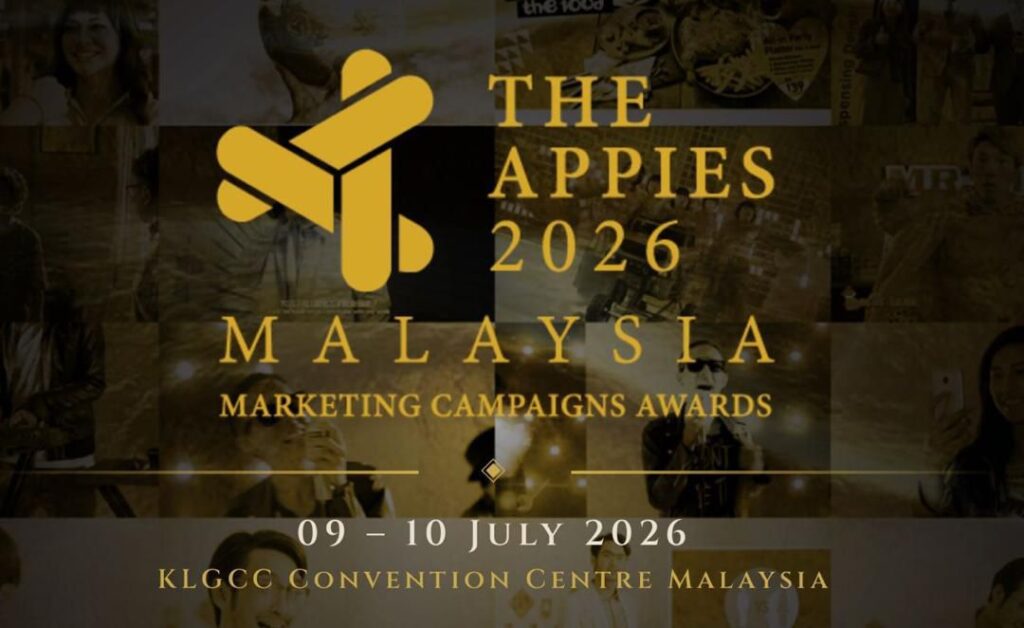
The APPIES is where Malaysia’s boldest campaigns, brightest ideas, and most impactful storytellers take the stage.
More than an awards show, it is the industry’s ultimate platform for creative, media, digital and marketing excellence, where live presentations meet live judging.
This is your chance to showcase work that moved audiences, shaped conversations, and delivered real results.
From breakthrough brand campaigns to innovative digital experiences, the APPIES celebrates the work that defines the future of marketing.
Step into the spotlight alongside the industry’s leading agencies, brands, creatives, strategists and changemakers.
Whether you are aiming for Gold, Silver, Bronze or the prestigious Best of the Best recognition, this is your moment to make history.
Your campaign deserves to be seen.
Your ideas deserve the stage.
Your work deserves the legacy.
KEY DATES
Haven’t subscribed to our Telegram channel yet? Don’t miss out on the hottest updates in marketing & advertising!