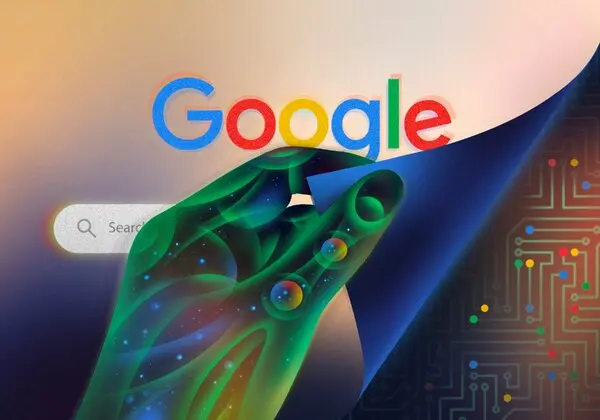
For more than two decades, Google Search felt reassuringly simple.
You typed something in. Google returned a page of links. Brands fought for rankings. Agencies obsessed over keywords. Publishers chased traffic. Somewhere along the way, an entire digital economy grew around one ambition: appearing on Page One.
That familiar world may now be quietly disappearing.
At its annual I/O developer conference this week, Google unveiled what it called the biggest transformation of Search in more than 25 years. On the surface, it looked like another AI-heavy tech showcase.
Beneath it sat something far bigger. Google is no longer building a search engine. It is building an answer engine. And marketers should be paying attention.
Because Google is no longer merely helping people search. It is beginning to think, anticipate and increasingly act on their behalf.
The End of Keyword Thinking
Remember when searching meant speaking like a robot?
A hungry Malaysian looking for nasi lemak in Petaling Jaya might type: best nasi lemak pj open now. We adapted to machines because machines demanded precision. Google now wants to reverse that relationship.
Its redesigned Search experience allows users to ask longer, messier, deeply human questions. Someone planning a holiday can mix screenshots, videos, hotel options and follow-up questions into one flowing conversation.
The system remembers context. Recommendations evolve naturally. The search bar is becoming less like a librarian and more like an exceptionally clever concierge.
That may sound like a subtle shift. It is not. When technology changes behaviour, industries follow.
Consumers stop hunting for links and start expecting answers. They no longer want options. They want decisions. And that raises an uncomfortable question for brands:
What happens when consumers stop visiting websites altogether?
The Great Vanishing Click
For years, marketers treated traffic like oxygen. Clicks meant persuasion. Retargeting. Conversion. Sales.
But Google’s AI-powered Search increasingly delivers answers inside its own ecosystem. Consumers ask questions and receive instant recommendations without clicking through websites at all.
Google says its AI Mode has already crossed one billion monthly users globally, with engagement growing rapidly. That figure alone should make marketers sit up.
Because if discovery increasingly happens inside AI-generated answers, the logic of traditional SEO starts to wobble.
In Malaysia, many SMEs still equate digital transformation with posting on Facebook and boosting ads. Yet the internet is already changing beneath their feet.
Tomorrow’s visibility may no longer be about ranking highly on Google. It may be about being selected by Google.
Welcome to the Age of Invisible Marketing
Quietly, a new phrase is beginning to circulate among digital strategists: Answer Engine Optimisation (AEO). The question is no longer simply: How do I rank first?
It is becoming: Will AI trust my brand enough to recommend it? That changes everything. Imagine a family asking Google:
Find me the safest SUV under RM180,000 with low maintenance costs and strong resale value. The answer may arrive instantly. Three recommendations. A comparison table. Financing suggestions.
But some brands may never even enter the conversation. Not because they lack quality. Because they failed to teach machines how to understand them.
Google Wants to Work While You Sleep
Perhaps the most startling reveal at I/O was autonomy. Google showcased intelligent agents capable of monitoring the internet on behalf of users.
Looking for an apartment in Mont Kiara? Google keeps checking listings. Trying to secure a restaurant booking? It keeps watching.
Hunting for sold-out concert tickets? The search continues long after you close your laptop. For consumers, it feels magical. For marketers, it changes the battleground.
Winning attention is no longer just about appearing in search. It is about being selected by an AI acting for someone else.
The Most Human Twist of All
There is something oddly poetic about this moment.
For years, humans learned to think like machines, reducing thoughts into awkward keywords and fragments. Now, machines are learning to think more like humans.
Google’s push toward personal intelligence, connecting Gmail, Photos and eventually Calendar into Search, signals something bigger: search becoming contextual, personal and predictive.
Convenient? Certainly. A little unsettling? Also yes.
But marketers do not have the luxury of nostalgia. The internet they mastered is quietly changing in plain sight.
And brands still optimising for yesterday’s search habits may soon discover something sobering: Consumers have not stopped searching. They have simply stopped searching the old way.
Share Post:

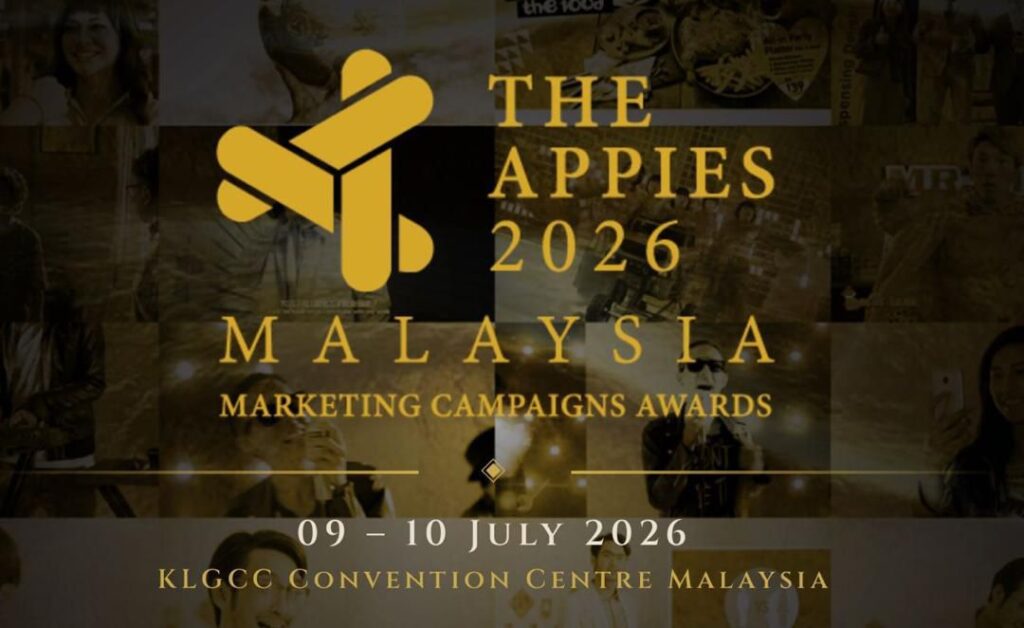
The APPIES is where Malaysia’s boldest campaigns, brightest ideas, and most impactful storytellers take the stage.
More than an awards show, it is the industry’s ultimate platform for creative, media, digital and marketing excellence, where live presentations meet live judging.
This is your chance to showcase work that moved audiences, shaped conversations, and delivered real results.
From breakthrough brand campaigns to innovative digital experiences, the APPIES celebrates the work that defines the future of marketing.
Step into the spotlight alongside the industry’s leading agencies, brands, creatives, strategists and changemakers.
Whether you are aiming for Gold, Silver, Bronze or the prestigious Best of the Best recognition, this is your moment to make history.
Your campaign deserves to be seen.
Your ideas deserve the stage.
Your work deserves the legacy.
KEY DATES
Haven’t subscribed to our Telegram channel yet? Don’t miss out on the hottest updates in marketing & advertising!