For years, luxury brands sold aspiration. Now, increasingly, they are selling participation.
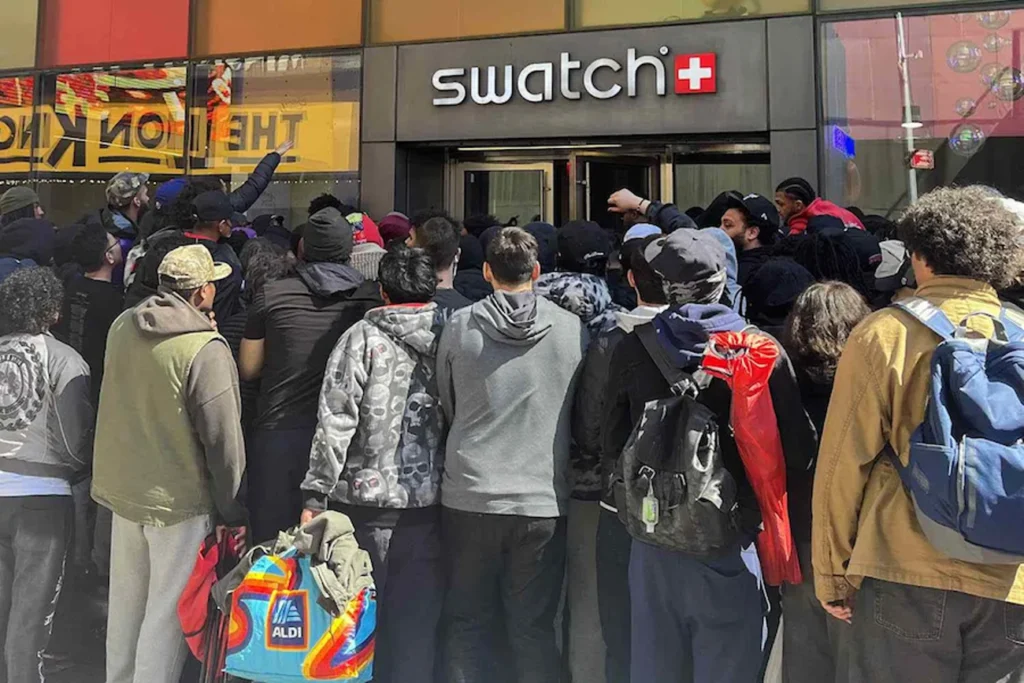
When consumers queued outside Swatch stores in Hong Kong for days and snapped up the new Swatch x Audemars Piguet Royal Pop pocket watch within hours in markets like Singapore, this was never really about telling the time. It was about telling the world something about yourself.
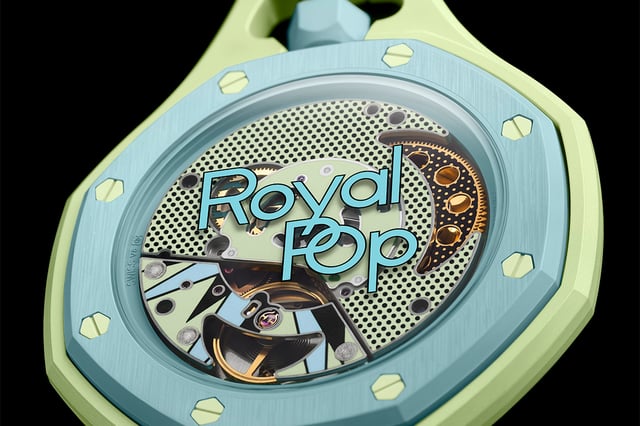
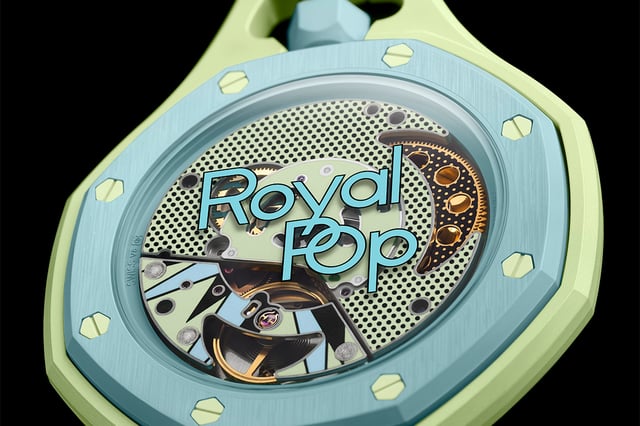
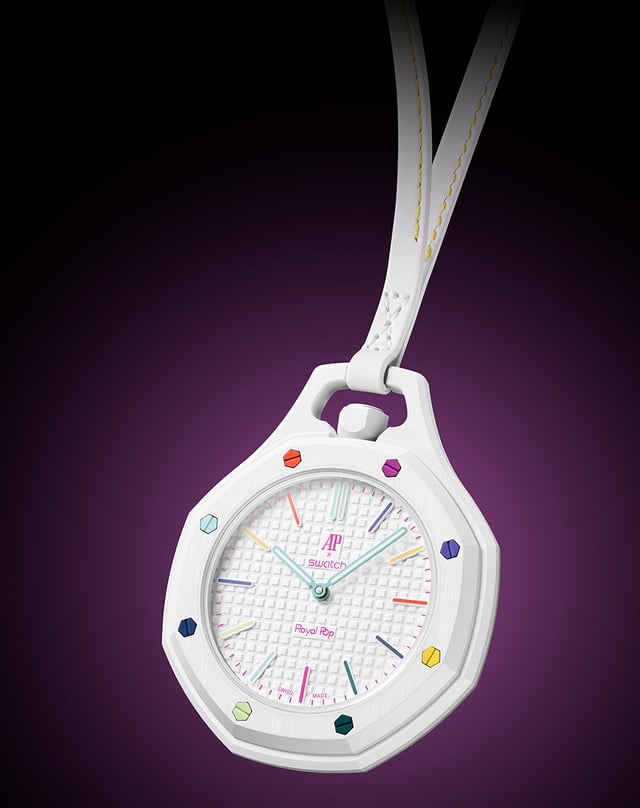
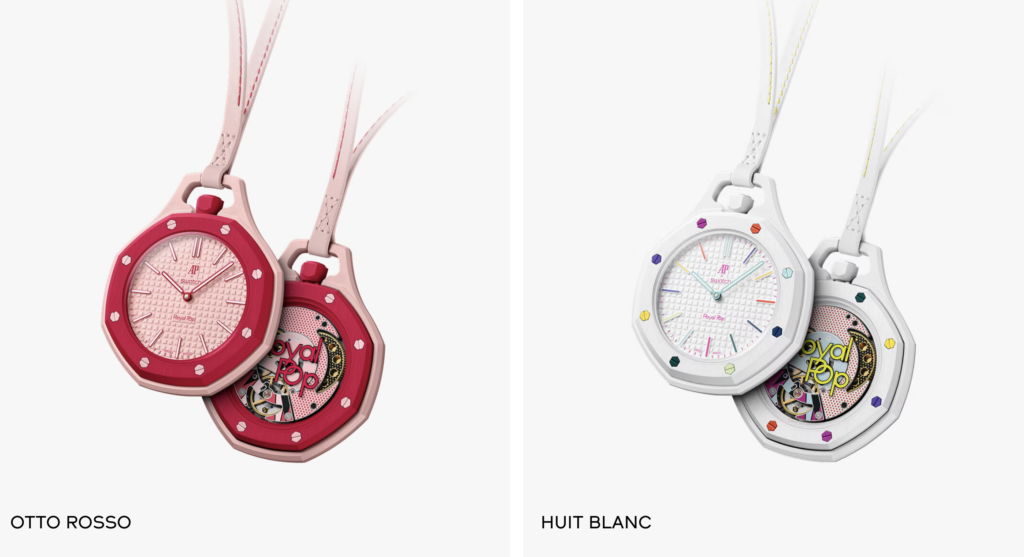
The Royal Pop, a colourful pocket-watch inspired collaboration between Swiss watch giant Swatch and haute horology royalty Audemars Piguet, arrived with a surprisingly modest price tag of around US$400. In luxury terms, that is entry-level. In cultural terms, however, it may prove priceless.
Almost immediately, marketers began comparing it to the phenomenon that turned fuzzy toy creature Labubu into a global status symbol hanging off luxury handbags. And oddly enough, they may be right.
Luxury Is No Longer Worn. It Is Curated.
Once upon a time, luxury sat neatly on a wrist, hung politely from a shoulder, or rested quietly in a glass cabinet. Not anymore.
The Royal Pop was technically launched as a pocket watch, but few buyers appear interested in slipping it into a waistcoat. Instead, it is being clipped onto bags, backpacks and belt loops, worn around the neck, or styled as a fashion accessory. In short, it has become less a watch and more a statement piece.
That shift matters. Because what consumers increasingly buy is not ownership. It is visibility.
Luxury today wants to be seen, personalised and displayed. Bags have become mood boards. Accessories have become storytelling devices. What once looked excessive now signals personality.
A dangling charm on a handbag says something. A customised Stanley cup says something. A Royal Pop clipped onto a Birkin says something else entirely.
You are not simply wealthy. You are culturally fluent.
The Rise of the “Identity Purchase”
What marketers may be witnessing is the evolution of luxury from status symbol to identity shorthand.
Research cited in the Royal Pop discussion suggests younger consumers, especially Gen Z, increasingly treat luxury less as a badge of success and more as a tool of self-expression. Millennials often bought prestige to signal arrival. Gen Z, by contrast, buys to curate identity.
That distinction is profound.
It explains why a pocket watch on a lanyard can suddenly feel more relevant to younger buyers than a traditional wristwatch costing twenty times more.
As one industry observer noted, Swatch and Audemars Piguet may not have created a watch at all. They may have created “the next Labubu” — a collectible object sitting at the intersection of fashion, street culture and social signalling.
Seen this way, the Royal Pop is not really competing with Rolex. It is competing for attention.
From Scarcity to Social Currency
There is another lesson here for marketers. The Royal Pop launch borrowed heavily from the mechanics of drop culture.
Teasers appeared weeks in advance. Mystery built online. Queues formed physically. Social media amplified scarcity.
Resale markets surged almost instantly. In some markets, prices reportedly multiplied several times above retail. Even criticism became fuel.
Luxury collectors complained of brand dilution. Social sentiment dipped. Yet demand remained feverishly strong. Negative commentary did not kill momentum. If anything, it amplified curiosity.
For marketers, there is a familiar truth here. People increasingly want products that feel culturally alive. Not just something to buy.
Something to chase. Something to photograph. Something to talk about.
Labubu understood this. Stanley tumblers understood this. Even beauty brands have learnt that collectability can sometimes outperform utility. The experience becomes part of the product.
What Malaysian Brands Should Be Watching
The temptation for local marketers will be to dismiss all this as luxury nonsense unfolding in fashion capitals.
That would be a mistake. Because beneath the queues and hype sits a bigger behavioural shift already visible in Malaysia.
Consumers are increasingly curating identity through objects. Limited-edition sneakers, collectible F&B merchandise, blind boxes, fandom collaborations and personalised accessories are all signals of the same instinct.
People no longer simply consume. They assemble versions of themselves.
For brands, the challenge is not asking, “How do we sell more products?”
It may increasingly become: “How do we create something people want to wear, display or emotionally adopt into their lives?”
That is a very different brief. And perhaps that is why the biggest surprise about the Royal Pop is not that a pocket watch sold out.
It is that, in 2026, a luxury watch suddenly understood something the marketing world has been quietly circling for years:
People do not just want objects anymore. They want stories they can clip onto themselves.