By Kunal Sinha
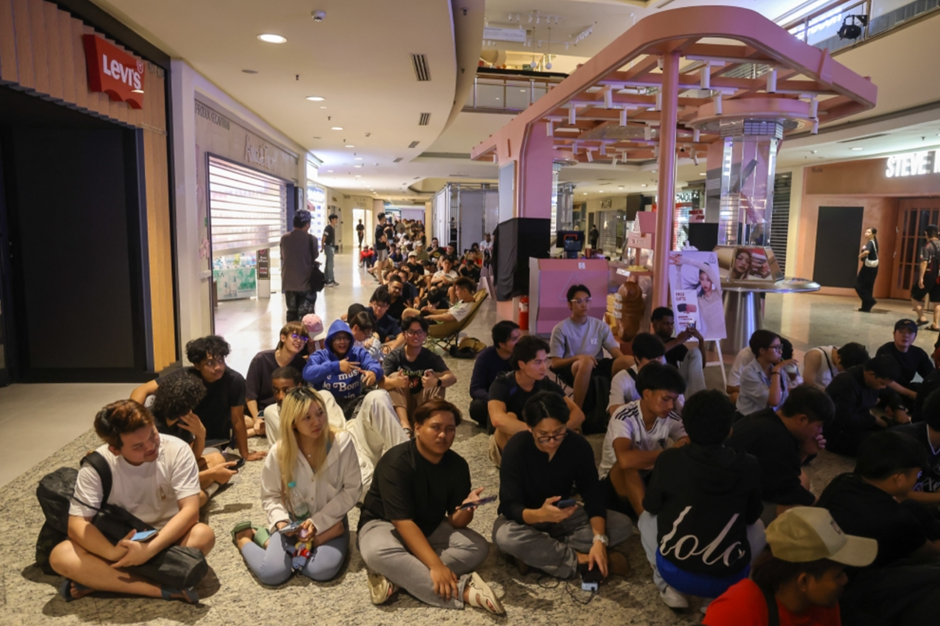
The queue outside the Swatch boutique at Mid Valley Megamall in Kuala Lumpur began forming long before sunrise. By midnight, folding stools had appeared. By 3 a.m., WhatsApp groups were already tracking queue positions. By morning, frustration had begun to outweigh excitement.
What was intended to be one of the year’s most talked-about luxury collaborations, the launch of the Bioceramic Royal Pop Collection, a collaboration between Swatch and Audermars Piguet had evolved into something closer to a case study in modern hype economics.
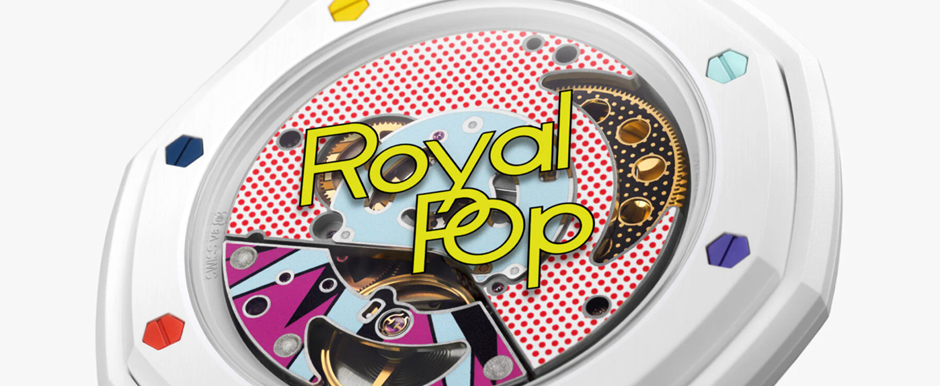
The collection itself was carefully engineered to trigger desire. Swatch merged the angular codes of Audemars Piguet’s iconic Royal Oak with the playful aesthetic of Swatch’s 1980s Pop line, producing eight collectible pocket watches driven by a new hand-wound variation of the SISTEM51 movement.
The watches were available in two styles – Lépine and Savonnette – and carried all the visual cues required for virality: recognisable luxury references, playful nostalgia, and artificial scarcity.
The watches were never going to remain merely watches.
Within hours of the launch announcement, social media channels devoted to sneaker culture, luxury watches, and speculative reselling had amplified the drop into a global event. In many cities, the crowds resembled those associated with limited-edition streetwear releases more than traditional horology launches.
In Kuala Lumpur, hundreds queued overnight at Mid Valley and Bukit Bintang. Reports quickly emerged that professional “runners” were charging up to RM50 simply to hold places in line.
Genuine enthusiasts who arrived in the morning found themselves effectively shut out before the doors even opened. Tempers frayed as some customers realised entire sections of the queue consisted of placeholders working on behalf of resellers. Unofficial queue numbers were handed out.

The frenzy was repeated internationally. In France, police reportedly used tear gas to disperse crowds outside a Swatch store near Paris after hundreds gathered overnight. In Singapore, local reports described pushing and scuffles severe enough to leave one customer with a broken arm.
For a brand collaboration rooted in playful accessibility, the optics became unusually aggressive.
The online reaction reflected a broader fatigue with hype culture. Many consumers expressed disbelief that a Swatch collaboration could provoke behaviour once associated primarily with ultra-limited sneaker drops or hard-to-access Rolex sports models.
One user on social media wrote: “I used to love Swatch in the 80s. It felt fun and creative. Seeing people pushing each other over a watch feels surreal.”
Others focused on the speculative frenzy surrounding the launch. Before the watches had even reached customers’ wrists, listings had already appeared on resale platforms such as Chrono24 for as much as US$8,000. Known resellers were openly advertising inventory before official sales had concluded.
The implied markup, as much as fourteen to seventeen times retail price, pushed the collaboration into territory usually occupied by rare luxury sports watches or highly restricted sneaker collaborations.
This is where the launch became culturally revealing.
The queue outside a Swatch store today no longer consists solely of collectors or enthusiasts. It contains three distinct groups operating simultaneously.
The first are genuine fans of watches and design – consumers drawn to the collision of Swatch’s democratic identity and Audemars Piguet’s luxury cachet. Some planned to wear the pieces as pendants or fashion accessories. Others were fascinated by the historical references embedded in the design.
The second group consists of professional resellers. For them, the watch is effectively a financial instrument. Queue positions are calculated against expected resale premiums. Telegram groups and Discord channels track inventory movements in real time. Multiple individuals may be deployed to different cities to maximise acquisition opportunities.
The third group is perhaps the most interesting: opportunistic participants with no deep connection to watches at all. Students, gig workers, and queue-holders entered the ecosystem because the arbitrage opportunity had become visible enough to feel accessible.
The primary market had effectively become a staging ground for the secondary market.
Luxury brands have long understood the power of scarcity. Houses such as Rolex and Audemars Piguet have spent decades carefully controlling production volumes and distribution to sustain exclusivity and demand. Waiting lists are central to the psychology of luxury watchmaking.
Swatch operates very differently. It was historically positioned as playful, abundant, and accessible. Yet with collaborations such as MoonSwatch and now the AP partnership, it has adopted elements of the luxury scarcity playbook while retaining mass-market visibility and price accessibility.
That combination creates unusual volatility.
A traditional luxury release is constrained naturally by high pricing and limited audience reach. A Swatch collaboration attracts a vastly broader demographic while still leveraging the same scarcity mechanics. The result is a collision between luxury aspiration and mass-market hype dynamics.
Social media intensifies this further. Ownership today carries performative value. A limited-edition watch functions simultaneously as an accessory, social signal, speculative asset, and content opportunity. The queue itself becomes part of the spectacle.
For Swatch and Audemars Piguet, the launch undoubtedly succeeded in one sense: visibility. Images of crowds, overnight lines, and resale premiums reinforced the desirability of the collaboration globally. Scarcity remains one of the most powerful marketing tools in luxury.
The backlash suggests the brands may have underestimated how quickly hype culture can overwhelm brand narrative.
The challenge is especially delicate for Audemars Piguet. The brand occupies a rarefied space within high horology, built on craftsmanship, heritage, and controlled exclusivity. Association with chaotic queue scenes risks shifting attention away from design and toward speculation.
Swatch faces a different challenge. Its identity has historically been rooted in accessibility, joy, and democratic design. When loyal customers feel crowded out by professional resellers, the emotional relationship with the brand changes.
There were several ways the launch could have been handled more effectively.
A lottery or ballot-based allocation system would have reduced the incentive for overnight queues and professional placeholders. Verified customer registration could have limited bulk acquisition by organised resellers. Staggered release timings across cities might have prevented crowd surges at flagship locations.
The brands could also have communicated production intentions more clearly. Artificial opacity around supply volumes intensified speculative behaviour. Even modest reassurances regarding future restocks may have dampened the frenzy.
Finally, Swatch and Audemars Piguet may need to reconsider whether theatrical scarcity always strengthens brand equity in the long term. Hype generates attention quickly, but frustration travels equally fast.
The collaboration succeeded in turning a pocket watch into a global cultural event. Whether it strengthened long-term affection for the brands involved is a more complicated question.
Kunal Sinha is Chief Knowledge Officer at Ampersand Advisory. He is the author of several books on consumers, culture and creativity, mentors executives on adapting to a world in constant flux and was recently listed as a Campaign 50 over 50 honoree.