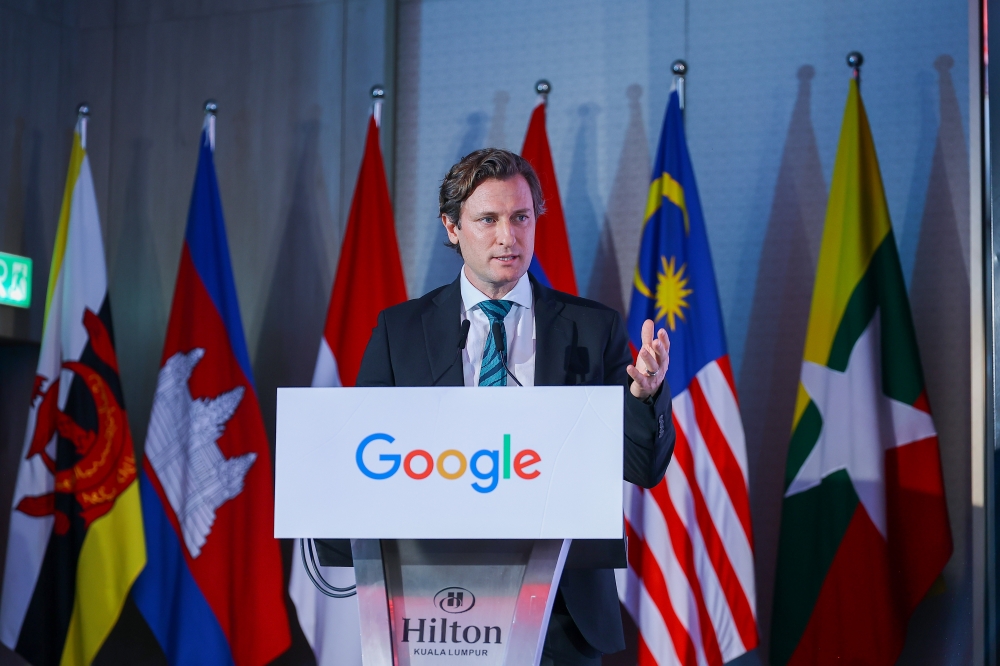
For years, marketers have obsessed over one word: trust. Now scammers are weaponising it.
In Malaysia, fake Google alerts, sponsored scam ads and cloned login pages are becoming so convincing that even digitally savvy consumers are getting caught off guard.
The familiar icons, colours and warning messages people once trusted are now being repurposed into psychological traps.
That may be the real story behind the latest warning from Google Malaysia country managing director Ben King. This is no longer merely a cybersecurity issue. It is rapidly becoming a brand authenticity crisis.
According to the report, scammers are increasingly mimicking Google security alerts, banking notifications and even paid search advertisements to steal passwords, banking credentials and one-time passwords from unsuspecting users.
What makes the threat more unsettling is how ordinary it looks.
A message saying “Suspicious sign-in detected.”
A warning claiming your storage is full.
A sponsored search result sitting neatly at the top of a Google page.
Nothing about these interactions immediately screams danger anymore. That changes the equation for marketers, platforms and brands alike.
The Era of Borrowed Credibility
Scammers used to rely on obvious deception. Broken English. Dubious email addresses. Cartoonish promises. Today’s scams are different. They borrow credibility from trusted ecosystems. That is precisely what makes them effective.
King noted that fraudsters are deliberately designing messages and websites to appear familiar and trustworthy. In many cases, the fake experience is visually indistinguishable from the real one.
Consumers are no longer simply evaluating products or services. They are constantly evaluating legitimacy.
For brands, that creates a dangerous ripple effect. Every scam disguised as a bank, retailer, telco or technology platform chips away at public confidence in digital interactions altogether.
Eventually, consumers stop trusting the environment itself. That hesitation matters in an economy increasingly dependent on e-commerce, fintech, digital wallets and app-driven services.
Sponsored Doesn’t Always Mean Safe
Perhaps the most uncomfortable revelation in the report involves fraudulent “Sponsored” advertisements appearing on search engines.
For years, consumers have subconsciously associated top-ranked search results with credibility. In digital behaviour terms, visibility became shorthand for legitimacy.
Scammers understand this better than many marketers do.
By paying for placements impersonating banks, cryptocurrency platforms or global technology brands, cybercriminals are effectively hijacking consumer trust at scale.
This creates an awkward but necessary conversation for the advertising industry.
Digital advertising has long sold itself on precision, efficiency and automation. But the same systems enabling advertisers to target audiences efficiently can also be manipulated by bad actors moving faster than moderation systems can react.
It is a reminder that brand safety today extends beyond ad adjacency and misinformation. It now includes the integrity of the platforms themselves.
Malaysia’s RM2.9 Billion Wake-Up Call
Communications Minister Fahmi Fadzil recently revealed that Malaysians lost approximately RM2.9 billion to online scams.
That number is staggering not merely because of the money involved, but because it reflects something deeper: emotional exhaustion.
Scam culture creates a low-grade national anxiety. People second-guess links. Elderly parents become fearful of online banking. Consumers hesitate before clicking legitimate promotional offers.
In a country pushing aggressively towards digital adoption, this hesitation carries economic consequences.
Ironically, it arrives at a time when brands are investing heavily in frictionless consumer experiences. The problem is that convenience without trust eventually collapses.
The Human Filter Still Matters
Google says it is deploying artificial intelligence tools across products like Chrome, Google Messages and Google Play Protect to identify malicious behaviour.
But even as platforms automate detection, the final line of defence still remains painfully human.
Pause before clicking. Verify the source. Avoid downloading unfamiliar apps. Simple advice, yes. But psychologically difficult in a digital culture engineered for speed.
Consumers today are conditioned to react instantly. Tap now. Buy now. Approve now. Download now. Scammers exploit urgency because modern digital behaviour already rewards impulsiveness.
That may explain why the most effective anti-scam strategy is not technological sophistication but behavioural interruption. A pause. One extra second of doubt. One moment of verification.
The Marketing Industry’s Quiet Responsibility
There is another uncomfortable truth buried underneath all this. The advertising and marketing ecosystem helped train consumers to respond emotionally and instantly to digital prompts.
Push notifications. Countdown timers. Fear-of-missing-out messaging. Urgent call-to-actions. One-click behaviours.
Much of modern digital marketing relies on reducing friction. Scammers simply copied the playbook.
That does not make brands responsible for cybercrime. But it does suggest the industry has a role to play in rebuilding healthier digital habits.
The brands that may ultimately win consumer trust are not necessarily the loudest or fastest. They may be the ones that make people feel safest.
In 2026, safety itself is quietly becoming a brand asset. After all, when consumers start questioning whether even a Google alert is real, trust stops being a marketing metric. It becomes infrastructure.
Share Post:

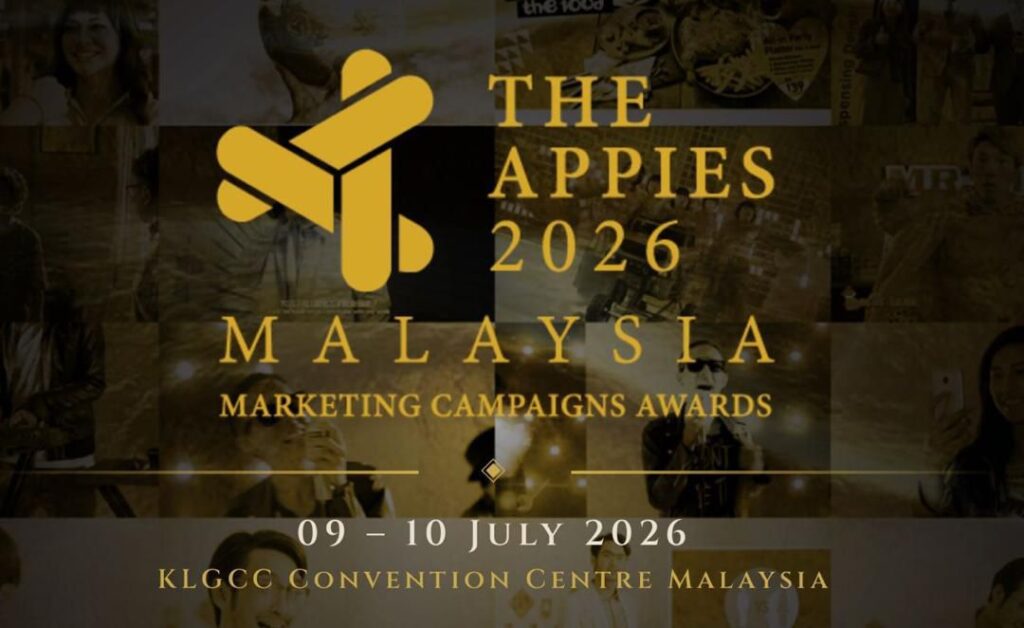
The APPIES is where Malaysia’s boldest campaigns, brightest ideas, and most impactful storytellers take the stage.
More than an awards show, it is the industry’s ultimate platform for creative, media, digital and marketing excellence, where live presentations meet live judging.
This is your chance to showcase work that moved audiences, shaped conversations, and delivered real results.
From breakthrough brand campaigns to innovative digital experiences, the APPIES celebrates the work that defines the future of marketing.
Step into the spotlight alongside the industry’s leading agencies, brands, creatives, strategists and changemakers.
Whether you are aiming for Gold, Silver, Bronze or the prestigious Best of the Best recognition, this is your moment to make history.
Your campaign deserves to be seen.
Your ideas deserve the stage.
Your work deserves the legacy.
KEY DATES
Haven’t subscribed to our Telegram channel yet? Don’t miss out on the hottest updates in marketing & advertising!