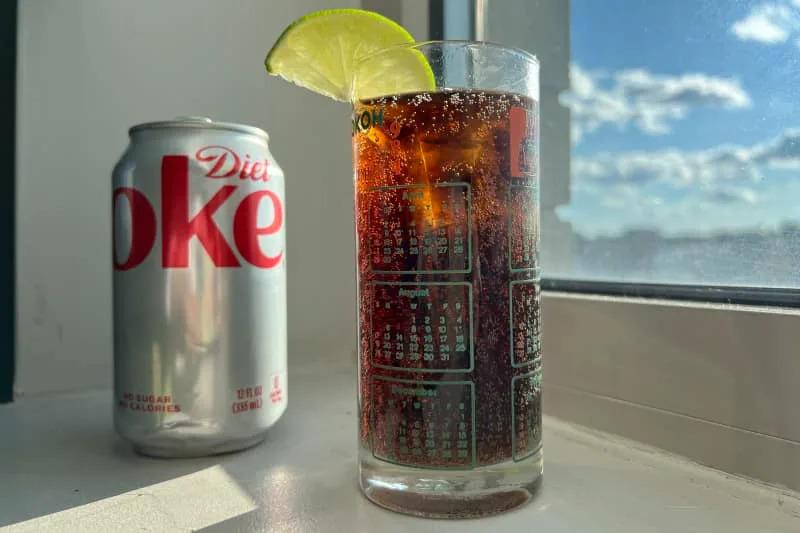
On a warm night in Mumbai, a queue forms outside a bar not for craft cocktails or celebrity DJs, but for something far more ordinary. Or rather, something that has suddenly become hard to find.
Inside, cans of Diet Coke are stacked like rare artefacts. Guests pose with them, customise them, sip them slowly, and—perhaps most importantly—post them.
What should have been a supply chain headache has, in India, turned into a cultural moment. A shortage linked to disruptions from the Iran conflict has made Diet Coke intermittently scarce across parts of the country.
In typical market logic, scarcity drives frustration. In social media logic, it can create desire.
Somewhere between the two, a new phenomenon has emerged: the Diet Coke party. These are not brand-owned activations. They are grassroots, improvised, and slightly tongue-in-cheek.
Entry fees range from US$10 to US$16, which in the Indian context places them firmly in the aspirational nightlife bracket.
Inside, guests are handed what has effectively become a status prop. A chilled can, sometimes rationed, sometimes curated into themed experiences—paired with music, art corners, even T-shirt painting sessions.
The drink itself is almost secondary. What matters is the moment.
Scarcity as Social Signal
There is a long history of products gaining cultural cachet when they become difficult to obtain.
Sneakers, handbags, even concert tickets have followed this script. But a mass-market beverage stepping into that territory is unusual.
The appeal here is layered. For one, Diet Coke has always carried a certain identity—light, urban, a little self-aware. Among younger consumers in India, it doubles as a popular mixer with alcohol, giving it a foothold in nightlife already.
The shortage simply sharpens its edges. Owning a can, or being seen with one, becomes a small but visible marker of access.
n a country where digital expression increasingly defines social standing, that matters. A photo with a scarce item travels faster than any paid campaign.
The Party Is the Platform
What is striking is how quickly organisers have built experiences around a single product constraint. These events are not just about drinking a fizzy beverage. They are about participation.
Guests decorate cans, compete for the most creative designs, and leave with personalised memorabilia. The act of consumption turns into co-creation.
The bar becomes a studio. The product becomes content. From a marketing standpoint, this is the kind of engagement brands spend years trying to engineer.
Here, it is happening organically, driven by circumstance rather than strategy. There is also a subtle shift in how value is perceived. The entry fee is not paying for volume.
It is paying for access, for atmosphere, and for the story one can tell afterwards. In other words, the experience has overtaken the product.
A Quiet Opportunity for The Coca-Cola Company
For Coca-Cola, which has long identified India as a critical growth market, the situation is delicate but promising.
On one hand, supply disruptions are never ideal. On the other, the brand is witnessing a form of cultural amplification that money cannot easily buy.
There are early signs of organisers reaching out for collaborations.
Not formal sponsorships, at least not yet, but conversations around co-creating events, limited-edition packaging, or even sanctioned pop-ups.
Handled well, this could evolve into a new kind of brand playbook. One that leans less on traditional advertising and more on facilitating communities that have already formed.
The risk, of course, is overreach. The charm of these parties lies in their spontaneity. Over-branding them could strip away that authenticity.
The challenge will be to support without suffocating.
Lessons Beyond the Can
There is a broader takeaway here for marketers watching closely.
First, scarcity does not always need to be solved immediately. Sometimes, it needs to be understood. In certain contexts, it can elevate a product’s perceived value far beyond its functional role.
Second, consumers today are remarkably adept at turning products into experiences. Given the right conditions, they will do the storytelling themselves.
And third, the line between product and platform is increasingly thin. A beverage can become a social artefact. A shortage can become a narrative. A simple night out can become a cultural signal.
Back in that Mumbai bar, the music gets louder, the phones keep flashing, and another round of photos goes up online. By morning, the cans will be gone again.
But the idea will linger. Because in a market as dynamic as India, even a missing drink can find a way to show up—just not always in the way brands expect.
Share Post:
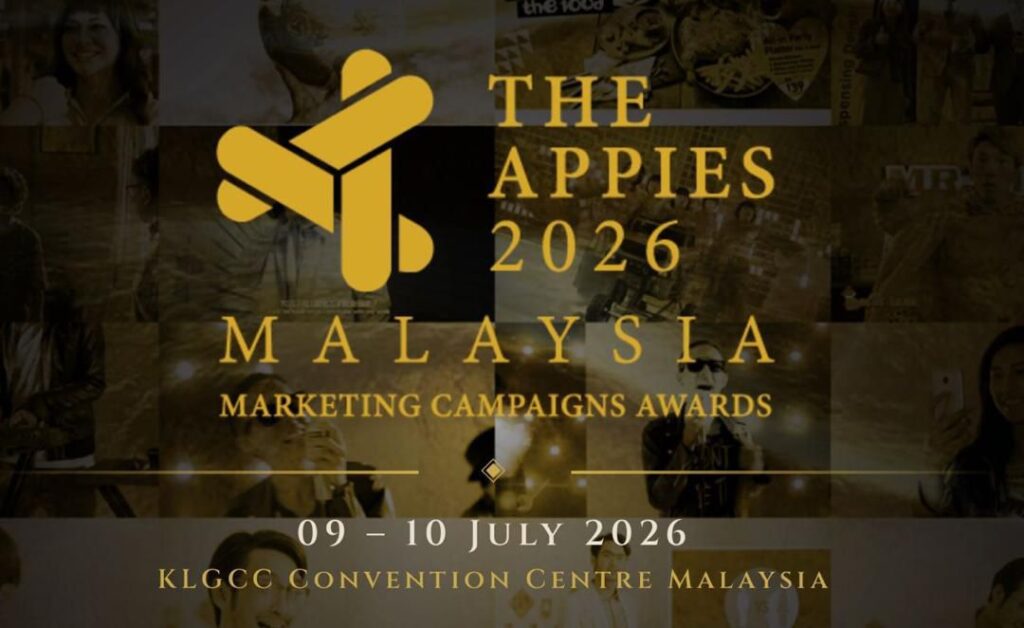
The APPIES is where Malaysia’s boldest campaigns, brightest ideas, and most impactful storytellers take the stage.
More than an awards show, it is the industry’s ultimate platform for creative, media, digital and marketing excellence, where live presentations meet live judging.
This is your chance to showcase work that moved audiences, shaped conversations, and delivered real results.
From breakthrough brand campaigns to innovative digital experiences, the APPIES celebrates the work that defines the future of marketing.
Step into the spotlight alongside the industry’s leading agencies, brands, creatives, strategists and changemakers.
Whether you are aiming for Gold, Silver, Bronze or the prestigious Best of the Best recognition, this is your moment to make history.
Your campaign deserves to be seen.
Your ideas deserve the stage.
Your work deserves the legacy.
KEY DATES
Haven’t subscribed to our Telegram channel yet? Don’t miss out on the hottest updates in marketing & advertising!