You can see it in a simple, everyday moment.
A young executive in Petaling Jaya scrolls through TikTok while waiting for coffee. A family in Klang watches YouTube on the living room TV instead of free-to-air channels. A small business owner in Penang checks Google search ads before deciding where to spend the next RM1,000.
None of them think of it as a “media shift”. But that is exactly what it is.
The latest Nielsen numbers, surfaced in a recent Focus Malaysia report, merely confirm what the market has been feeling for years.
Traditional advertising spend has been quietly contracting, losing ground not in dramatic fashion but through a steady erosion.
A three percent decline over six years may sound modest on paper. In reality, it reflects something more fundamental. Attention has moved, and money is simply following it.
Why digital feels closer to the moment of intent
Digital platforms are not winning because they are new. They are winning because they behave differently. They meet people in the middle of intent.
When someone searches for a car, browses for skincare, or watches a food review, the advertising does not interrupt. It blends in, sometimes so seamlessly that it feels like part of the experience.
That is a far cry from the old model, where television, radio and print operated on scale and frequency.
The logic was simple. Reach as many people as possible and hope the message sticks. It worked for decades because audiences had fewer choices. Today, that assumption feels almost quaint.
The machinery behind the shift
What makes the current transition more decisive is not just consumer behaviour, but the systems powering it.
Programmatic buying, data signals and increasingly sophisticated AI tools have turned advertising into something closer to a live system than a static campaign.
Budgets move in real time. Creative is adjusted on the fly. Performance is measured not in broad estimates but in precise actions. Against this, much of Malaysia’s legacy media still feels like it is catching up rather than competing.
Legacy players at a crossroads
There is effort, certainly.
Astro Malaysia Holdings has taken a step with KULT, an attempt to bridge its content ecosystem with the digital platforms where audiences now spend their time, from YouTube to TikTok and Meta Platforms. It is a sensible move, even a necessary one.
But the numbers tell their own story. Digital still accounts for only a sliver of overall ad revenue. It is early days, and in this business, early often means expensive.
The collapse of the middle ground
The sharper signal lies elsewhere. Website advertising, once seen as the natural bridge between print and digital, is now shrinking at an alarming pace. A decline of more than a third year on year, followed by an even steeper fall, suggests that the middle ground is disappearing.
Brands are bypassing publisher sites and going straight to platforms that offer better targeting and clearer returns. That leaves traditional media in an uncomfortable position. They are no longer the default. They have to be chosen.
From inventory to ownership
Which is why the conversation is quietly shifting from inventory to ownership. Not of channels, but of ideas.
Intellectual property is emerging as the one lever that cannot be easily replicated by algorithms or platforms. The logic is straightforward. If you own compelling content, you are no longer just selling space.
You are building something audiences seek out. That could be a show, a format, a personality, even a community. It travels across platforms, attracts partnerships, and creates revenue streams that do not rely solely on advertising.
The long game of building IP
Malaysia has seen glimpses of this before, from homegrown dramas that built loyal followings to digital publishers that turned food, travel or lifestyle into cultural currency.
The difference now is that it is no longer optional. It is survival. The challenge is time.
Building intellectual property is not a quarterly exercise. It requires investment, patience and a tolerance for failure that listed media companies are not always comfortable with.
At the same time, legacy costs continue to weigh heavily. Broadcast infrastructure, printing presses and distribution networks do not shrink at the pace that revenue does.
This is where the tension lies. The industry is being asked to fund the future while still carrying the past.
What this means for marketers
For marketers, the implications are equally clear.
The old media mix models need a rethink. It is no longer about splitting budgets between traditional and digital as if they are comparable channels.
They serve different roles. One offers scale and credibility in certain contexts. The other offers precision and immediacy.
The more interesting question is where brands can create their own gravity. Not just by placing ads, but by participating in content ecosystems that people actually care about.
Because in the end, the shift is not about platforms or formats. It is about relevance. And relevance, once lost, is far harder to buy back than any media slot.
Share Post:


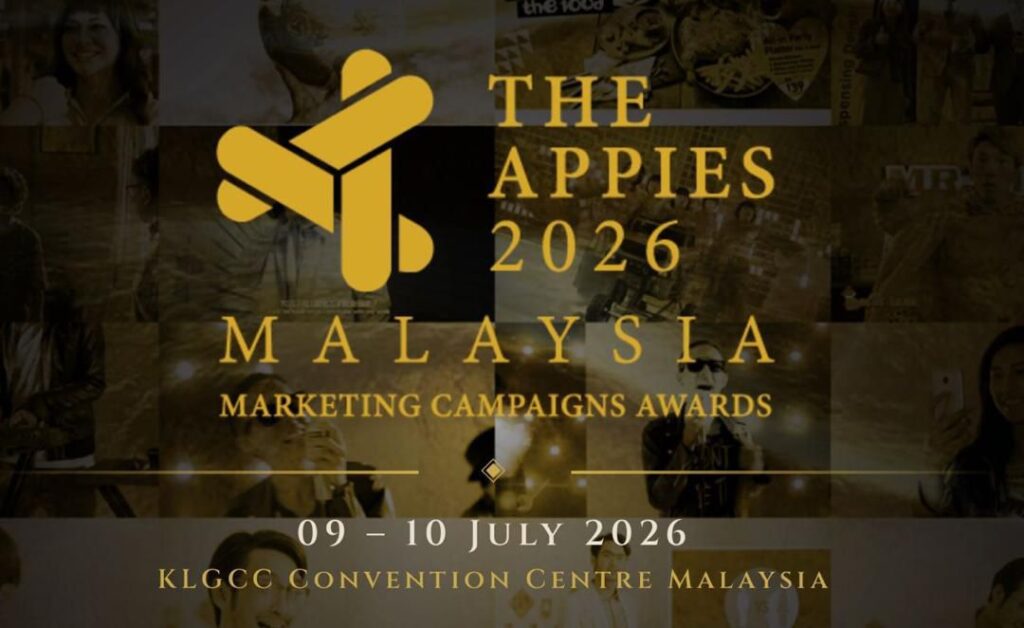
The APPIES is where Malaysia’s boldest campaigns, brightest ideas, and most impactful storytellers take the stage.
More than an awards show, it is the industry’s ultimate platform for creative, media, digital and marketing excellence, where live presentations meet live judging.
This is your chance to showcase work that moved audiences, shaped conversations, and delivered real results.
From breakthrough brand campaigns to innovative digital experiences, the APPIES celebrates the work that defines the future of marketing.
Step into the spotlight alongside the industry’s leading agencies, brands, creatives, strategists and changemakers.
Whether you are aiming for Gold, Silver, Bronze or the prestigious Best of the Best recognition, this is your moment to make history.
Your campaign deserves to be seen.
Your ideas deserve the stage.
Your work deserves the legacy.
KEY DATES
Haven’t subscribed to our Telegram channel yet? Don’t miss out on the hottest updates in marketing & advertising!