Most Raya films chase the same emotional notes: reunion, forgiveness, and the familiar rush back to kampung.
Julie’s Biscuits, however, has spent the past few years quietly steering its festive storytelling in a different direction — inward.
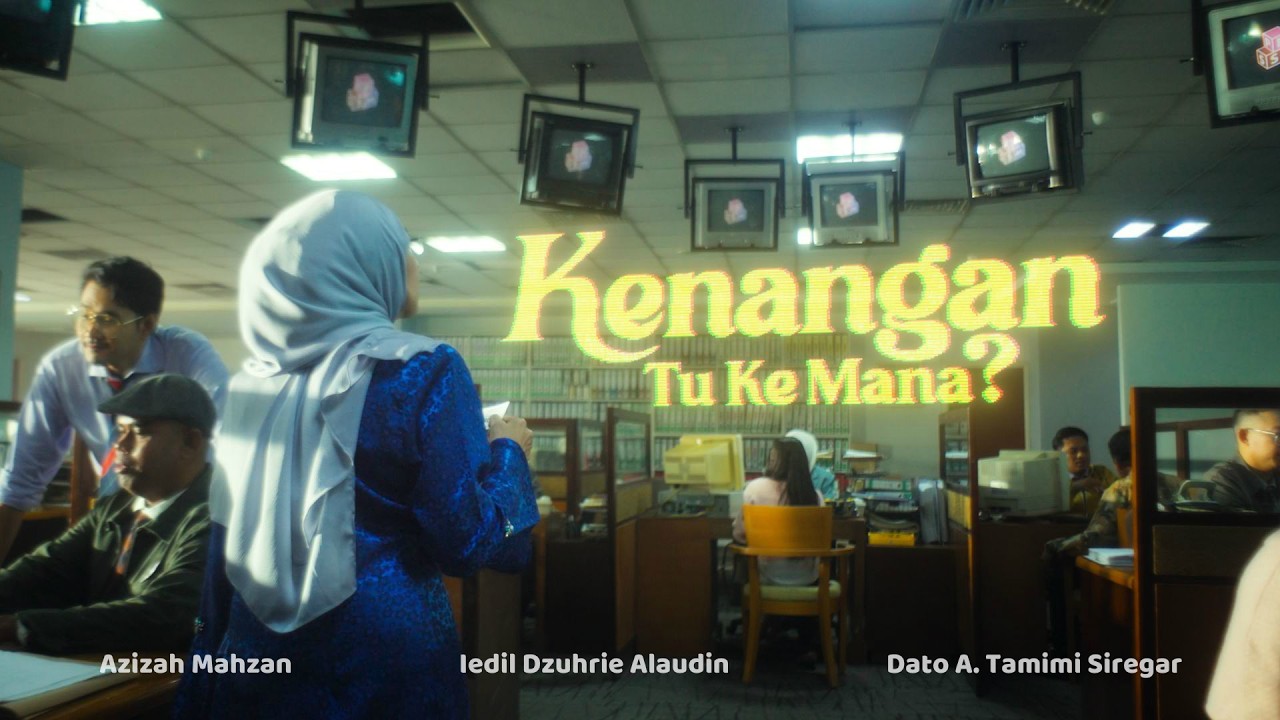
Its latest Raya film, “Kenangan Tu Ke Mana”, doesn’t begin with celebration.
It begins with a question: What happens when memories begin to disappear?
It is an unexpected starting point for a festive brand film, yet that is precisely what makes the campaign so arresting.
A memory vault instead of a kampung
The story unfolds inside a fictional “Pusat Simpanan Memori” — a symbolic memory storage facility where a mother named Hidayah revisits her Hari Raya memories before her mental “storage” runs out.
Accompanied by a polite customer service officer named Zamri, she walks through moments of her life with her son Azmir.
At first, the memories are vivid and joyful: Raya mornings, laughter around the table, Julie’s Love Letters passed around like clockwork in Malaysian households.
But as the journey continues, the memories begin to glitch.
Moments repeat. Details fade. Gaps appear.
It is a subtle but emotionally effective metaphor for Alzheimer’s disease, a topic rarely addressed openly in festive brand storytelling.
And then comes the twist.
The helpful officer Zamri is revealed to be Azmir himself.
In that moment, the metaphor collapses into reality.
What seemed like a nostalgic journey becomes something far more urgent: a son confronting the fragility of the memories that connect him to his mother.
Raya as emotional infrastructure
What makes the film particularly effective is how Raya functions within the narrative.
Rather than acting as a decorative backdrop, Raya becomes the structure that holds memory together.
Across the different stages of Hidayah and Azmir’s lives, the rituals remain constant — the food, the gatherings, the quiet moments around the living room table.
These recurring rituals anchor the story.
Even when memory falters, the rhythm of Raya returns.
This is a powerful cultural insight. In Malaysian households, festive rituals often become the hard drives of family memory — storing emotions long after details fade.
Julie’s cleverly situates its product within these rituals.
Love Letters appear naturally across the story: at the table, in tins, during conversations.
Not as product placement, but as part of the domestic landscape.
The brand is not the hero of the story.
Memory is.
The quiet power of restrained storytelling
The campaign also signals a broader shift in festive marketing.
For years, Raya advertising has leaned heavily on overt emotional crescendos.
Tears, grand reconciliations, and swelling soundtracks have become almost formulaic.
Julie’s takes the opposite approach.
The film is restrained, reflective and metaphor driven.
Humour appears in small, human moments.
The emotional punch lands not through spectacle but through recognition.
For marketers, it offers an instructive lesson: sometimes the most powerful festive stories are the quietest ones.
By addressing Alzheimer’s with sensitivity and metaphor, the campaign opens the door to conversations many families avoid — about ageing, caregiving, and the importance of presence.
In doing so, Julie’s transforms a festive brand film into something more enduring.
Not just a Raya story.
But a reminder that the memories we cherish most are not the ones we store.
They are the ones we show up for.
Share Post:

The APPIES is where Malaysia’s boldest campaigns, brightest ideas, and most impactful storytellers take the stage.
More than an awards show, it is the industry’s ultimate platform for creative, media, digital and marketing excellence, where live presentations meet live judging.
This is your chance to showcase work that moved audiences, shaped conversations, and delivered real results.
From breakthrough brand campaigns to innovative digital experiences, the APPIES celebrates the work that defines the future of marketing.
Step into the spotlight alongside the industry’s leading agencies, brands, creatives, strategists and changemakers.
Whether you are aiming for Gold, Silver, Bronze or the prestigious Best of the Best recognition, this is your moment to make history.
Your campaign deserves to be seen.
Your ideas deserve the stage.
Your work deserves the legacy.
KEY DATES
Haven’t subscribed to our Telegram channel yet? Don’t miss out on the hottest updates in marketing & advertising!