OpenAI CEO Sam Altman has never been shy about the scale of artificial intelligence.
But in New Delhi this week, his tone sharpened.
Speaking at the AI Impact Summit, Altman said the world “urgently” needs coordinated AI regulation and floated the idea of a global body modelled on the International Atomic Energy Agency (IAEA).
The comparison is deliberate. Nuclear technology reshaped geopolitics.
AI, Altman implied, could do the same — only faster.
For marketers and business leaders, this is not abstract policy theatre.
Regulation will shape how AI tools are trained, deployed, monetised and advertised.
It will influence data governance, cross-border compliance, content authenticity and platform accountability.
Altman’s warning was calibrated: democratised AI could empower humanity; centralised AI could concentrate power dangerously.
In an era where a handful of tech firms control frontier models, that distinction matters.
Campaigners have been pressing for stronger guardrails around issues that now touch everyday brand ecosystems.
AI-enabled scams, hyper-realistic deepfakes, algorithmic bias, labour displacement and misinformation at scale.
What was once a Silicon Valley debate has become a mainstream commercial concern.
For Malaysia’s marketing industry — already navigating generative AI for copy, visuals, analytics and performance optimisation — the regulatory direction taken globally will directly impact local execution standards.
But regulation wasn’t the only signal.
Altman revealed that ChatGPT now has 100 million weekly users in India with more than a third being students.
That statistic reframes India not just as a growth market, but as a behavioural laboratory for AI-native usage.
In parallel, OpenAI announced a partnership with Tata Consultancy Services (TCS) to build data centre infrastructure in India.
Infrastructure announcements are rarely accidental. They signal long-term commitment, local integration, and geopolitical positioning.
For Southeast Asian marketers observing from Kuala Lumpur or Singapore, this is a preview.
AI adoption curves in India often cascade into broader Asian digital ecosystems — influencing talent flows, platform norms and regional pricing models.
Altman’s framing is notable.
He positioned AI not merely as a disruptive force, but as an enabling layer — akin to electricity or the internet.
“Technology always disrupts jobs; we always find new and better things to do,” he said.
That reassurance will be debated.
Across agency floors and corporate marketing teams, generative AI is already reshaping workflows.
Creative ideation, localisation, research synthesis, performance reporting — tasks once billable by hour are increasingly augmented by machine assistance.
The economic model of agencies may shift as much as their creative output.
The regulatory conversation therefore becomes existential for the industry:
The deeper question is not whether regulation will come — it will — but who shapes it.
If AI governance mirrors financial regulation, early movers will embed compliance into product architecture and brand messaging.
Those who treat it as an afterthought will scramble later.
There is also reputational capital at stake.
Brands that position themselves as transparent, ethical AI adopters may win consumer trust in an environment where scepticism about algorithmic manipulation is rising.
Altman’s IAEA analogy underscores something else: AI governance will be international. Data flows do not respect national borders. Neither do digital campaigns.
For Malaysia’s marketing and communications ecosystem — ambitious, export-facing, and increasingly AI-curious — the takeaway is clear.
AI is no longer just a productivity tool or creative accelerator.
It is geopolitical infrastructure.
Infrastructure always comes with rules.
The next few years will determine whether AI empowers distributed creativity across markets like Malaysia and India or consolidates power within a narrow corridor of global tech giants.
The industry would be wise to pay attention now, before the rulebook is written without it.
Share Post:


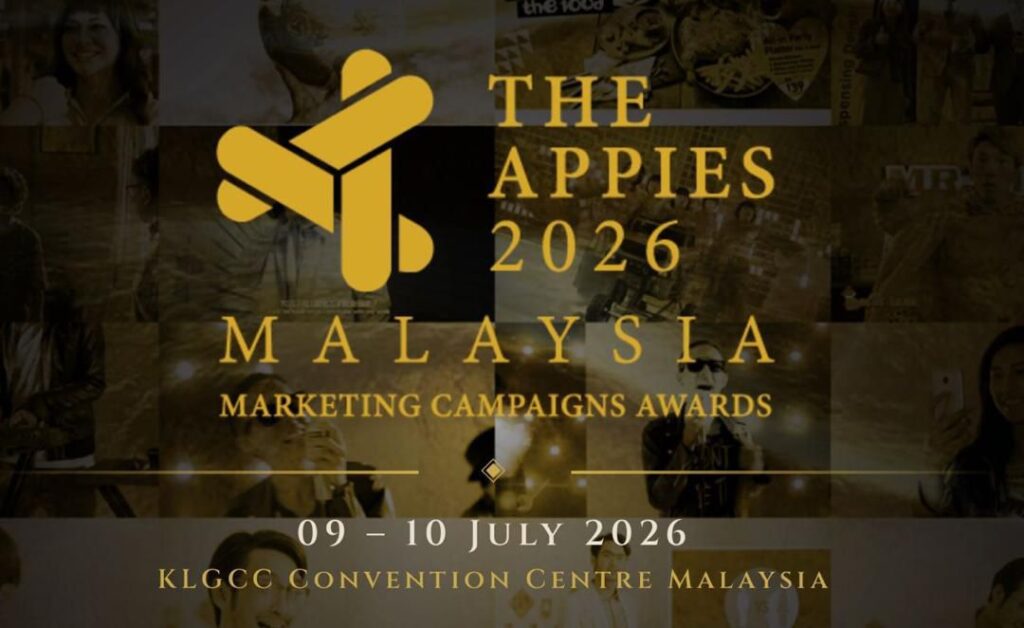
The APPIES is where Malaysia’s boldest campaigns, brightest ideas, and most impactful storytellers take the stage.
More than an awards show, it is the industry’s ultimate platform for creative, media, digital and marketing excellence, where live presentations meet live judging.
This is your chance to showcase work that moved audiences, shaped conversations, and delivered real results.
From breakthrough brand campaigns to innovative digital experiences, the APPIES celebrates the work that defines the future of marketing.
Step into the spotlight alongside the industry’s leading agencies, brands, creatives, strategists and changemakers.
Whether you are aiming for Gold, Silver, Bronze or the prestigious Best of the Best recognition, this is your moment to make history.
Your campaign deserves to be seen.
Your ideas deserve the stage.
Your work deserves the legacy.
KEY DATES
Haven’t subscribed to our Telegram channel yet? Don’t miss out on the hottest updates in marketing & advertising!