Every January, marketing pretends to discover the future.
Slides are polished. Buzzwords are refreshed. And somewhere between “next-gen engagement” and “hyper-personalisation,” everyone quietly hopes last year’s strategy still works.
But the best trend reports do not predict the future.
They reveal what is already happening — only faster than most people have noticed.
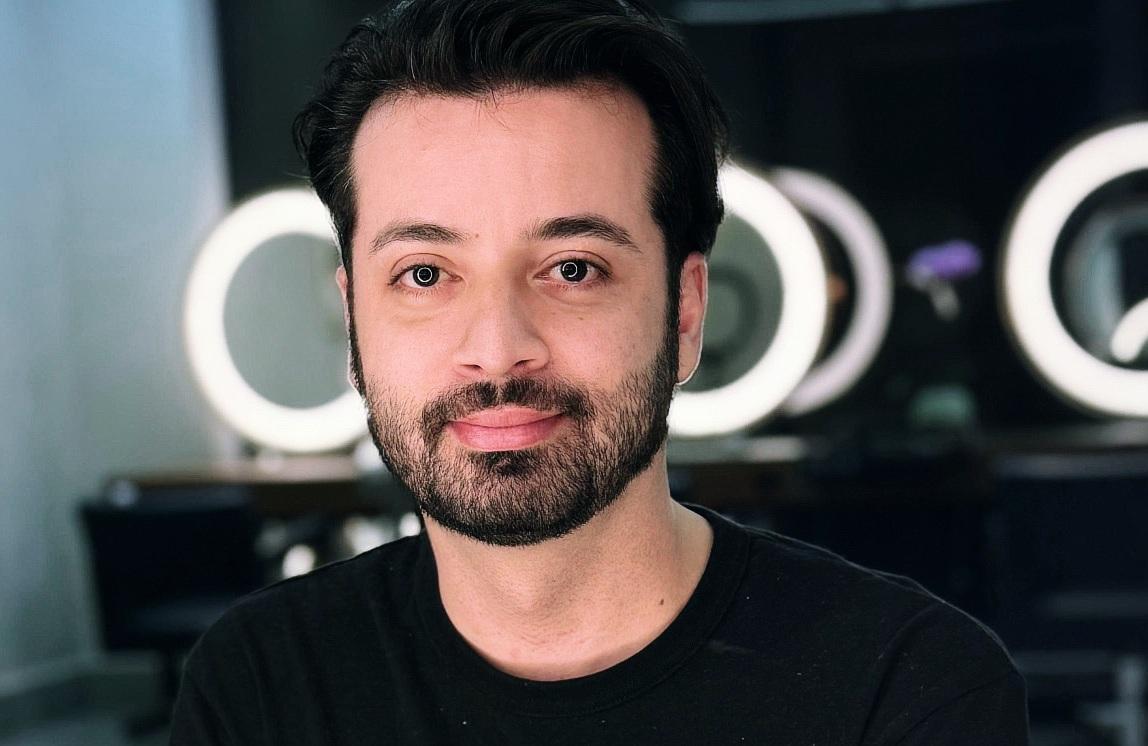
That is why the annual global trends study by Tiago “Tito” Ribeiro has become required reading across agency boardrooms and brand strategy teams.
Now in its tenth edition, the 2026 report does not chase platforms or passing formats.
Instead, it identifies five structural shifts quietly rewriting how brands create influence, commerce, and cultural relevance.
Experience Is the New AI Advantage
For years, the industry worshipped youth.
Digital natives were seen as the default innovators, while experience was politely labelled “legacy thinking.”
Artificial intelligence has just overturned that assumption.
As AI tools become central to content creation, the most valuable skill is no longer execution but orchestration — the ability to design prompts, shape strategic thinking, and apply contextual judgement.
And those capabilities often belong to professionals who have spent decades understanding audiences, brands, and behaviour.
The so-called “Silver Generation,” professionals over 60, is emerging not as a sentimental inclusion strategy but as a competitive advantage.
Experience trains pattern recognition. Pattern recognition sharpens AI outcomes.
Companies that recognise this early will find themselves producing smarter, more culturally intelligent work than those still chasing youth as a hiring shortcut.
The Creator Economy Grows Up — And Starts Selling
For the past decade, creators were hired for reach.
Today, they are hired for revenue.
Social commerce has collapsed the gap between storytelling and selling.
Platforms such as TikTok Shop and affiliate ecosystems are turning creators into retail channels, not just media channels.
A video is no longer simply content. It is a checkout page disguised as entertainment.
This shift marks the end of vanity metrics as the dominant currency of influencer marketing.
Brands increasingly want attribution, conversion, and measurable commercial impact.
The creator economy is not shrinking — it is becoming accountable.
And the agencies that understand commerce architecture, not just creator matching, will define the next decade of influence.
The Death of the “Hero Platform”
Once upon a time, brands designed campaigns around a single platform — Facebook first, then Instagram, then TikTok.
The logic was simple: find the biggest stage and shout the loudest.
That model is finished.
Audiences now live across fragmented communities, niche platforms, messaging ecosystems, and professional networks.
WhatsApp groups influence purchase decisions.
LinkedIn shapes B2B thought leadership.
Regional video platforms dominate entire demographic segments.
No single platform owns attention anymore.
Winning brands will not be those that post everywhere, but those that speak each platform’s native language — adapting storytelling, tone, and utility to fit behaviour rather than forcing audiences to adapt to campaigns.
Ads That Speak Only When Spoken To
Perhaps the most profound shift is happening quietly inside conversational interfaces.
AI assistants are evolving into discovery engines, recommendation platforms, and transaction channels all at once.
In this environment, advertising stops interrupting and starts assisting.
Messages appear only when they are contextually useful — when someone is already searching, planning, or deciding.
The result is advertising that feels less like persuasion and more like relevance.
Brands that learn to operate within conversational ecosystems early will gain a structural advantage, because visibility in these environments will be shaped not by budget alone, but by data intelligence and contextual precision.
Culture Becomes the Innovation Department
For decades, marketers said they were “culture-driven.” In reality, most were campaign-driven.
Culture inspired ads, but rarely products. That is changing.
Social listening, creator communities, and real-time behavioural feedback are increasingly shaping product design, service innovation, and brand decisions themselves.
Culture is no longer the inspiration for marketing; it is becoming the operating system for business innovation.
The brands moving fastest today are not those with the largest annual plans, but those capable of adjusting direction in real time — allowing community reaction, engagement signals, and cultural shifts to guide both messaging and product evolution.
The Quiet Transformation Already Underway
Taken together, Tito Ribeiro’s five signals point to a single conclusion: marketing is entering an era where experience, AI, commerce, platforms, and culture are no longer separate disciplines.
They are converging into one system.
The winners of 2026 will not necessarily be the loudest brands or the most prolific publishers.
They will be the companies that design smarter ecosystems — where human wisdom guides machine intelligence, creators drive measurable commerce, platforms are treated as languages rather than channels, and culture shapes innovation at speed.
The future, it turns out, is not arriving.
It has simply stopped waiting for everyone else to catch up.
Share Post:
Haven’t subscribed to our Telegram channel yet? Don’t miss out on the hottest updates in marketing & advertising!