There are movie promotions that try to charm audiences. There are others that chase outrage. And then, once in a while, there’s a campaign so sharply calibrated that it doesn’t need billboards, trailers or influencers at all — just a well-aimed invitation and a knowing smirk.
That is exactly what North American distributor Neon has pulled off with No Other Choice, Park Chan-wook’s darkly comic corporate thriller, by “cordially inviting” Fortune 500 CEOs to a free screening in New York.
No fanfare. No velvet rope. Just an RSVP email address and a line that reads like a compliment — until you understand the joke.
“This is truly a film that speaks to our gracious executive leaders and the culture they have cultivated.”
On paper, it sounds polite. In context, it’s savage.
Marketing That Understands Its Own Villain
No Other Choice is not subtle about what it thinks of corporate culture. The film follows Man-soo, a middle-aged paper mill worker unceremoniously fired after an American acquisition.
Faced with a ruthless job market and dwindling options, he concludes that the only way to survive is to remove his competition — permanently.
It is a story about layoffs, disposability, and the quiet violence of systems that celebrate efficiency while hollowing out lives.
Which makes the decision to invite America’s most powerful corporate leaders to a screening less a marketing stunt and more a conceptual punchline.
This is not a campaign that explains itself. It assumes the audience is intelligent enough to connect the dots — and confident enough to sit with the discomfort.
For marketers, that’s the first lesson: provocation works best when you trust the audience to do the thinking for you.
From Promotion to Cultural Commentary
Neon’s move isn’t about selling tickets to CEOs. It’s about reframing the conversation around the film before anyone even sees it.
By positioning No Other Choice as a “mirror” to corporate leadership, the campaign pulls the film out of the entertainment pages and into cultural discourse.
It becomes a commentary on layoffs, shareholder capitalism, and the human cost of quarterly thinking — themes that resonate far beyond cinephile circles.
Importantly, the invitation was shared publicly on X. That matters. The real audience wasn’t the executives themselves, but everyone watching the executives be invited.
In one stroke, Neon turned a private screening into a public provocation.
Why This Works in a Cynical Attention Economy
We are living in an era where audiences are deeply sceptical of marketing intent. Grand purpose statements are met with eye-rolls. Brand activism is interrogated within seconds. Earnestness, without self-awareness, rarely survives the comment section.
What makes this campaign effective is its restraint. There is no moral lecture. No hashtag sermon. Just a deadpan invitation that lets the irony do the heavy lifting.
For brands and agencies, this is a reminder that wit can be more powerful than volume.
Cultural fluency now matters more than media weight. Understanding how power, privilege and perception intersect is a strategic advantage — not a creative flourish.
Park Chan-wook as Brand Asset
It also helps that the campaign is anchored in a filmmaker whose reputation carries intellectual credibility.
Park Chan-wook is not known for feel-good cinema. His work interrogates violence, morality and systems of control with surgical precision.
By aligning the marketing tone with the director’s worldview, Neon ensures coherence between product and promotion. The campaign doesn’t feel bolted on. It feels inevitable.
Too often, marketing sanitises the very edges that make a piece of work culturally potent. Here, the distributor leans into the discomfort — and trusts it.
Christmas Day Irony, Perfectly Timed
There is one final layer of irony that marketers should appreciate: No Other Choice opens in US cinemas on Christmas Day.
A film about corporate downsizing, desperation and moral collapse, released at the peak of consumer cheer.
This isn’t accidental. It’s tonal contrast used as strategy. In a season saturated with sentimentality, the film — and its marketing — positions itself as the sharp object in the room.
Sometimes, standing apart is more effective than fitting in.
What Malaysian Marketers Should Take From This
While the campaign plays out in the US, its lessons are highly relevant closer to home.
Malaysian brands, too, operate in a landscape shaped by layoffs, restructuring, automation and growing worker anxiety.
The takeaway is not to troll CEOs for sport. It is to recognise that marketing today is inseparable from cultural literacy.
Campaigns that understand power dynamics, social tension and audience intelligence travel further than those that simply chase reach.
The smartest work no longer asks, “How do we get attention?”
It asks, “What uncomfortable truth are we willing to acknowledge — and can we do it with intelligence?”
Neon didn’t just market a film. It staged a conversation.
In a world drowning in noise, that may be the most effective strategy of all.
Share Post:
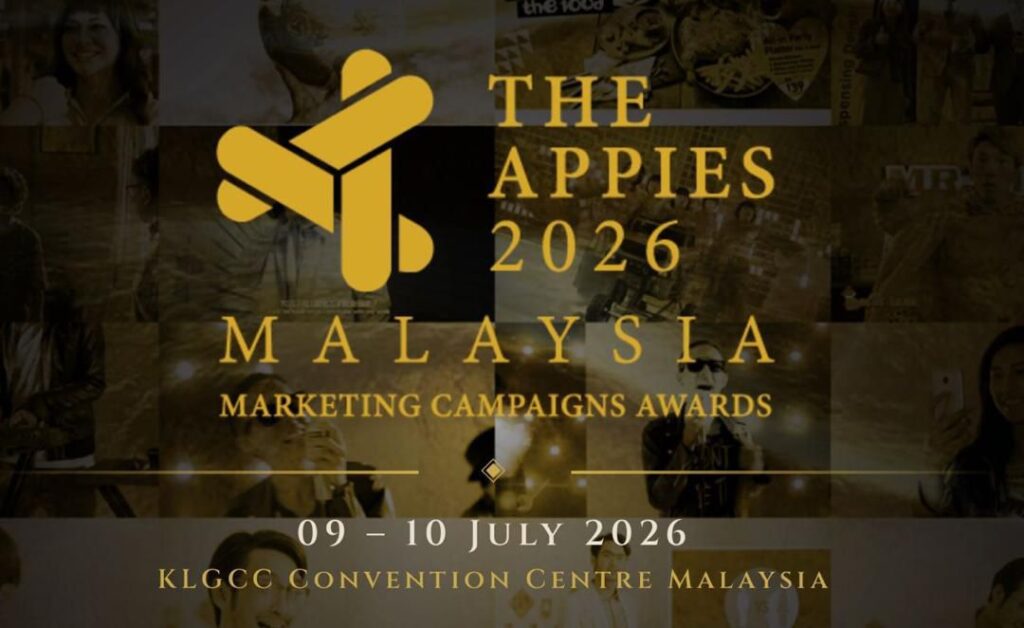
The APPIES is where Malaysia’s boldest campaigns, brightest ideas, and most impactful storytellers take the stage.
More than an awards show, it is the industry’s ultimate platform for creative, media, digital and marketing excellence, where live presentations meet live judging.
This is your chance to showcase work that moved audiences, shaped conversations, and delivered real results.
From breakthrough brand campaigns to innovative digital experiences, the APPIES celebrates the work that defines the future of marketing.
Step into the spotlight alongside the industry’s leading agencies, brands, creatives, strategists and changemakers.
Whether you are aiming for Gold, Silver, Bronze or the prestigious Best of the Best recognition, this is your moment to make history.
Your campaign deserves to be seen.
Your ideas deserve the stage.
Your work deserves the legacy.
KEY DATES
Haven’t subscribed to our Telegram channel yet? Don’t miss out on the hottest updates in marketing & advertising!