When Malaysia gears up for Visit Malaysia 2026, most marketers will instinctively think beaches, food, culture, and influencers posing with teh tarik foam like it’s a passport stamp.
But beneath the predictable tourism playbook, something far more strategic is taking shape — a national push to brand Malaysia as one of the world’s most trusted destinations for medical travel.
This isn’t about hospital brochures or health check-up promotions.
It’s about positioning Malaysia where very few countries succeed: As a place where healthcare doesn’t just treat — it reassures.
And with the Malaysia Year of Medical Tourism 2026 now in motion, the spotlight isn’t just on attracting more tourists — but on attracting patients, caregivers, long-stay wellness travellers, and global demand for life-improving care.
The Rise of a New Category: Travel With Purpose
Globally, medical tourism is booming — expected to reach RM586 billion by 2034. The Asia-Pacific region leads that growth, fuelled by an ageing population, rising healthcare costs in developed markets, and a shift toward elective, wellness and preventive care.
Malaysia already sits within this demand curve. Before the pandemic, healthcare travel revenue jumped from RM831 million in 2015 to RM1.55 billion in 2019. Recovery has been more than respectable; by the end of 2025, revenue is expected to cross RM3 billion.
Numbers aside, here’s the real signal:
People aren’t coming for discounts. They’re coming because they trust the journey.
Why Malaysia Works: Beyond Price and Facilities
Malaysia’s emerging advantage isn’t defined by a single selling point — it’s a blend of factors that together create an experience few competitors can replicate.
It begins with value anchored in quality. Procedures here cost significantly less than in Singapore or private Indonesian hospitals, yet clinical standards — accreditation, senior specialists, medical technology — hold up to international scrutiny. Patients pay less, but don’t feel like they’re compromising.
Then there’s the matter of experience design. Much of medical travel worldwide is stressful — airports, paperwork, logistics, language gaps, waiting times. Malaysia flips that experience into something calm, coordinated, and predictable: airport meet-and-greet, fast-track immigration, concierge appointments, bundled treatment-and-stay plans, and clear follow-up pathways. Care feels organised, and that reduces fear.
And wrapped around this system is Malaysia’s natural cultural fluency. A multilingual population means patients don’t struggle to understand treatment plans. Halal-compliant options, female clinicians upon request, respectful bedside communication — these details matter deeply when one is vulnerable, healing, or worried.
Finally, the foundation that makes all the above meaningful: trust. With flagship hospitals undergoing rigorous evaluation under national programmes and rising recognition from global healthcare benchmarking bodies, Malaysia’s offering isn’t “come try us”.
It’s closer to: “Come — because the outcomes speak louder than the marketing.”
The Missing Piece: Positioning Malaysia Beyond Treatment
If there is one opportunity still unlocked, it is this: Malaysia can expand from being a place to get better — to a place to stay well.
The global boom in integrative wellness, longevity science, post-care rehabilitation and traditional therapeutics aligns perfectly with Malaysia’s environment, biodiversity and cultural heritage.
Imagine a global patient saying:
“I didn’t just receive treatment in Malaysia — I recovered, reset, and rebuilt my health there.”
That positioning elevates the offering from procedure-led to lifestyle-led — and lifestyle brands scale faster and stick longer than medical services.
The Path Ahead: Not More Hype — More Alignment
Of course, ambition requires governance. Talent distribution must be carefully managed. Platforms must unify data and outcomes. The market mix has to expand beyond Indonesian dominance. And outcome reporting must mature into a competitive strength.
But momentum has weight — and Malaysia’s healthcare travel ecosystem is now aligned in a single direction.
For the first time, Malaysia isn’t just selling tourism.
It’s selling confidence. Competence. And care that feels human.
Why This Matters to Marketers
Because this isn’t just a healthcare story — it’s a nation-building brand strategy.
A country that can brand trust in medicine can brand almost anything.
If MYMT2026 succeeds, Malaysia won’t just be known for food and beaches. It will be known as a place where healing is accessible, recovery feels dignified, and care feels thoughtful — not transactional.
And when a destination becomes synonymous with wellbeing, it stops being a choice — it becomes a habit.
Malaysia now has the chance to build that habit.
Not loudly.
But convincingly.
Share Post:


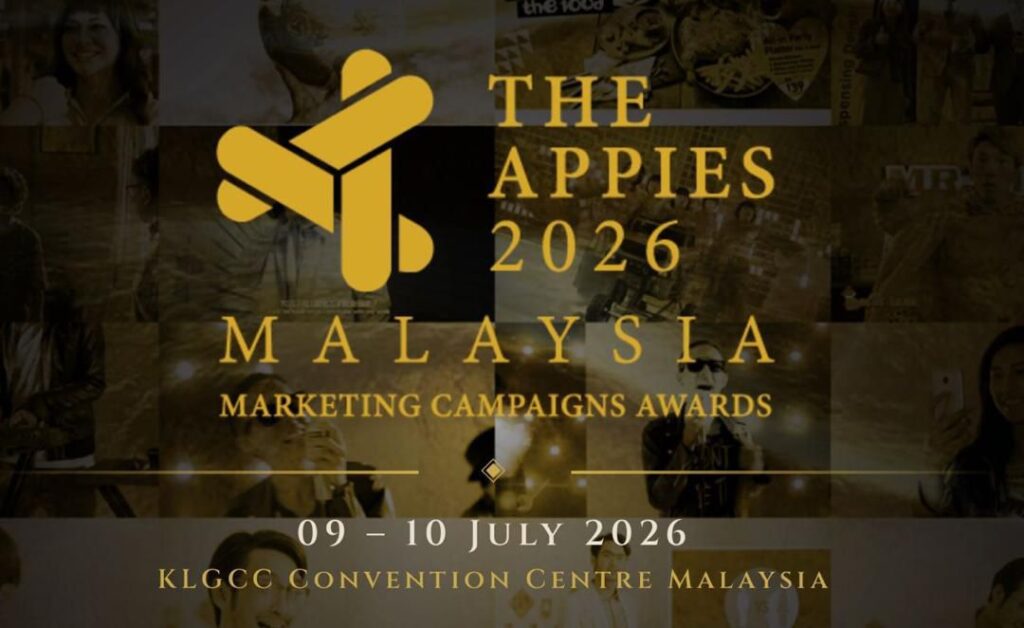
The APPIES is where Malaysia’s boldest campaigns, brightest ideas, and most impactful storytellers take the stage.
More than an awards show, it is the industry’s ultimate platform for creative, media, digital and marketing excellence, where live presentations meet live judging.
This is your chance to showcase work that moved audiences, shaped conversations, and delivered real results.
From breakthrough brand campaigns to innovative digital experiences, the APPIES celebrates the work that defines the future of marketing.
Step into the spotlight alongside the industry’s leading agencies, brands, creatives, strategists and changemakers.
Whether you are aiming for Gold, Silver, Bronze or the prestigious Best of the Best recognition, this is your moment to make history.
Your campaign deserves to be seen.
Your ideas deserve the stage.
Your work deserves the legacy.
KEY DATES
Haven’t subscribed to our Telegram channel yet? Don’t miss out on the hottest updates in marketing & advertising!