By The Malketeer
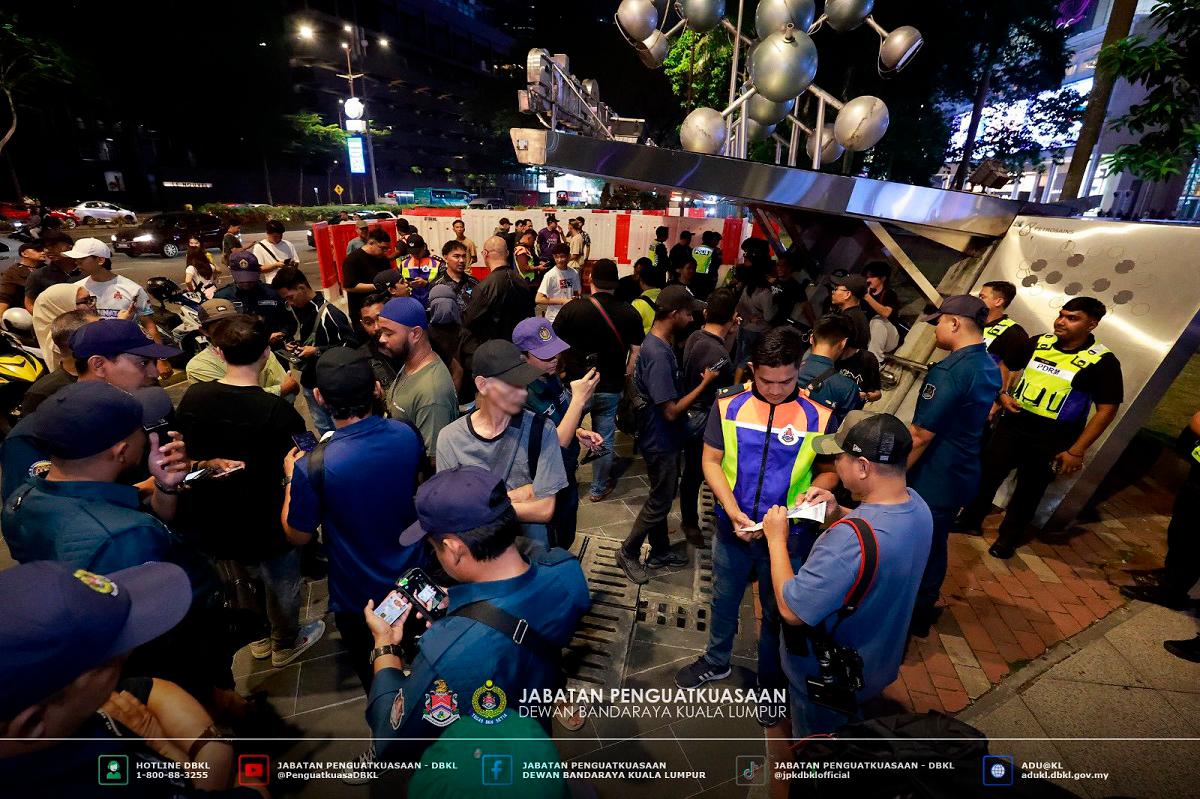
Over the weekend, Kuala Lumpur City Hall (DBKL) launched ‘Op Lens’, a coordinated enforcement sweep targeting unlicensed street photographers operating in the KLCC area.
A total of 41 individuals were slapped with RM2,000 fines each for offering paid photo services in public spaces: roads, walkways, and pedestrian paths that double as photo studios for influencers, tourists, and newlyweds.
On the surface, this is a story about urban order, compliance, and public safety. But scratch a little deeper, and it’s also a marketing story.
One that raises uncomfortable questions for brand guardians, city planners, and content strategists alike.
The Rise of the Street-Level Creator
Kuala Lumpur’s skyline, particularly around KLCC, has become the de facto canvas for Instagram dreams, TikTok dances, and street-style shoots.
It’s not uncommon to see self-styled photographers—armed with mid-range DSLRs or iPhones with portrait mode—snapping away for tourists, couples, or even casual social media clients.
While DBKL frames these activities as a safety and licensing issue, they also reveal something marketers should take seriously: there is a real, grassroots economy around content creation.
These freelance shooters, often without formal training or business licenses, are tapping into an under-served demand—affordable, on-the-spot, social-ready visuals for people who want KLCC’s grandeur in their feed.
In other words, content is the product, and KLCC is the brand.
“These are not just photographers. They’re unofficial brand ambassadors of the city,” notes a local creative director, Ryo Azahari.
“They may be illegal, but they’re the only ones making you feel like a tourist again.”
When Branding Clashes with Bureaucracy
DBKL’s statement underscores the risks: unlicensed services carried out on roads and walkways not only obstruct pedestrian traffic but also pose hazards to public safety.
Some clients are allegedly lured into “low-cost” packages that later balloon into disputes—raising ethical concerns.
But the tension between control and creativity is worth interrogating.
At what point does organic content creation become a civic liability?
Can a city’s brand coexist with its informal content economy?
Other global cities have taken a different tack:
Seoul introduced “social media zones” to encourage safe, designated street content creation.
Tokyo works with local photographers to offer regulated “tour shoots” in key locations.
Bangkok partners with creators for official city-branded reels and TikToks.
Malaysia might do well to reframe the conversation.
Rather than purely penalise, is there room to legitimise and upskill these photographers, many of whom are informal entrepreneurs, into certified content partners?
Why Brands Should Pay Attention
This crackdown offers a marketing mirror with broader implications:
Every public space is now a content stage: From malls to murals, marketers must expect organic content creation, and learn to design for it, not just advertise on it.
Informal creators are often first to capture attention: These street photographers understand lighting, angles, and virality better than most ad agencies. That’s not a threat. That’s a talent pool.
Authenticity over polish: The rising appeal of low-fi, real-world content suggests that authenticity now trumps studio slickness. The very chaos DBKL is curbing may be what resonates with modern audiences.
Opportunities in the Crackdown
Instead of seeing these individuals as nuisance operators, what if the next Tourism Malaysia initiative offered:
In doing so, Malaysia can turn urban enforcement into creative enablement, while maintaining safety and order.
KL’s Untapped Brand Builders
The KLCC incident is not just a public safety bulletin—it’s a missed marketing opportunity.
At a time when brands are spending millions on authenticity, relatability, and hyperlocal content, Malaysia’s informal creators are already doing it for free….on the streets, every day.
The next viral brand video may not come from an agency.
It may already be floating across Instagram, shot on a pedestrian crossing, framed against Petronas Towers, by an unlicensed lens now silenced by a RM2,000 fine.
The question is: will the authorities and marketers start seeing them, not as trespassers, but as storytellers?
Share Post:


The APPIES is where Malaysia’s boldest campaigns, brightest ideas, and most impactful storytellers take the stage.
More than an awards show, it is the industry’s ultimate platform for creative, media, digital and marketing excellence, where live presentations meet live judging.
This is your chance to showcase work that moved audiences, shaped conversations, and delivered real results.
From breakthrough brand campaigns to innovative digital experiences, the APPIES celebrates the work that defines the future of marketing.
Step into the spotlight alongside the industry’s leading agencies, brands, creatives, strategists and changemakers.
Whether you are aiming for Gold, Silver, Bronze or the prestigious Best of the Best recognition, this is your moment to make history.
Your campaign deserves to be seen.
Your ideas deserve the stage.
Your work deserves the legacy.
KEY DATES
Haven’t subscribed to our Telegram channel yet? Don’t miss out on the hottest updates in marketing & advertising!