By The Malketeer
Malaysia’s Advertising Industry Finally Says No to Exploitative Pitches
On July 15, 2025, the Media Specialists Association of Malaysia (MSA) launched its 2025 Media Pitch Guidelines—a landmark move to combat the long-standing exploitation of agencies during pitch processes.
It’s more than a procedural update.
It’s a turning point in reclaiming respect, time, and value in an industry long plagued by idea theft and unethical expectations.
Calling Time on a Culture of Exploitation
For years, Malaysian agencies have been pressured to deliver their best strategies, media plans, and creative work for free—often without credit or contracts.
These ideas have regularly reappeared in-market, repackaged by other vendors or executed without the original agency’s involvement.
“Let’s call it what it is—idea theft,” says a senior consultant with a regional agency group.
“When your deck becomes someone else’s campaign, unpaid and uncredited, it’s not creative competition—it’s corporate piracy.”
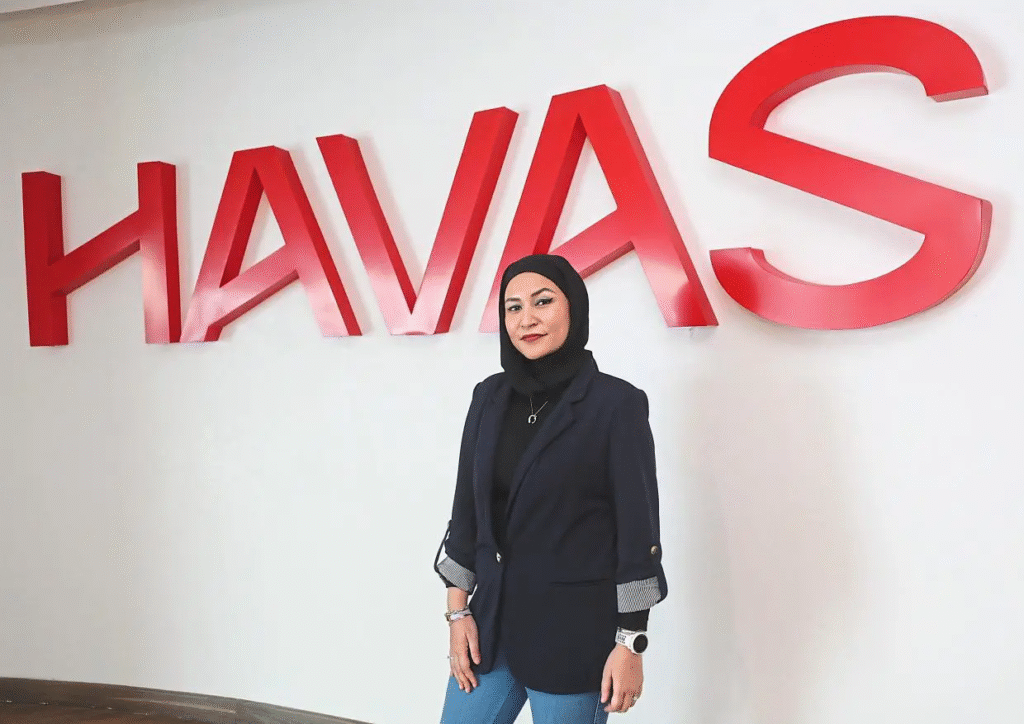
“We’ve seen ideas show up months later, without contract or credit,” echoes Nizwani Shahar, CEO of Havas Malaysia.
“Even in media pitches, strategic thinking is lifted. This erodes trust.”
Dr. Shakthi DC, Founder & CEO of iWISERS and Regional VP of the Strategic Asia Marketing Alliance (SAMA), offers broader a context:
“The tipping point was the collective frustration over IP misappropriation and misaligned expectations, amplified by today’s fast-paced, data-driven environment. Agencies are no longer willing to bear the cost of ambiguity.”
A New Blueprint: The MSA Guidelines
The guidelines aim to restore balance with reforms that include:
“These aren’t lofty ideals,” said an MSA spokesperson. “They’re pragmatic solutions born out of years of frustration.”
Even Clients Say: Enough Is Enough
Some advertisers agree the pitch culture has become distorted.
“We expect brilliance from agencies—but don’t always offer transparency, time or compensation,” says Munira Khalil, a senior marketing adviser to an FMCG brand.
“That’s hypocritical. If we want long-term partners, we must respect their process and investment.”
Speaking in his personal capacity, industry veteran Clarence Koh, agrees:
“A key issue with the previous pitch process often stemmed from procurement-led approaches that overlooked the crucial nuances of agency work. In some instances, marketing teams were entirely excluded from the process, which removed the necessary balance between commercial requirements and the creative and strategic realities of agency operations.”
Adds Munira: “Procurement should safeguard value, not sacrifice quality. Without marketing at the table, it’s like buying a Ferrari based on tyre prices.”

Academia Weighs In: A Shift in Power Dynamics
“Pitching has long reflected a top-heavy system where advertisers wield all the control,” says Dr. Dharamraj Rai, senior lecturer in Media and Communications.
“The MSA framework starts to restore balance by recognising intellectual capital as equally valuable to financial capital.”
The Emotional & Economic Toll
The cost of ghost pitches isn’t just financial.
“We’ve lost great talent because they were burnt out by ghost pitches,” says Dato’ Shahrein Zainal, Group Managing Director of Friends Advertising.
“It’s not just economic waste—it’s emotional exhaustion.”
Clarence adds: “Clients often expect full strategies in five days, assuming agencies are idle. That mindset needs to go.”
Time, Respect and Value
The RM10,000 fee for additional case studies has triggered debate. Is it tokenistic—or a wake-up call?
“It’s symbolic—but powerful,” says Shahrein. “It says our time is valuable.”
“Great work takes time,” Nizwani adds.
“Compressed timelines result in repurposed ideas and exhausted teams. It undermines strategic thinking and long-term success.”
Clarence puts it simply: “A well-written brief and two thoughtful tasks are enough. Let’s stop sending agencies on wild goose chases.”
From Free Labour to Real Partnerships
The guidelines redefine what pitching should be: the start of a relationship, not a free-for-all.
“These reforms reposition pitching as the start of a relationship—not a gladiator battle,” says Nizwani.
“When done right, both sides benefit. When abused, everyone loses.”
Dr. Dharamraj agrees: “This is a mindset reset. Saying no to exploitation isn’t radical—it’s responsible.”

Will Agencies Hold the Line?
Guidelines alone won’t fix things. Real change requires collective will.
“Progressive advertisers will embrace these reforms,” says Dr. Shakthi.
“But procurement teams focused only on cost may resist. That’s why industry bodies—MSA, SAMA, MDA, the 4As—must unite with agencies to hold the line and refuse non-compliant pitches.”
Shahrein adds: “Pitching is not charity. It’s a strategic investment. We need to stop apologising for wanting respect.”
“Every time an agency says no to unethical terms, it strengthens the industry,” Clarence affirms.
Nizwani agrees: “We must build relationships rooted in shared ambition—not just deliverables. Saying no when something feels wrong isn’t burning a bridge. It’s building a better one.”
“Saying no doesn’t burn bridges—it builds better ones,” Munira concurs.
“The best marketers want partners—not pushovers.”
Respect Is the New Currency
The MSA 2025 Media Pitch Guidelines offer a bold new playbook—but only if embraced in both letter and spirit.
“It’s not just about protecting agencies,” Nizwani concludes.
“It’s about raising the bar—for everyone.”
To download the full report: https://mymsa.org/wp-content/uploads/2025/07/MSA-Pitch-Guidelines_2025.pdf