By The Malketeer
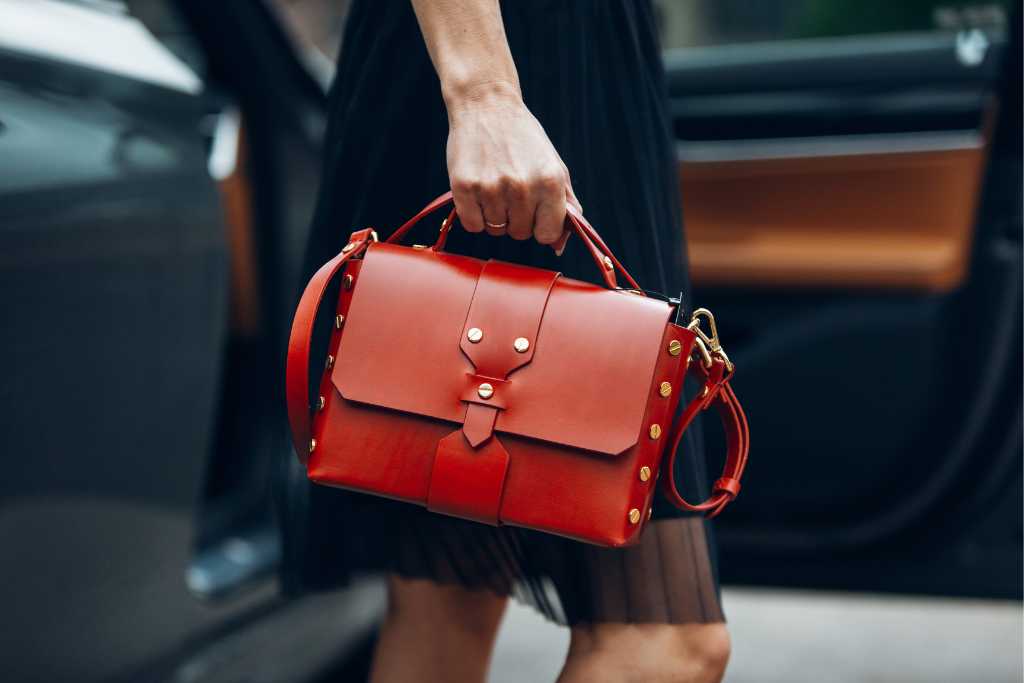
As counterfeit factories go rogue and OEM insiders spill secrets, are luxury brands heading for a branding identity crisis?
Luxury used to mean unattainable.
It meant exclusivity, craftsmanship, heritage—and most importantly, status.
But what happens when luxury becomes… accessible?
Dirt cheap, even?
A Chinese businessman has set the internet ablaze with a bold claim: “I’ve been manufacturing for Gucci, Prada, Louis Vuitton for 30 years. We made them, we can sell them—direct.”
And just like that, the invisible wall separating the haute from the humble may be cracking.
While the U.S. flexes its tariff muscles in the latest round of trade war theatrics, China appears to be playing a much more subversive long game.
This “OEM whistleblower” didn’t just talk about copying luxury—he hinted at democratising it.
With the same skilled hands, the same high-grade materials, and the same factory floors, the only thing missing… is the logo markup.
In his viral video, the businessman lamented how Chinese factories earned crumbs from billion-dollar brands.
But now?
“Why don’t you just contact us and buy from us? You won’t believe the prices we give you.”
Netizens responded with glee.
“$100 Birkin? ”
“$10 Prada purse? I’m in.”
It’s a consumer revolution—comedy-laced comments, memes of flex culture imploding, and a rising sentiment that perhaps, just perhaps, luxury has been a marketing illusion all along.
But herein lies the paradox: If everyone owns a luxury product, is it still luxurious?
That’s the branding nightmare haunting fashion houses from Milan to Manhattan.
Because beyond craftsmanship, beyond design, luxury thrives on scarcity.
Once that veil is lifted—if an OEM factory can offer the same bag without the eye-watering markup—the brand value crumbles.
You’re no longer paying for exclusivity.
You’re paying for perception.
And perception, as any seasoned marketer knows, is everything.
There’s a delicious irony here: in retaliating against trade aggression, China may have accidentally exposed the marketing façade at the heart of the luxury ecosystem.
It’s not about the product—it’s about the promise the brand makes.
A promise of superiority, elegance, and being in the upper echelon.
So what’s next for luxury branding in this new era?
Premium brands may need to pivot harder into storytelling, ethical sourcing, and cultural capital.
Because when a Chanel lookalike costs less than a takeaway meal, even the most iconic logos risk becoming fashion’s version of fast food.
The dragon has roared.
The question is: can luxury marketing still whisper its magic?
Share Post:

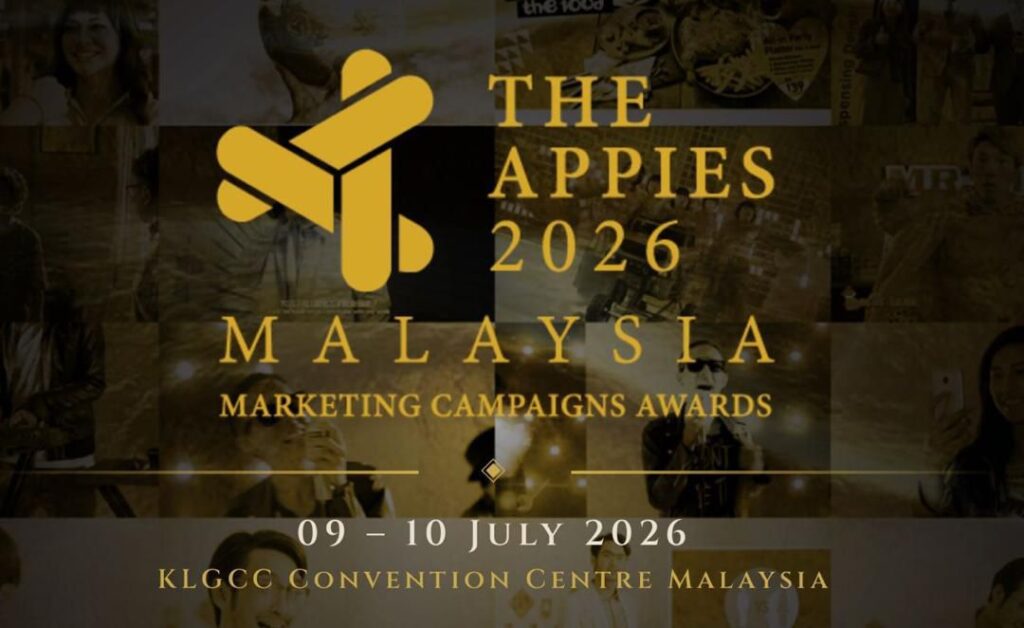
The APPIES is where Malaysia’s boldest campaigns, brightest ideas, and most impactful storytellers take the stage.
More than an awards show, it is the industry’s ultimate platform for creative, media, digital and marketing excellence, where live presentations meet live judging.
This is your chance to showcase work that moved audiences, shaped conversations, and delivered real results.
From breakthrough brand campaigns to innovative digital experiences, the APPIES celebrates the work that defines the future of marketing.
Step into the spotlight alongside the industry’s leading agencies, brands, creatives, strategists and changemakers.
Whether you are aiming for Gold, Silver, Bronze or the prestigious Best of the Best recognition, this is your moment to make history.
Your campaign deserves to be seen.
Your ideas deserve the stage.
Your work deserves the legacy.
KEY DATES
Haven’t subscribed to our Telegram channel yet? Don’t miss out on the hottest updates in marketing & advertising!