An Industry-Wide Reminder That Virality Without Ethics Can Undermine Trust
Amid growing concern over attention-seeking stunts and misleading digital content, the Communications and Multimedia Content Forum of Malaysia is calling for greater accountability from influencers and content creators across platforms.
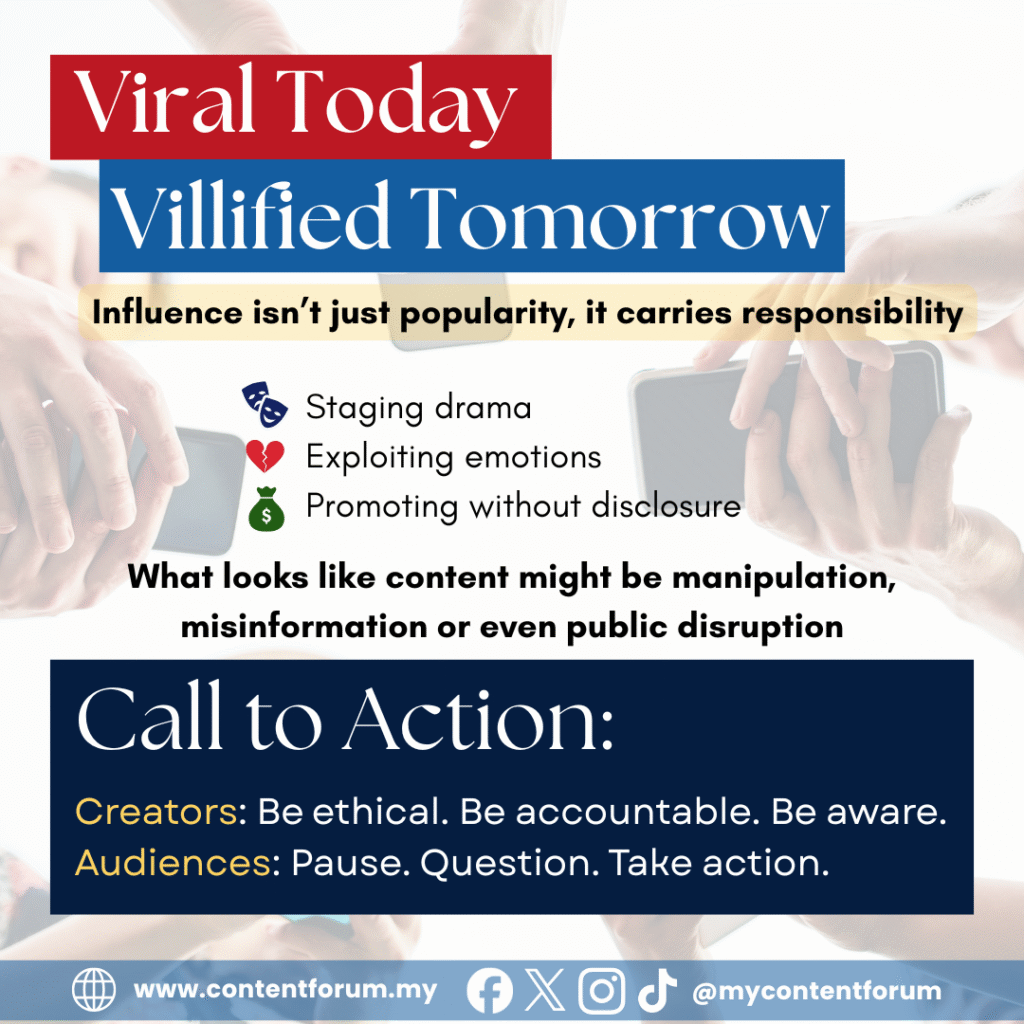
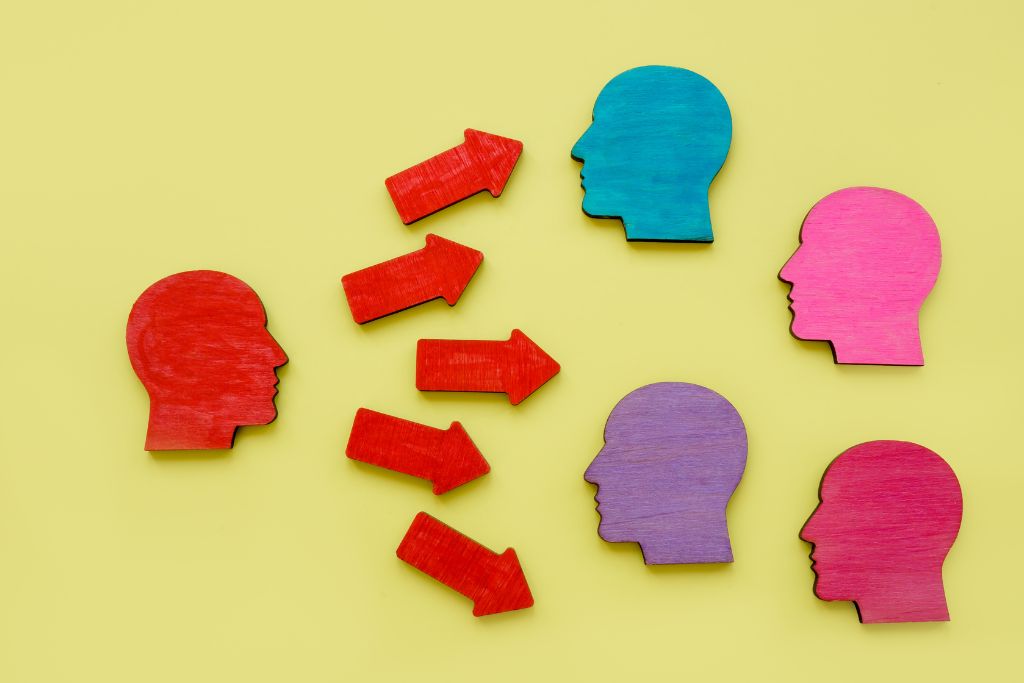
Influence doesn’t just attract followers, it can activate real emotions, real reactions, and sometimes, real consequences. While many create to entertain or inform, others may use their platforms to provoke, manipulate, or even weaponise their audience.
Misleading narratives, staged scenarios, and undisclosed promotions can lead to confusion, distress, or trigger public reactions far beyond the screen. In some cases, influence is used not just to gain attention, but to attack, deceive, or deflect accountability. When content crosses into that territory, the damage is no longer digital, it becomes real.
“In a heartbeat, digital content can go viral, and audiences often react emotionally and instinctively,” said Mediha Mahmood, CEO of the Content Forum. “Creators must understand the weight that carries. When content manipulates sympathy or stages harm without any clear boundary, the fallout spreads fast. And once public trust is shaken, it’s not just content credibility at risk—it’s the entire ecosystem around it.”
Understanding the Line Between Content and Conduct
The Forum emphasised that while storytelling is a vital part of digital creativity, creators must distinguish between entertainment and manipulation. When content mimics crisis, danger, or trauma—without context or disclosure—audiences are drawn into a version of reality that may not exist.
Esma Daniel, Honorary Secretary of the Digital Creative Content Creators Association of Malaysia (DCAM) and Content Forum council member said: “In professional storytelling, there’s a clear understanding between the creator and the audience. But on social media, when content is made to feel ‘real’ without any clear indication otherwise, that line disappears. The public can’t make informed decisions, and what’s framed as creativity can quickly become carelessness, with very real consequences.”
Accountability Doesn’t End Online—The Law Still Applies
Dato’ Brian Law, Managing Partner at LAW Partnership and member of the Content Forum, added: “When online contents are false, misleading or malicious and cause public panic, there is a real risk that legal consequences may follow. Content creators must understand that virality does not excuse legal liability and the contents must not be offensive or illegal to start with.”
Examples from around the world have shown that digital stunts—whether faking emergencies, impersonating officials, or creating dangerous public scenes—can and do result in prosecution. In Malaysia, acts that mislead or alarm the public may fall under laws addressing public mischief, misuse of communication networks, or false reporting.
Integrity Is the Real Currency of Influence; Not Controversy
As Malaysia’s self-regulatory body under the Communications and Multimedia Act, the Content Forum represents a broad spectrum of stakeholders—from platforms and broadcasters to advertisers, creatives, and civil society. Members agree that the long-term health of the content ecosystem depends on creators who understand the difference between attention and integrity.
“As leaders in this space, we have to set the tone. The content we put out—especially when seen by millions—should reflect the kind of digital culture we want to build: one that’s responsible, respectful, and aware of its impact,” said Rafiq Razali, Managing Director of Media Prima Group and Chairman of the Content Forum.
“Brands are watching. They want to work with creators who reflect credibility, not controversy—those who align with their values and uphold brand integrity. Perhaps it’s time for an industry-backed trust mark—one that’s earned, not bought—to give credible creators the edge they deserve, and brands the peace of mind they need. And maybe it’s also time for a code of conduct to ensure that trust truly means something to creators, brands, and most importantly, consumers,” said Claudian Navin Stanislaus, President of the Malaysian Advertisers Association (MAA) and Vice Chairman of the Content Forum.
“Keeping online spaces safe is a collaborative effort and TikTok remains committed to upholding a positive, safe, and secure environment for our Malaysian community by partnering with civil society organizations, industry partners, educators, and creators,” said Firdaus Fadzil, Head of Public Policy of Malaysia at TikTok and Council member of the Content Forum.
What the Public Can Do
The Content Forum also encourages viewers to engage critically with what they see online: