In the age of AI, it’s a company’s thinking that sets it apart.
Yet most marketers are followers: they simply follow industry trends, target audiences and best practices.
It takes discipline to generate truly innovative thinking – thinking that can gain real competitive advantage.
And one of the most powerful tools is SCAMPER.
This technique – literally – forces teams to think outside-of-the-box.
SCAMPER is an acronym for seven actions that form a series of provocative questions.
You can use each of these provocations to transform your competitive advantage in every area of your business: products & services, experiences & communications.
Let’s explore the seven principles:
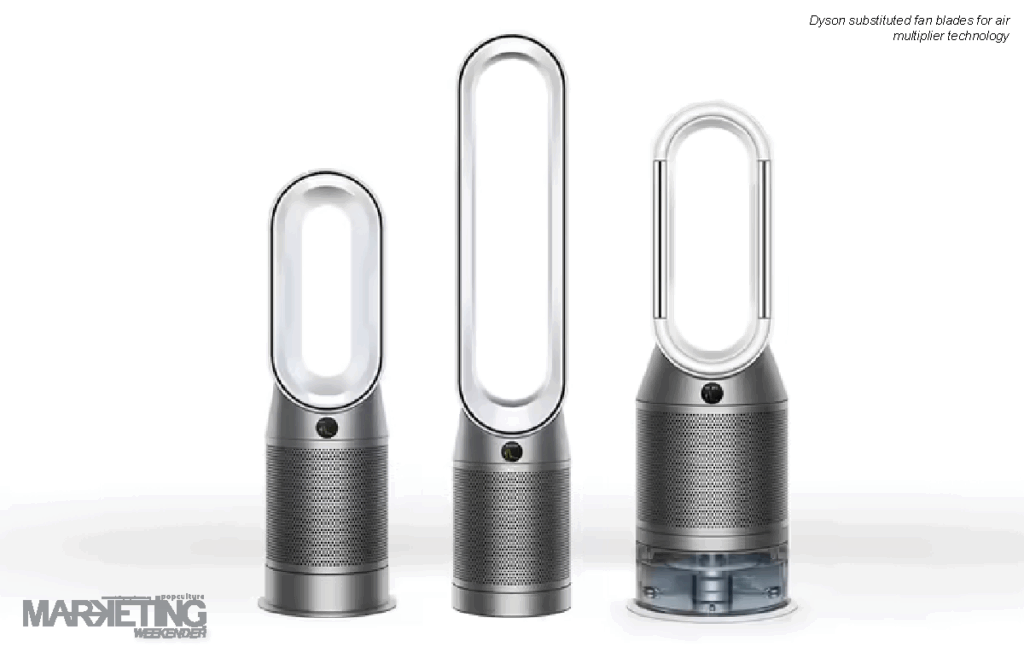
S – Substitute (What can you replace to improve?)
Consider what components, materials or processes you could replace. For example, banks are substituting physical verification for biometrics. Telcos are substituting proprietary hardware with cloud-based software to reduce costs and increase flexibility. Substitution forces you to re-evaluate your current assumptions, processes and practices.

C – Combine (What new combinations can you create?)
This principle involves merging two or more elements to create something new. The smartphone is the classic example, combining a phone, camera, and computer. On a smaller scale, bookstores combine retail with cafés and events to enhance the customer experience.

A – Adapt (What new purpose can you serve?)
Ask how you can adjust an existing idea to serve a new purpose. What can you borrow from another context? The invention of Velcro, inspired by burrs sticking to animal fur, is a perfect example of adapting a natural solution to a human problem.
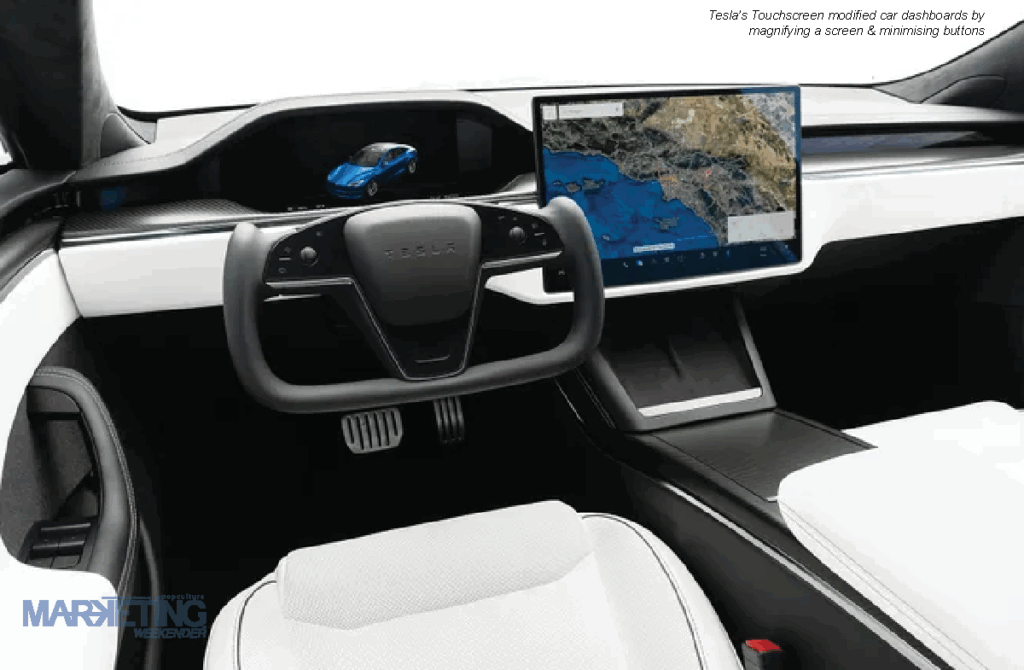
M – Modify, Magnify or Minify (Can you adjust to transform?)
Change the physical or conceptual attributes of your subject. Can you make it stronger, larger or more frequent (Magnify)? Or simpler, smaller, or lighter (Minify)? Televisions have been magnified into home cinema systems and minified into the portable screens on our phones.

P – Put to Another Use (What other needs can you serve?)
Explore new applications for an existing product. What else could it be used for, and who else could use it? Amazon transformed their proprietary infrastructure by discovering that they could rent it out to other companies.
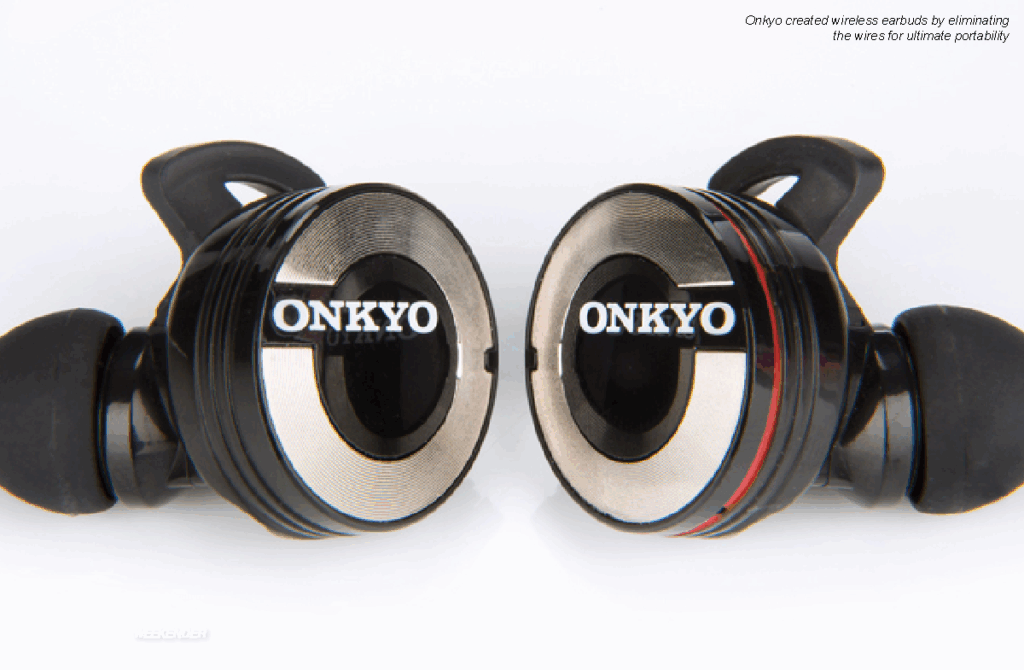
E – Eliminate (How can you simplify to meet new needs?)
What features, rules or steps could you remove? Simplification can lead to cost reduction and a clearer value proposition. Budget airlines famously eliminated free meals and assigned seating to create a new, low-cost travel model.
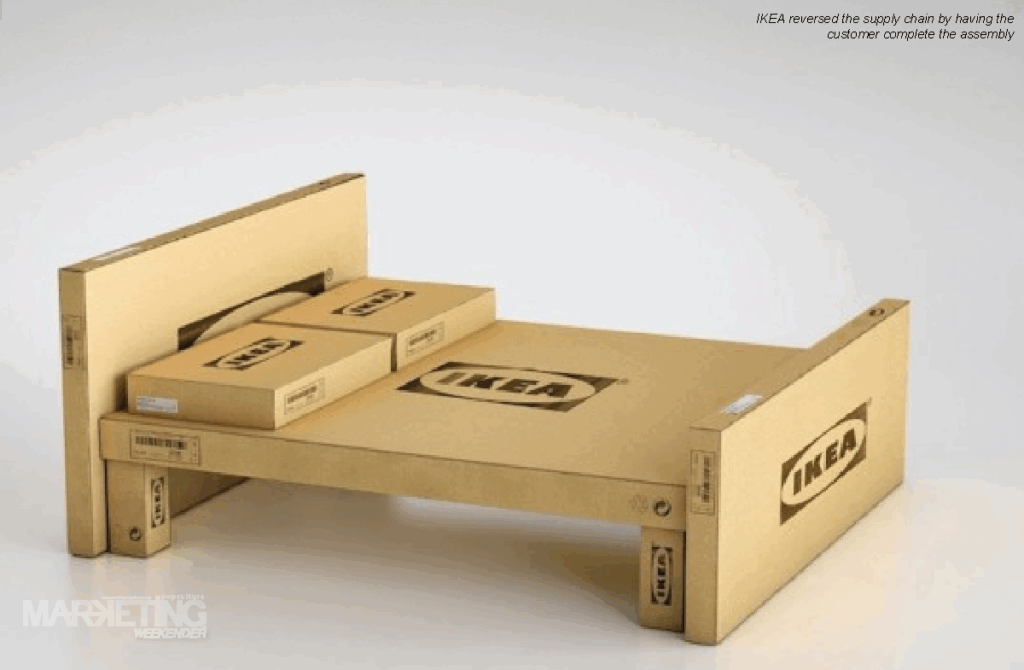
R – Reverse or Rearrange (Can your processes be changed?)
Consider what happens if you reverse the order of a process or rearrange its components. What if you turned it upside down? How can you reverse or rearrange the customer journey? In manufacturing, for example, the assembly line was a revolutionary rearrangement of production that dramatically increased efficiency.
Your Future Starts Now
In 2026, marketers must stop following and start pioneering. SCAMPER is one of dozens of techniques that can help your team to challenge conventions, unlock hidden value and seize competitive advantage.
If you’d like to know more, just get in touch: [email protected]

Chris Jaques is Asia’s #1 Innovation Coach