
Malaysian Brands are not ready…
Brand building in Malaysia has always been a trust business. You earn it slowly through consistent service, familiar codes, and years of showing up. Now AI has introduced a shortcut for the enemy. It cannot steal your brand. It can steal belief in it.
Malaysian brands are not ready because most brand building here has been optimised for visibility, not verifiability.
We are excellent at campaigns, endorsements, and fast content, but weak at the unglamorous plumbing that protects truth, governance, provenance, crisis drills, and clear “single source” official channels.
In a WhatsApp-first country, a believable fake can outrun a careful clarification, yet many organisations still respond like it is 2015, with slow approvals, scattered spokespeople, and no pre-agreed protocol to lock accounts, verify reality, and publish proof fast.
Add to that uneven AI literacy across teams, agencies under cost pressure using tools without guardrails, and leadership that treats AI as productivity software rather than a reputational risk surface. The result is simple.
When the first deepfake hits, the brand will waste its first crucial hours arguing internally about whether it is real, while the public has already decided what to believe.
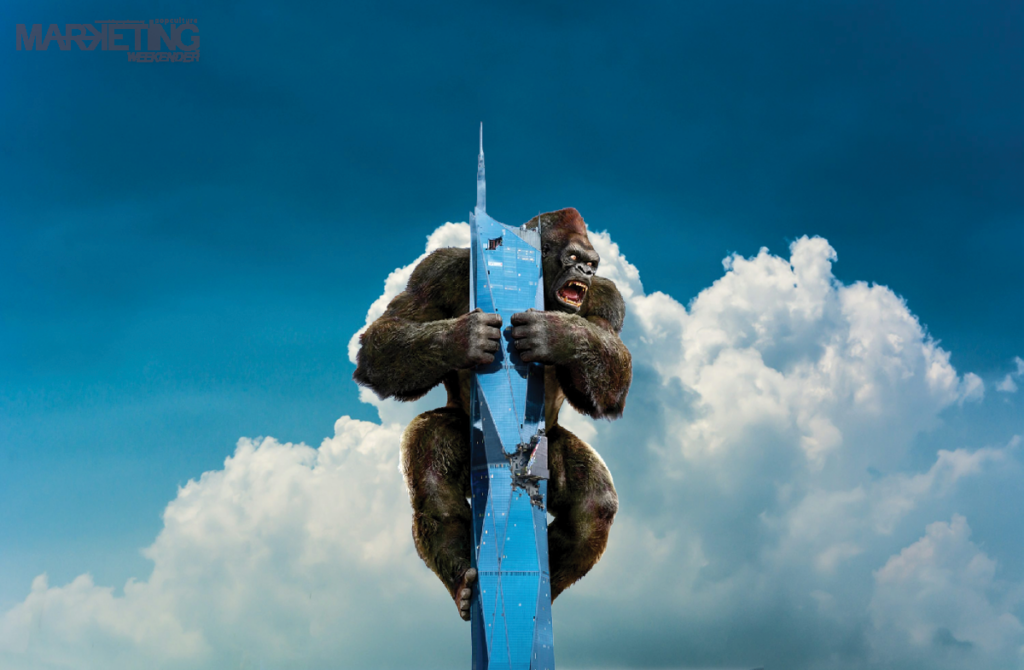
Falsehoods travel faster than facts.
Picture a Monday morning in Kuala Lumpur. A video is trending. A familiar voice is “confirming” a scandal. A logo is visible in the corner. The clip looks like news, sounds like authority, and spreads faster than your comms team can react. By lunchtime, a newsroom is chasing verification, an agency is fielding angry calls, and a brand is freezing paid media.
This is the new reality for Malaysian brand building. Your brand is no longer only what you publish. It is also what can be convincingly forged about you, long enough to travel.
The shift is brutal because it changes the core question marketers are trained to manage. It is no longer “Where did our ads appear.” It is “What is real anymore.”
And if you build brands in Malaysia, you already know what happens when doubt enters the chat. Once suspicion settles in, every future message becomes harder to land. That is why belief has become an attack surface.

Deepfakes are no longer “video edits”. They are performance marketing built for fraud.
The most frightening part is that the mechanics look like marketing. Targeting. Creative. Funnels. Conversion. Only the product is deception.
Malaysia’s Securities Commission warned the public about investment scams using deepfake videos that impersonate prominent personalities and use reputable company names. The SC described how victims are pushed to click through, share details, and get contacted by “agents” who then manipulate them into transferring money or providing more personal information.
Police have also said they were investigating hundreds of fraud cases believed to involve deepfake technology, including voice impersonation, with reported losses in the millions of ringgit.
For Malaysian brand building, this matters because fraud borrows the credibility your category spent decades creating. A scam does not need your permission to wear your face. It only needs your familiarity.
So when marketing teams ask, “Is this a security issue or a comms issue.” The answer is yes. It is a trust issue, and trust is the foundation of Malaysian brand equity.
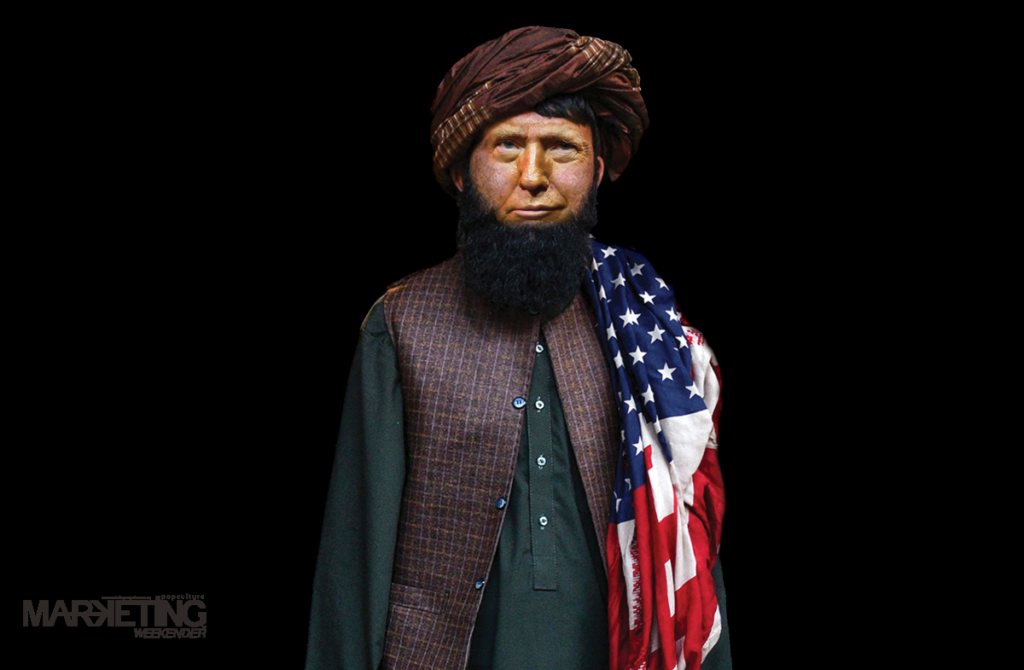
The biggest AI disasters will be self inflicted, not hacker driven.
Now for the part agencies and brands do not like admitting. Many of the ugliest incidents will not come from attackers. They will come from internal haste.
It starts like any other Tuesday in Kuala Lumpur. The agency WhatsApp groups are already alive. A client wants “ten ideas by lunch”, another wants “six TikTok scripts in Bahasa and English”, and someone says what everyone is thinking, “Just run it through AI.”
That sentence sounds like speed. It also sounds like safety. It is neither.
In an agency, the risk is confidentiality and invented proof. One pasted brief can become a leak. One AI drafted case study can quietly fabricate numbers.
In a Malaysian market where pitches are won on credibility and relationships, that is brand suicide. You might “win” a deck today, then lose the trust that keeps your retainer alive tomorrow. Brand building is not only what you make for clients. It is also what clients believe about your discipline.
When a brand’s voice becomes easy to copy, crisis becomes a subscription.
AI can create content that looks legitimate enough to pass as evidence. A fake leaked email. A fabricated screenshot of an internal memo. A synthetic video of a founder confessing to something they never did. A voice note allegedly from customer care insulting a customer tribe. The content does not need to be perfect. It only needs to be believable long enough to travel.
Now place that inside Malaysia’s brand building landscape.
Imagine a bank CEO “announcing” a new fee structure in a deepfake clip. The clip triggers outrage, customers forward it to family groups, and your call centre collapses. Imagine an airline “admitting” a safety issue. Imagine a QSR brand “confirming” a halal breach. Imagine a telco leader “mocking” a particular community. None of it needs to be true to cause damage. It only needs to feel true while it spreads.
Scale is the multiplier. AI collapses cost and effort. The new enemy is not a lone troll. It is scale.
This is why “crisis readiness” becomes a brand building capability in Malaysia, not a PR add on. If you are building brand trust, you are also building your ability to defend it at speed.
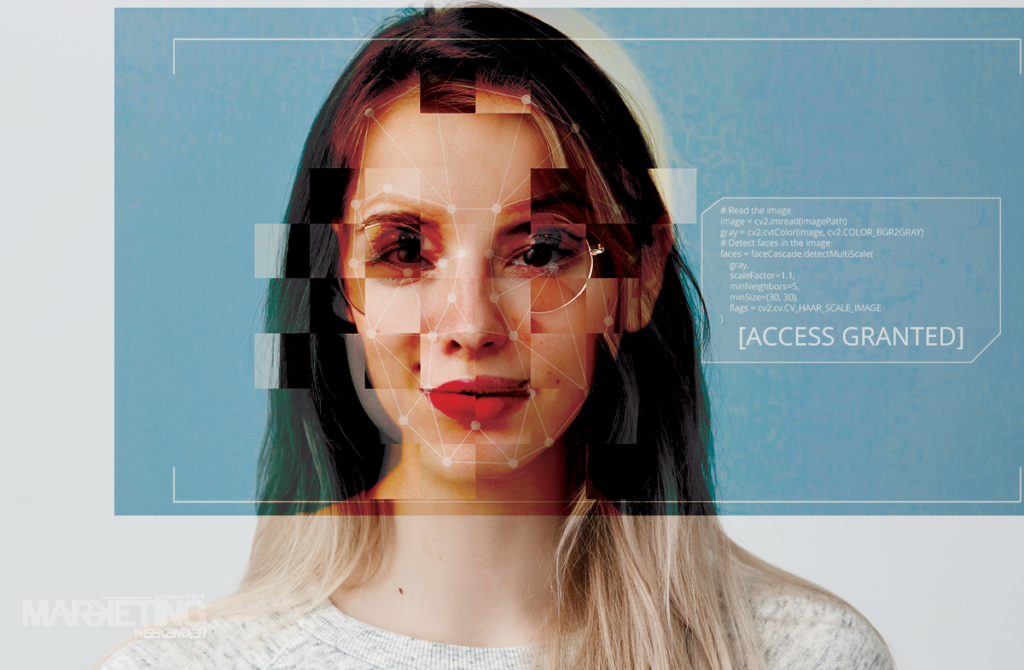
Provenance is the new premium.
Malaysia’s leaders are already pointing to guardrails, including calls for platforms to take responsibility and not allow deepfake content to spread unchecked.
Your own document frames the direction clearly too, with government needing signed official channels and rapid debunk protocols because deepfakes can divide communities before truth catches up.
For Malaysian brand building, the idea to steal is provenance. Build “official reality” signals.
Make it easy for journalists and consumers to verify what actually came from you. Tighten your owned channels. Use pinned “verification posts” that are always current. Build a habit where every major announcement has a single canonical source. In a low trust environment, the brand that can prove authenticity wins attention and keeps credibility.
This is not only about deepfakes. It is also about protecting customer data and internal information because governance is tightening. Malaysia’s PDPA Amendment Act provides that provisions come into operation on dates appointed by ministerial Gazette notification.
Legal briefings and guidance have also highlighted phased commencement and new obligations such as appointing a data protection officer and mandatory data breach notification.
Brand building in Malaysia now includes data discipline. If your team leaks data through prompts or plugins, you do not only have a security problem. You have a trust problem that advertising cannot fix.
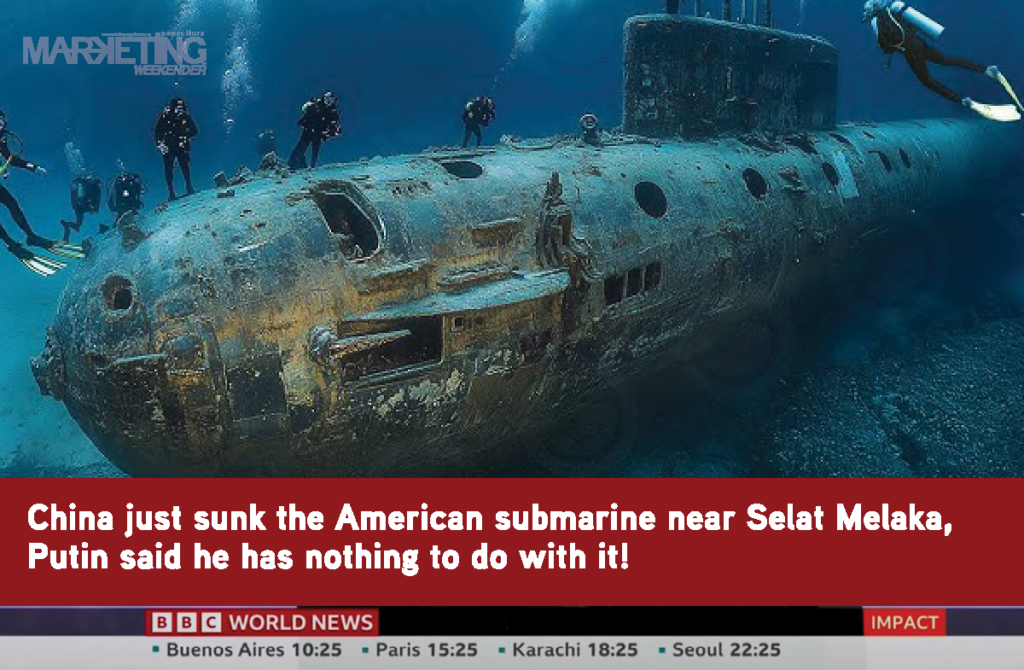
The new crisis plan is operational, not emotional.
So what should Malaysian marketers and agencies do, practically, before the clip lands.
Write an AI Risk Policy like an insurance plan, internal, enforceable, and boring in the best way.
Define the insured assets: reputation and public communications, confidential information and personal data, operational systems like CMS, ad accounts, finance workflows and service bots, plus people’s identities, voices, likeness and credentials.
Define covered events: deepfake or voice clone incidents tied to the organisation, false claims created or amplified by AI, data leaks via prompts or vendor retention, automation misfires like unintended posting or spending, and bias incidents with harmful outcomes.
State exclusions in plain language: no autonomous publishing or spending without a named human approver, no consumer AI tools for confidential briefs or personal data, no training on client or customer data without consent and legal review, no synthetic spokesperson without clearance and a crisis plan.
Add deductibles, mandatory friction: provenance notes on every AI assisted output, second reviewer on sensitive topics, out of band verification for payments and access changes.
Then drill the claims process: activate one owner, one channel, one log. Contain by pausing automation and locking accounts. Verify with trusted sources and forensics if needed. Communicate verified updates and corrections with proof. Recover by fixing root cause and retraining teams.
That is what brand building in Malaysia looks like in 2026. Not just big films and big media. It is operational trust. Because in the new era, the brand that survives is not the loudest. It is the one whose truth can still be proven, on an ordinary Monday, inside the WhatsApp group where belief is decided.
Lock accounts, verify reality, then speak.