There’s a question that keeps turning up in Malaysian marketing circles like a bad catered sandwich at a “strategy offsite”.
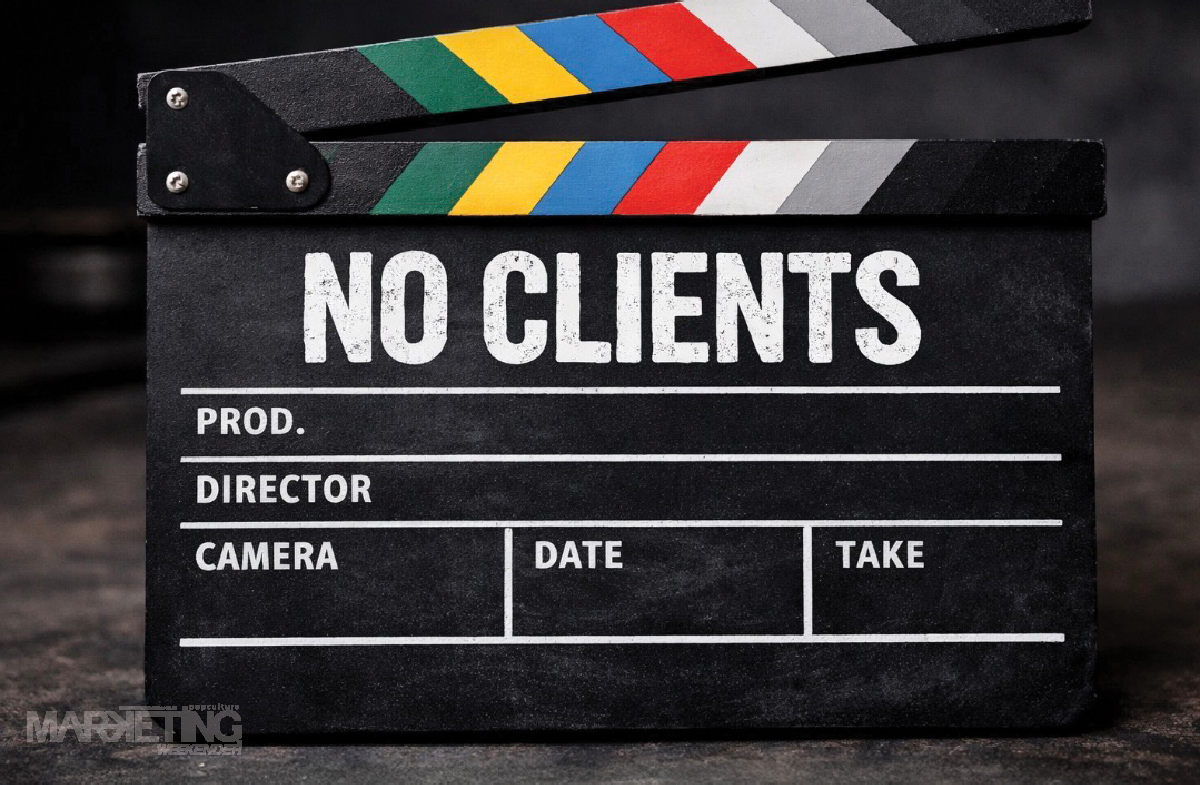
Should the CMO attend the TVC shoot?
Not the storyboard sign-off. Not the budget approval. Not the “please ensure legal is looped in” email.
I mean actually turning up on set. At 6am. In a folding chair. Pretending you’re not cold. Pretending you’re not irritated. Pretending you’re not silently calculating how many internal meetings you’re missing.
Some CMOs treat set visits like a sacred ceremony. Others treat it like an unscheduled punishment.
Both are correct. Both can also be a disaster.
Because a TVC shoot is not where you “make content”.
It’s where your brand’s dignity gets tested under harsh lights.
It’s where your beautifully written brief meets a very real world that does not care about your deck.
And it’s where one tiny decision can turn “premium” into “promo”.
So let’s talk about the pros and cons, without the corporate incense.
Why a CMO should attend
1) Because the brand can’t defend itself
On set, tiny things become massive. A wardrobe colour. A prop choice. A line reading. A facial expression.
One wrong note and your brand goes from “aspirational” to “uncle trying too hard” in 3 seconds flat.
When the CMO is there, the brand has its top interpreter in the room. Not a WhatsApp chain. Not a junior exec trying to guess what “more elevated” means.
2) Because shoots are expensive and indecision is costlier
When the decision-maker is present, things move. Questions get answered. Problems don’t mutate into reshoots.
A CMO on set can prevent the classic Malaysian tragedy.
“We’ll fix it in post.”
Translation: “We’ll cry about it later.”
3) Because it upgrades the agency relationship
When a CMO shows up and respects the craft, it changes everything.
The team feels supported, not policed.
The agency feels trusted, not trapped.
And trust is what buys brave work in a market that often worships safety like it’s a KPI.
4) Because leadership isn’t a calendar invite
Your team watches what you do, not what you say.
Turning up tells them: “This matters.”
And sometimes that’s the difference between “just another TVC” and work people actually fight for.

Why a CMO shouldn’t attend
1) The “client-on-set” effect is real
Let’s not lie to ourselves. Some CMOs walk onto set and suddenly everybody gets… polite.
The director stops taking risks.
The agency starts defending.
The client team starts panicking.
And creativity shrinks to the size of a compliance form.
If your presence makes the room quieter, you’re not adding value. You’re draining oxygen.
2) CMOs are not directors. Please don’t cosplay one
A shoot has specialists for a reason.
Director. DoP. Producer. Creative lead.
If a CMO starts debating lenses, camera moves, or lighting like they’re auditioning for a film school role, the set becomes confused.
And confused sets create mediocre work.
Mediocre work is very expensive to produce.
3) The calendar cost is not small
A shoot day is not “a quick drop-in”.
It can swallow your attention, your patience, and your week.
If the organisation needs you solving bigger problems, the set visit becomes a symbolic gesture with a very real opportunity cost.
4) If you have to attend because you don’t trust your process, that’s your real problem
Many CMOs attend shoots because approvals are messy, alignment is weak, and everybody is terrified of being blamed later.
That’s not a production issue. That’s a leadership and system issue.
A shoot can’t fix a broken workflow. It can only expose it, in HD.
So, should they attend?
Here’s the smarter version of the question.
If you attend, what version of you is showing up?
If you show up as a brand guardian.
Clear, calm, decisive. Protecting intent. Removing friction. Supporting your team.
Then yes, go. Even if it’s just for the first key setups.
If you show up as a shadow director.
Rewriting live, micromanaging craft, and triggering nervous compliance.
Then please stay in the office. Or better, stay at home and let adults work.
Go for the moments that matter: first setup, hero product shots, sensitive claims, cultural nuance, or reputation risk scenes.
Nominate one client voice: not a committee of WhatsApp ghosts.
Set decision rights upfront: what the CMO decides, what brand decides, what agency decides.
Bring one rule: if you’re not improving clarity, you’re creating noise.
A TVC shoot is where campaigns are won. Or quietly ruined while everyone smiles and says, “Ok can.”
The best CMOs know when to show up.
And when to trust the people they hired, before they turn a film set into a meeting room with better lighting.