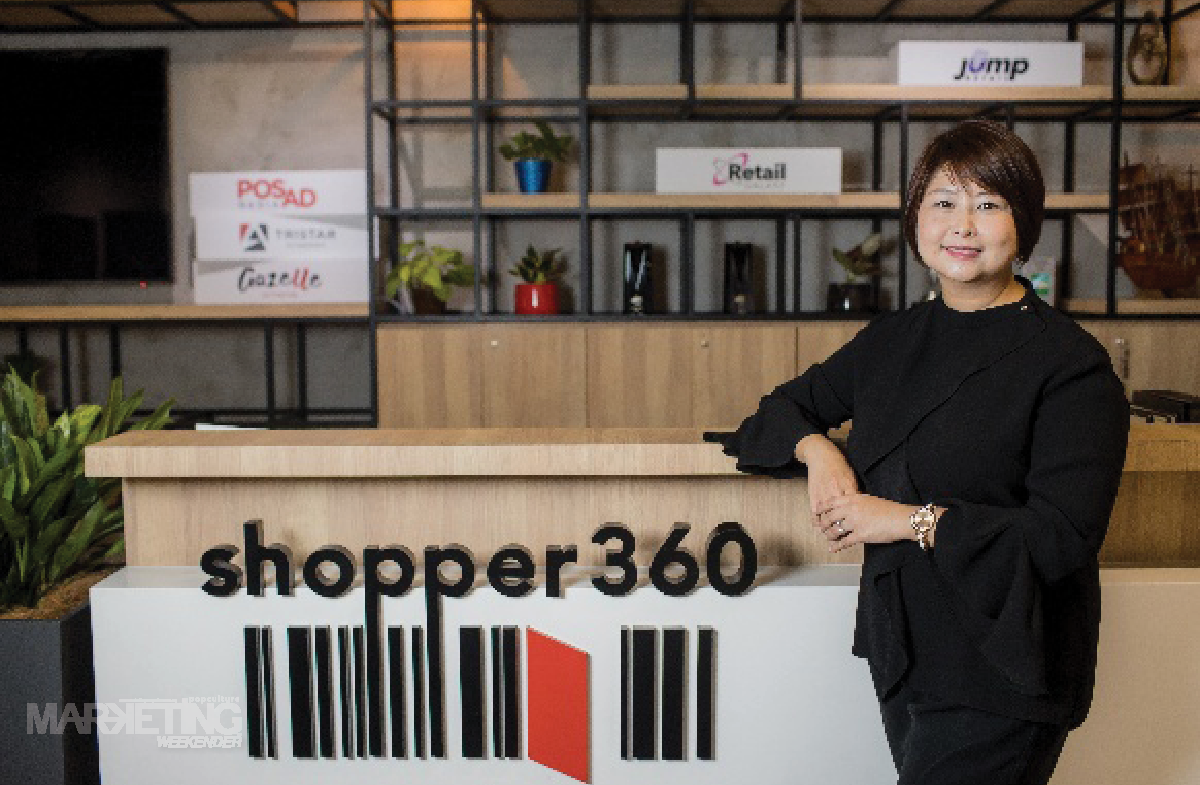
Retail doesn’t have a visibility problem, it has a conversion problem. Shopper360 exists to solve that by engineering retail environments that influence decisions where they matter most: in-store, at shelf and within seconds of purchase.
In the broader Out-of-Home ecosystem, few environments are as commercially potent, or as misunderstood, as the retail floor.
For decades, retail was treated as the final step in a predictable funnel. A highway billboard builds memory, a transit screen captures attention, but retail media operates at the point of transaction where exposure and economic outcome collapse into the same moment.
Retail is the only OOH environment where persuasion can translate into purchase within arm’s reach. That proximity should make retail the most powerful media channel in the mix. Instead, it has become one of the most complex.
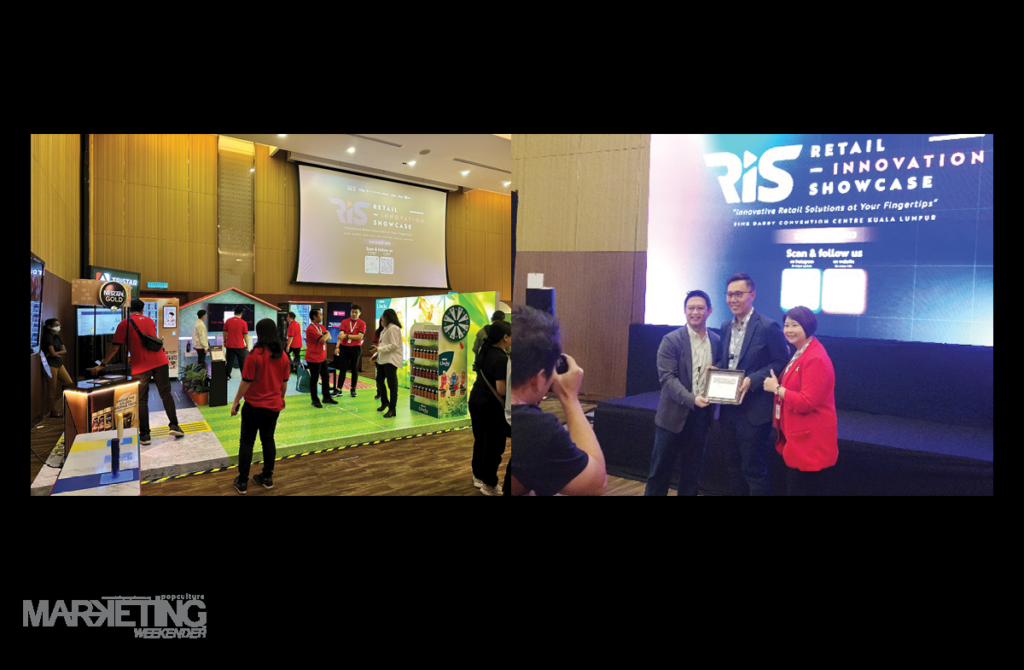
Shopper360’s focus on retail innovation isn’t abstract. Its 2023 Retail Innovation Showcase in Malaysia brought fresh technologies into industry view — a signal of where the future of retail influence is headed.
The Myth of Automatic Conversion
The retail environment today is structurally different from a decade ago. Shoppers arrive pre-informed, often with price comparisons already completed. Brands now have seconds, not minutes, to assert relevance.
Price transparency heightens competition, while private labels exert sustained margin pressure. Retailers are professionalising their own media networks, formalising placements and demanding performance accountability. As a result, brands now operate under fragmented attention and increasing scrutiny over return on investment.
In-store media and activation must demonstrate clearer attribution and commercial accountability, not just visibility.
The irony is clear: the closer media moves to transaction, the less forgiving it becomes. While a billboard can absorb creative inefficiency, retail cannot. If stock is unavailable, if displays are misaligned, if promoters are disengaged, conversion collapses.
Retail is not just a communication channel, it is an operational environment, and that fragility is where most in-store campaigns quietly fail.
Execution inconsistency remains a persistent leak, with campaigns that perform in flagship outlets often faltering in secondary locations due to staffing gaps, poor display compliance or uneven retailer support.
The last metre is the hardest. And this is the tension Shopper360 has built its business around.
From Space to System
Shopper360’s origins date back to 1986 as Pos Ad, a pioneer in Malaysia’s in-store media landscape, long before “retail media networks” became industry shorthand. But longevity is not the differentiator, systems thinking is.
To treat retail as a space to occupy is to misunderstand it. Retail is a behavioural system composed of visibility, availability, advocacy and context. In this environment, success depends less on isolated creative ideas and more on systemic reliability.
This is why Shopper360 evolved beyond display assets into a full-spectrum shopper marketing infrastructure.
Creative development is anchored in shopper insight. Retail consultancy and data analytics identify friction points through audits, price checks and performance diagnostics. In-store media and audio reinforcement are deployed not as noise, but as salience triggers at moments of choice.
Crucially, field force management, merchandising and Employer of Record manpower services close the execution loop. Stock presence, display compliance and promoter engagement are treated as conversion levers rather than administrative functions.
As a public-listed entity, Shopper360 operates under heightened governance, audit compliance and financial disclosure standards; all critical for multinational clients navigating global procurement protocols. Compliance across tax, audit and ABC policies is no longer optional, it is foundational.
With offices and field teams across Malaysia, the group can scale quickly when projects expand, rather than assembling fragmented third-party networks.
This infrastructure enables campaigns to roll out with territorial consistency rather than relying on fragmented third-party coordination.
The philosophy is simple: retail influence cannot be rented, it must be engineered and governed.
The 4Cs of Conversion
That systems-led philosophy extends beyond operational discipline into experience design. Within Shopper360, ShopperPlus applies its 4C framework of Catch, Connect, Convert and Continue to transform retail from passive environment into participatory space. The objective is simple: turn footfall into engagement, and engagement into sustained sales.
This thinking reframed the Oreo x BabyMonster campaign. Rather than a static in-store presence, retail became a touring cultural event inspired by the energy and community of K-pop. The activation moved across key locations, creating anticipation and drawing crowds through scale, mobility and fandom engagement rather than conventional display mechanics.
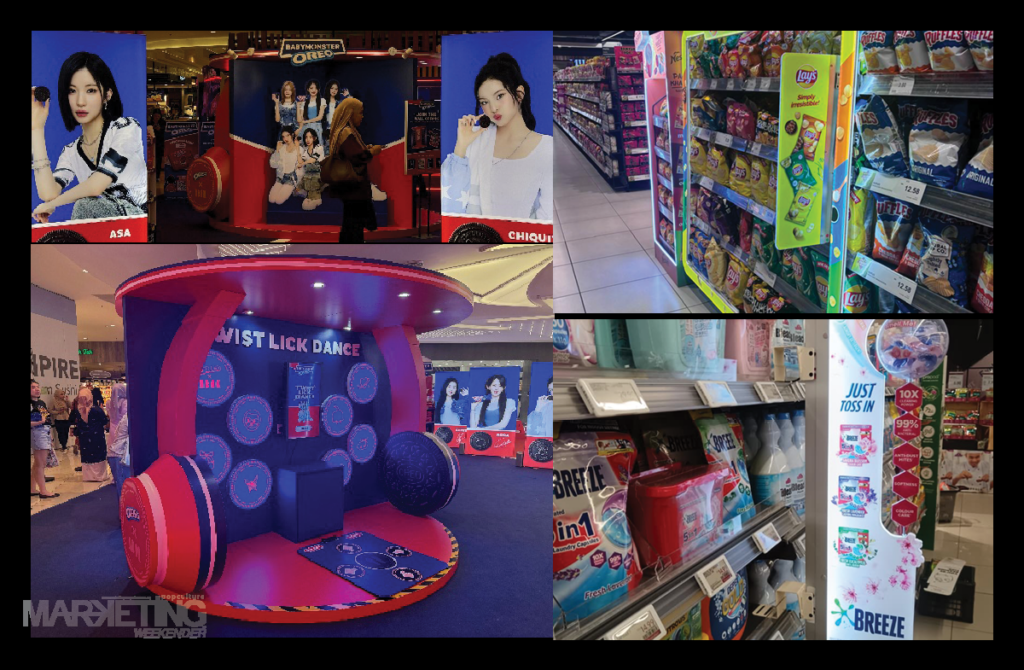
Fans stepped into tribute walls, dance-led interactions and social sharing moments that mirrored how they engage online. Limited-edition flavours, collectible photocards and instant “buy, selfie & win” mechanics collapsed experience directly into transaction.
Crucially, each stop extended beyond the store through digital amplification, turning every location into both a sales driver and a content engine. Retail was not treated as the final touchpoint. It became the centre of gravity where culture, commerce and community intersected in real time.
The result exceeded targets by 30%, demonstrating how engineered participation can translate directly into commercial uplift.
Retail as a Performance Channel
Retail is no longer the end of the media journey. It is the moment where every upstream decision is tested. And for marketers measured on incrementality and contribution, there is no insulation between strategy and sales.
The biggest mistake brands continue to make is treating retail as either a branding extension or a pure sales mechanic. In-store is both. Retail is not the place to choose between brand and performance. It is where they must integrate.
The shift is structural, not cyclical. Retail networks are formalising, accountability is tightening, and the tolerance for inefficiency is shrinking. In that environment, influence cannot be improvised. It must be built into the system, from insight to activation to execution.
Shopper360’s evolution reflects that recalibration not as a media vendor, but as an operating partner in the final metres of commerce.
Retail is harder because it is closer to revenue. And that proximity is precisely what makes it decisive.