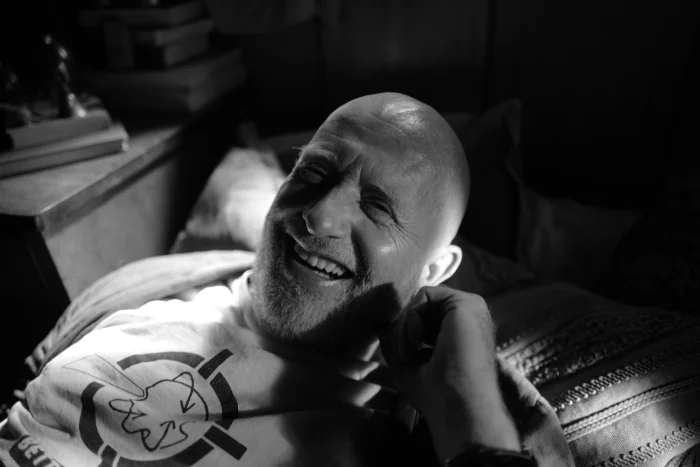
By Mark Tungate; Photo by Fredrik Bond
“No Project Without Drama” for DIY retailer Hornbach turned advertising into theatre, setting the stage for a Film Grand Prix for HeimatTBWA\
Even if you don’t live in Germany, if you’re any kind of advertising fan you’ll have heard of Hornbach. The home improvement retailer’s campaigns have entered the realm of industry legend – and for 25 years they’ve been created by the agency Heimat (today HeimatTBWA\).
Overseeing them is Guido Heffels, the agency’s co-founder, who regularly plays on what he calls the “punk ethos” of the brand. The rawness of handmade. “When I think about DIY, I think of those original small record labels selling a thousand copies of their first pressings,” he explains.
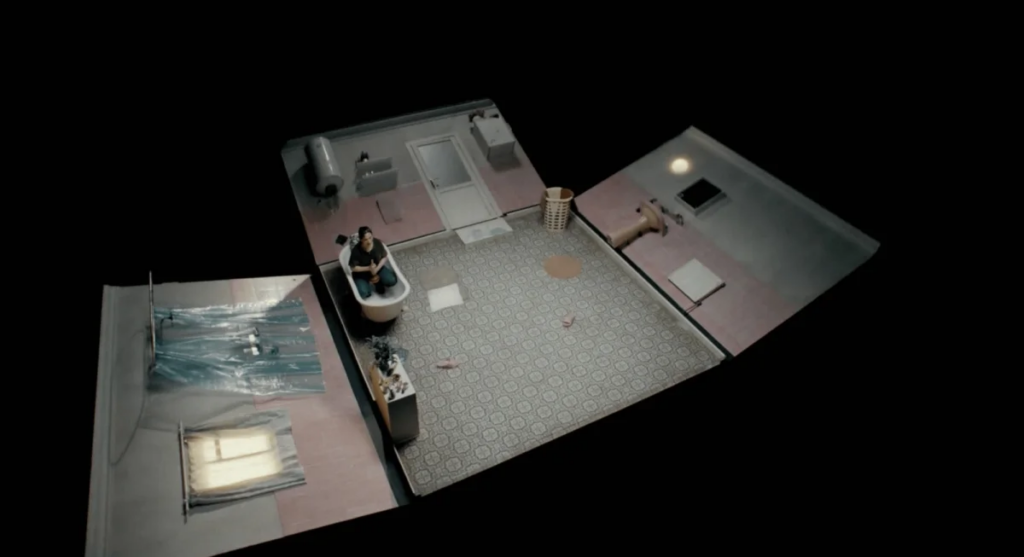
Hornbach’s award-winning film, “No Project Without Drama”, could easily be a music video. Scratch that: it’s a full-blown opera brought to the screen. As it’s impossible to describe, immerse yourself here.
Despite working for the brand for 25 years, Guido says he doesn’t want to make a big deal of the anniversary. “There’s a danger of nostalgia, of saying ‘Oh yeah, back in the day it was like this, but now it’s like that.’ We always prefer to look to the future.”
Topicality and creativity
Even so, plenty of agencies would love to keep a client for 25 years. Does he have any tips? “The main point is, never accept the status quo. It’s like in human relationships: you have to work at them and surprise your partner with something they’ve never thought of. That’s what keeps it fresh.”
HeimatTBWA\ certainly succeeds in doing that with Hornbach. Guido says the agency usually has a handful of ideas stewing at the same time, sometimes dating back five years or more, but puts them into action when the time feels right.
He gives the example of “Let Nature Do the Job”, from spring 2023. With inflation taking its toll on budgets, Hornbach urged people to refrain from rushing out to buy plants and tools, and simply leave the task of gardening to nature.
The “No Project Without Drama” film was born out of a desire to be honest. “When we look at how some of our competitors advertise, they often lie a bit, because they make it look too easy. But it’s never easy – there’s always drama. You want to take down a wall, but who put that wiring in there? So we show the truth, but take it to the next level, with a surreal wrapping to give it a language that’s interesting for people and brings out the humour.”
In the era of AI, it’s no coincidence that the film’s sets, built in Vilnius, were constructed entirely by hand. “We had a great crew of people who worked on two different sets for weeks. The biggest challenge was making it affordable, but somehow they managed.”
The production company was Tempomedia, who’ve worked with the agency before. “We have a bunch of production companies we love to work with, and what puts Tempomedia on the list is their love for film. Their first question is never ‘What’s the budget?’ It’s always, ‘What’s the idea? And then we’ll make it possible, because there’s always a way.’”
From comercial to passion project
You’d imagine that such a complex film was tightly written and choreographed from the start. But no. “When we talk to directors and production companies, we limit it to two sentences, two phrases, just the core of the idea. We don’t send storyboards. We sometimes use one or two images to illustrate what we’re thinking, and then we’re open to suggestions.”
In this case the film’s director, Lope Serrano, had a huge influence on the finished product. “Originally we wanted it to be more of a dance experience, but he said, ‘No, it should be a Greek chorus – and let’s use a real choir.’ He added so much.”
The choir was assembled from local artists, and there were a lot of rehearsals before shooting. “That’s how we found out, ‘Wow, interesting, we can create waves out of the choir as well.’ So during the process, we kept giving them a bigger, and bigger, and finally fundamental role within our commercial.”
Guido reveals that the shoot was scheduled for three days, but when it overran, Lope offered to continue for a fourth day free of charge because he loved the project so much.
“Directors like Lope are the reason I never think that one day I’ll become a director, because they’re so genius that I’ll never ever be able to compete with them…They can already see what will be on the screen before they’ve shot it. I told Lope I wanted the feeling of the film to be Barcelona Short Film Festival, 1982.”
DIY on the big screen
While the basic idea for the film had been around for two or three years, the final project was completed in six months. The artistic freedom given to the production company meant that the commercial kept getting longer during the shoot, until there was enough for a two-minute-plus epic.
Guido says: “Of course we also had 45 second and 30 second versions, which worked pretty well. But here’s why I love this client: when he saw the longest version he had tears in his eyes, and he said, ‘We have to put it cinemas – this is a cinema film.’”
When Guido eventually saw the film in a cinema, what happened next surprised even him. “I’ve never experienced this – and I’m not making it up – but I saw people applauding for this commercial.”
He admits it’s rare for all the elements to come together to form a perfect piece of commercial art. “Something like this happens, and I swear to God it will not happen again within the next three years or more. But you always have to compete with yourselves in this business, and that’s why we’ll come up with something totally different.”
Of course it will look as little like advertising as possible, with no easy claims about prices or quality. And whatever it is, the audience will love it.
As Guido puts it: “We turned this whole campaign into entertainment.”