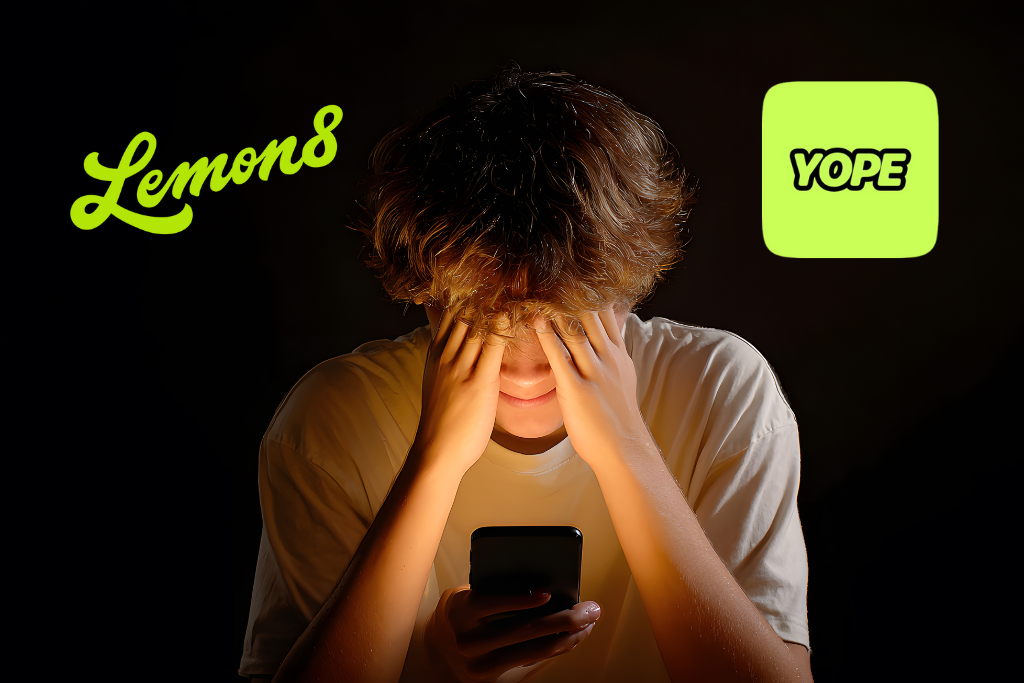
Australia wanted to protect its teens — but instead, it may have just pushed them somewhere harder to supervise.
On 10 December, Australia became the first democracy to impose a national under-16 social media ban, forcing platforms like TikTok, Instagram, and YouTube to restrict accounts belonging to young teenagers or face fines approaching A$49.5 million.
On paper, it looks decisive — a government stepping in where platforms have dragged their feet for years.
But the first real behavioural signal arrived almost immediately: teens didn’t log off.
They migrated.
That single behaviour shift is the warning shot brands, marketers, regulators, and even parents can’t afford to ignore.
The Silent Winners: Alternative Platforms Surge
Within hours of enforcement, Australia’s App Store ranking flipped.
The new chart royalty isn’t TikTok or Instagram — it’s Lemon8, the TikTok-owned Pinterest-meets-Instagram platform now sitting at No. 1 among free downloads.
Right behind it: Yope (a private friends-only sharing app) and Coverstar, a self-described “kid-safe alternative to TikTok” targeted at ages 9 to 16.
Three things jump out:
If Gen Alpha was the first generation to grow up algorithmically raised, this moment may mark the beginning of a rebellion — not against content, but against corporate and government visibility.
For Marketers: The Landscape Just Fragmented Overnight
For Malaysian and regional marketers watching from afar, this shift matters for one reason: Platforms aren’t losing teens — they’re losing reach.
The traditional playbook — mass eyeballs on public platforms — is weakening fast.
Instead, the emerging ecosystem looks like this:
| Platform Type | Example | Marketing Reality |
| Closed friend networks | Yope | Nearly impossible to run ads; requires creators and community seeding |
| Niche interest platforms | Lemon8 | Content-first influence, less scrolling, more intentional discovery |
| “Safe mode” platforms | Coverstar | Brand partnerships likely, but heavily moderated and slower to scale |
| Shadow consumption (VPNs, burner accounts) | Not trackable | The dark forest of youth internet behaviour |
This signals a dramatic shift in youth digital culture — from broadcast identity to private circle belonging.
Gen Z performed for the algorithm.
Gen Alpha may be performing for each other.
Safety Is the New Arms Race
Every major tech platform has spent years talking safety, moderation, mental health, and digital wellbeing — but largely as PR positioning rather than foundational experience.
Australia’s ban forces a reframing: Safety is no longer a feature — it’s a business model.
Coverstar knows it. So does Yope.
Expect a wave of:
For the first time, regulation may shape platform design — not the other way around.
The Uncomfortable Question: Does This Actually Help?
Critics will argue — with some evidence — that bans create:
The first 24 hours already suggest that behaviour is evolving faster than policy can adapt.
Regulation can block a platform.
It cannot block desire: validation, belonging, connection, identity formation.
Those emotional drivers remain undefeated.
The Takeaway for Brands and Agencies
This story isn’t about Australia.
It’s about the future.
A future where:
In other words: The era of mass youth marketing may be ending, replaced by an age of permission-based influence.
Australia’s teen ban will be debated for years — ethically, politically, and psychologically. It may inspire copycat legislation; it may collapse under loopholes. But for marketers, one fact is already clear:
Gen Alpha isn’t disappearing.
They’re just going somewhere you can’t follow — unless you’re invited.
That changes everything.
Share Post:

Haven’t subscribed to our Telegram channel yet? Don’t miss out on the hottest updates in marketing & advertising!