

The courtroom battle now unfolding between Shein and Temu in London is more than another intellectual property dispute.
It is a glimpse into what happens when the world’s most aggressive digital retail models finally collide head-on. At the centre of the case is an accusation that sounds almost ironic in the fast-fashion universe itself: copying.
Shein alleges that Temu used thousands of its product photographs to market copycat clothing on its platform, effectively piggy-backing on the creative and commercial momentum Shein had already built.
Temu, in turn, argues that the lawsuit is less about protecting creativity and more about slowing down a dangerous rival that has been growing at breakneck speed.
For marketers watching from the sidelines, the significance of this battle stretches far beyond the legal arguments being traded inside London’s High Court.
It raises uncomfortable questions about originality, platform power, digital trust and the increasingly blurred lines between inspiration, imitation and outright replication in global commerce.
The Battle of the Algorithms
Not too long ago, fashion retailers competed through storefronts, glossy campaigns and seasonal collections.
Today, companies like Shein and Temu compete through algorithms, data velocity and ruthless supply-chain responsiveness.
The real battlefield is no longer merely the product. It is attention. Both brands built global momentum by mastering the mechanics of digital behaviour.
Endless scrolling. Low prices. Rapid trend replication. Hyper-targeted recommendations. Addictive app design. The psychology of “buy now before it disappears”.
Yet the latest legal clash exposes the vulnerability at the heart of this model. When speed becomes the defining advantage, the temptation to shortcut creativity becomes dangerously high.
Shein’s lawyers described Temu’s alleged actions as copyright infringement “on an industrial scale”.
That phrase alone carries weight because it captures how industrialised digital commerce has become. We are no longer talking about a few copied designs or borrowed visuals.
We are talking about automated ecosystems capable of reproducing trends, imagery and products at extraordinary scale and speed. And that changes the stakes entirely.
Fast Fashion’s Trust Problem
For years, consumers largely ignored the ethical grey zones surrounding ultra-fast fashion as long as the prices remained irresistible.
But global sentiment is slowly shifting.
Regulators in the United States and Europe are increasingly scrutinising cross-border e-commerce practices, supply chains and low-value parcel loopholes that helped fuel the explosive rise of companies like Shein and Temu.
The removal of US customs exemptions and similar European measures arriving in July could reshape the economics of ultra-cheap online retail altogether.
At the same time, younger consumers who once enthusiastically filled their carts with impulse purchases are beginning to ask harder questions.
Who made these products? Why are they so cheap? How sustainable is this endless churn of disposable fashion?
Now another question emerges: who actually owns the creative work?
Ironically, fast fashion — long criticised for borrowing heavily from independent designers and luxury houses — is now facing its own internal reckoning over originality and ownership.
A Marketing War Disguised as a Legal One
What makes this case fascinating is that it is also a branding war. Temu has rapidly evolved from being perceived as a bargain-basement marketplace into a genuine global challenger.
Its aggressive advertising, including major Super Bowl exposure in the US, has helped catapult the platform into mainstream consumer consciousness.
That rise threatens incumbents including Shein itself.
Temu’s counterargument that Shein is weaponising litigation to slow competition introduces another layer to the story. In digital markets where scale and momentum matter enormously, legal action can become part of competitive strategy.
Consumers may not follow every detail of the London trial, but they will absorb the broader narrative. And perception matters.
Brands built on affordability and convenience still rely heavily on trust.
Once consumers begin associating a platform with counterfeit culture, exploitative practices or creative theft, reputational damage can travel quickly online.
Especially among Gen Z audiences who are simultaneously price-sensitive and image-conscious.
The Human Cost Behind Endless Cheapness
Lost beneath the headlines and courtroom rhetoric are the workers, designers, photographers and creative teams sitting underneath these vast digital ecosystems.
Every product photograph represents labour. Every design carries human effort. Every trend replicated at machine speed potentially compresses somebody’s creative livelihood further down the chain.
The legal fight between Shein and Temu may ultimately revolve around copyright law, but culturally it reflects something much bigger: the exhaustion of an economic model built on infinite duplication at infinite speed.
The irony is impossible to ignore. Two companies that mastered the art of rapid replication are now accusing each other of copying. Perhaps that says more about the state of global commerce than either side intended.
Share Post:
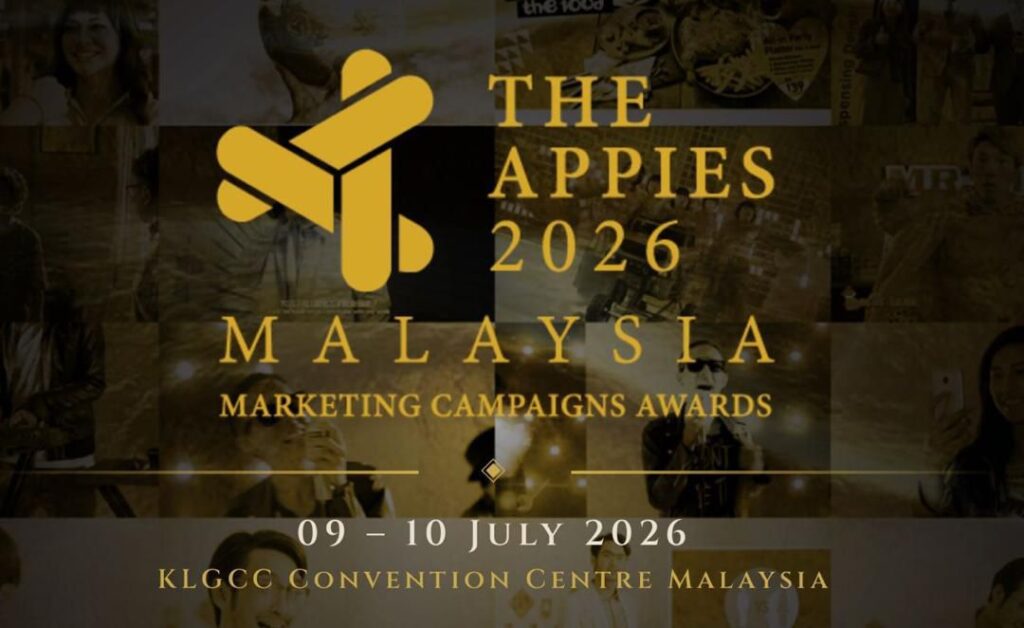
The APPIES is where Malaysia’s boldest campaigns, brightest ideas, and most impactful storytellers take the stage.
More than an awards show, it is the industry’s ultimate platform for creative, media, digital and marketing excellence, where live presentations meet live judging.
This is your chance to showcase work that moved audiences, shaped conversations, and delivered real results.
From breakthrough brand campaigns to innovative digital experiences, the APPIES celebrates the work that defines the future of marketing.
Step into the spotlight alongside the industry’s leading agencies, brands, creatives, strategists and changemakers.
Whether you are aiming for Gold, Silver, Bronze or the prestigious Best of the Best recognition, this is your moment to make history.
Your campaign deserves to be seen.
Your ideas deserve the stage.
Your work deserves the legacy.
KEY DATES
Haven’t subscribed to our Telegram channel yet? Don’t miss out on the hottest updates in marketing & advertising!


