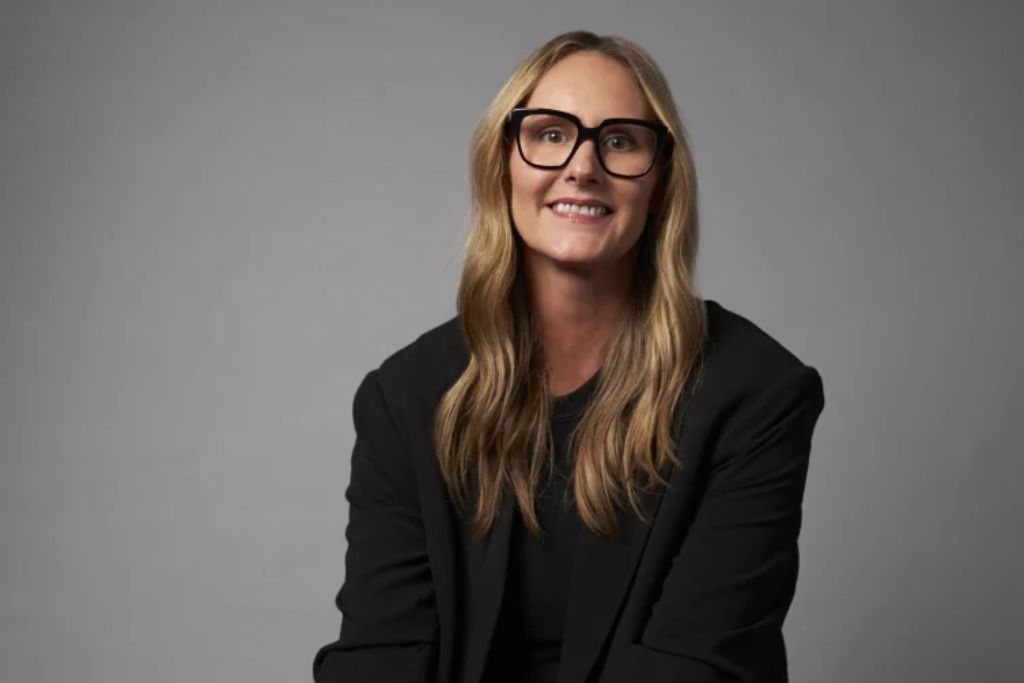
By India Fizer
INNOCEAN USA’s Barb Sanson on timelines, technology, and making smart trade-offs
While technology continues to reshape how content is made, INNOCEAN USA’s VP Group Director of Production, Barb Sanson, believes the core of great production remains unchanged. She explains why alignment, experience, and human judgment are still essential to delivering work that meets creative, budgetary, and timing expectations.
In an age of endless content, what still defines good production for you?
Good production, to me, means delivering on the creative idea no matter the size of the project. More often than not, budgets are tightening, but it’s still our responsibility to provide thoughtful options for execution.
Strong production is also about people and fundamentals. A cohesive team working toward a shared creative goal is what allows projects to move efficiently without losing focus or quality. When alignment is clear, production becomes a partner to the creative rather than a constraint. At the end of the day, hitting timelines, staying on budget, and delivering work that holds up creatively are still the measures of success.
How have accelerated timelines—driven by constant distribution and audience demand—changed the way your team plans and executes production?
As timelines continue to shrink and content deliverables increase, early involvement from production has become critical. Bringing production in sooner allows the producer and project team to start thinking through the realities of the job early flagging risks, identifying opportunities, and shaping the right approach before things are locked.
Timelines rarely stay static. They shift and evolve many times before a project is awarded, which makes early planning even more valuable. When production has the space to think ahead, rather than reacting in the moment, teams are better equipped to adapt without losing control of quality, budgets, or schedules. That upfront thinking has a direct impact on how smoothly a project runs once it’s in motion.
As audiences expect more content across more platforms, has producing at scale reshaped your budgeting decisions, resource allocation, and approach to personalization?
From my experience, creative ideas that can travel across channels without a lot of rework make scale possible, so we can personalize with intention and keep the pipeline flowing. Production content, deliverables, and budgets don’t always line up, so we make deliberate trade‑offs and stay transparent about what’s possible. That means locking the deliverable list early, mapping how assets move across channels, and setting the right mix of in‑house capabilities and cost‑effective partners. The goal isn’t to just make more content it’s to build and maintain a workflow that’s efficient and makes the most of the resources we have.
How does your team approach the adoption of AI to create more relevant content without sacrificing creative quality?
Everything starts and ends with people. We are using AI as a tool grounded in responsibility, intention, and craft. While the technology continues to evolve, we are actively integrating AI where it adds real value while keeping human creativity and judgment at the center of the process. We evaluate AI tools case by case, ensuring they are ethically sourced and aligned with brand, legal, and creative standards. Used thoughtfully, AI becomes one of many tools in the production/creative toolkit, helping teams meet increasing content demands and budget realities without compromising creative integrity.
As automation, AI, and virtual production become standard tools, what new skills do you think production teams must develop to stay effective and creatively competitive?
For production teams, a big part of staying effective today comes down to technical literacy. Producers do not need to be experts in every platform, but they do need to understand the growing tools being recommended well enough to ask the right questions, guide the work, and explain the process clearly to clients and internal teams. If you know the basics of how the content is being created, it becomes much easier to address legal considerations, set expectations, and troubleshoot issues before they become problems.
It is also important to understand the realities and limitations of generative workflows, especially around consistency, control, and repeatability. These tools are evolving quickly, and staying current allows production teams to offer smart options rather than chase trends. At the end of the day, the role of production has not changed that much. It is still about protecting the creative, using experience and judgement to make the right calls, and delivering strong work on time and on budget.
Share Post:
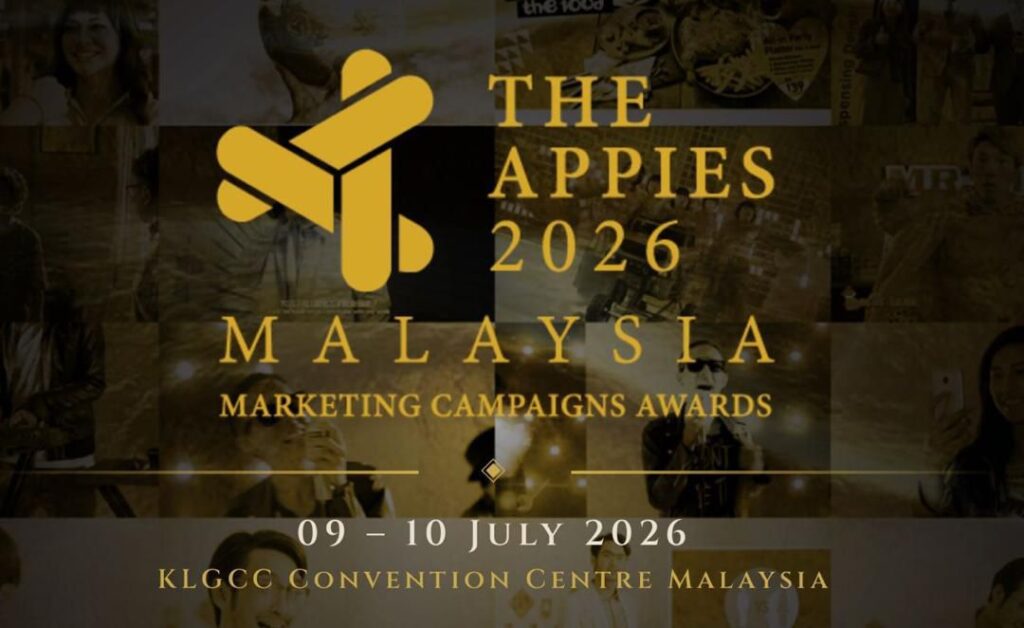
The APPIES is where Malaysia’s boldest campaigns, brightest ideas, and most impactful storytellers take the stage.
More than an awards show, it is the industry’s ultimate platform for creative, media, digital and marketing excellence, where live presentations meet live judging.
This is your chance to showcase work that moved audiences, shaped conversations, and delivered real results.
From breakthrough brand campaigns to innovative digital experiences, the APPIES celebrates the work that defines the future of marketing.
Step into the spotlight alongside the industry’s leading agencies, brands, creatives, strategists and changemakers.
Whether you are aiming for Gold, Silver, Bronze or the prestigious Best of the Best recognition, this is your moment to make history.
Your campaign deserves to be seen.
Your ideas deserve the stage.
Your work deserves the legacy.
KEY DATES
Haven’t subscribed to our Telegram channel yet? Don’t miss out on the hottest updates in marketing & advertising!