
Marketers have always loved a shortcut.
Focus groups instead of full launches. A/B tests instead of boardroom opinions. Dashboards instead of “I feel it will work”.
Now a new shortcut is entering the room, and it sounds almost too good to be true.
Synthetic marketing.
It means using synthetic data to plan, test, and optimise campaigns without leaning so heavily on real customer data. Think of it as a practice match before the real game. You create a “synthetic audience” that behaves like your market.
Then you run scenarios on it. Different offers, different messages, different channels, different budgets. You learn faster, you spend smarter, and you reduce privacy risk.
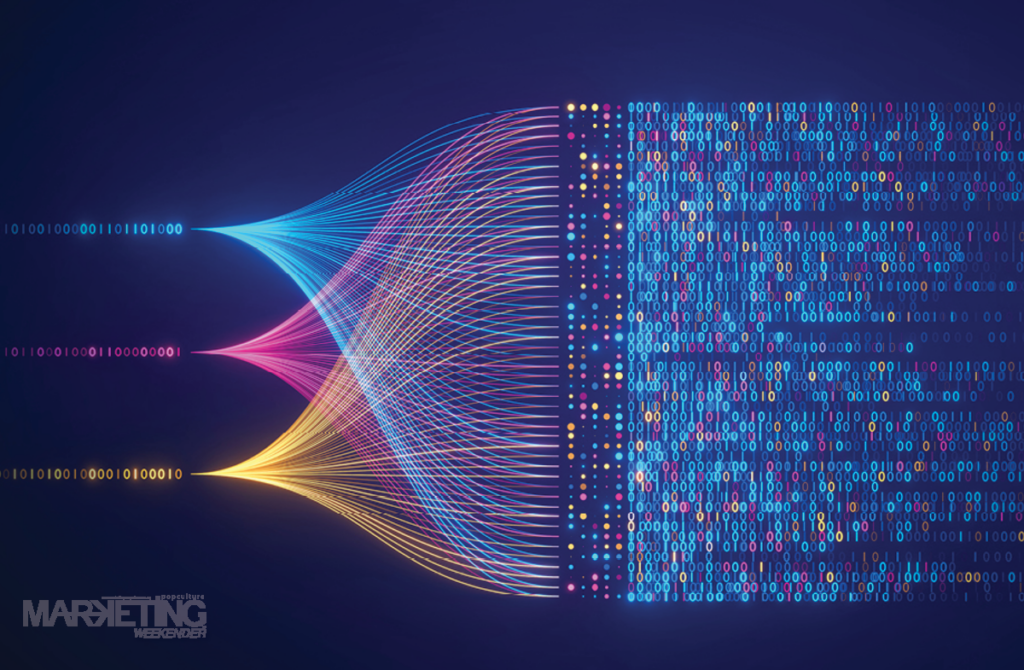
Synthetic data is artificial data that looks and behaves like real data, but it is not tied to real people. No one in that dataset is your actual customer.
It is generated by models that learn patterns from real-world behaviour and then produce new, plausible records.
Why should Malaysian marketers care.
Because our old data habits are getting squeezed from both ends.
On one end, platforms are tightening tracking and pushing more “walled garden” measurement. On the other, customers are more sensitive about privacy, spam, and how brands use their numbers and identities.
Meanwhile, Malaysia is a market of extremes. Klang Valley moves differently from Kota Bharu. Penang behaves differently from Johor Bahru. And one national message can land like two different campaigns depending on language, culture, and price pressure.
In that environment, synthetic marketing becomes attractive for three reasons.
First, speed. You can simulate “what if” questions before you burn money. Imagine a telco running a Merdeka campaign offering “extra data for streaming”.
Synthetic testing can estimate whether the hero message should be TikTok-and-gaming for urban youth, but WhatsApp-and-video-calls for family segments, and whether the call-to-action should be “add-on pass” or “auto-upgrade”. Same offer, different framing, different lift.
Or take a QSR during Ramadan. You want to push “berbuka set” bundles at peak hours, but you also want to avoid over-discounting.
Synthetic scenarios can model which combination of bundle price points, limited-time items, and delivery promos will grow baskets without training customers to wait for deals.
Second, privacy and access. In Malaysia, first-party data sits in silos. Banks, telcos, e-commerce, delivery apps, and loyalty programmes hold rich signals, but marketers rarely get clean, shareable datasets.
Synthetic datasets can be safer to share across brand teams, agencies, and analytics partners without passing around raw customer records. A retailer planning a “payday sale” can collaborate with an agency using synthetic customer journeys instead of emailing raw loyalty lists to everyone.
Third, coverage. Most local teams, especially SMEs and challenger brands, do not have perfect CRM, perfect tagging, or years of clean history.
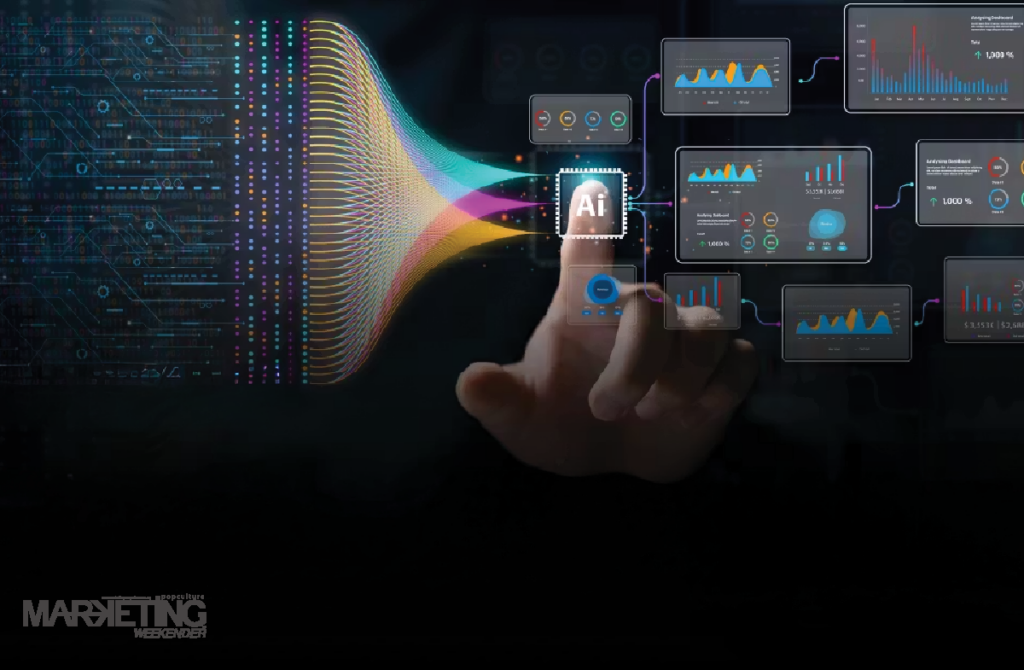
Synthetic data can help fill gaps, create test environments, and train or validate models for forecasting, churn risk, next-best offer, attribution, and fraud checks.
Now, to make this real, here are the kinds of local campaign moves synthetic marketing can improve.
These are not “case studies”, they are familiar Malaysia-style campaign situations where simulation helps you choose better.

Festive campaigns that swing wildly by segment. Think Raya campaigns that rely on emotional storytelling, plus retail mechanics that must still move product.
Synthetic testing can help you decide whether to lead with film-first storytelling on YouTube and TV, while driving conversion with shorter cut-downs in marketplaces and retail media.
It can also estimate the point where retargeting becomes annoying, especially when everyone is spamming the same festive audience.
Value campaigns in a price sensitive market. Malaysia loves “lebih jimat”, but brands often go too far and become discount addicts.
A “Jimat Sampai…” style campaign for FMCG or modern trade can be simulated across segments to see whether you are growing penetration or just subsidising people who would have bought anyway.
Synthetic data is useful for spotting cannibalisation, especially when you run overlapping promos across supermarkets, convenience stores, and marketplaces.
Bank and e-wallet campaigns that live or die on friction. Imagine a “scan and win” or “cashback weekend” push.
Synthetic journeys can model how many steps people tolerate, where drop-offs happen, whether “instant cashback” beats “points accumulation”, and how messaging should differ between heavy users and first-timers.
The marketer’s nightmare is spending millions to reward the same power users while missing the next wave of adopters.
Telco and broadband acquisition campaigns. A fibre broadband push often uses a single national message, but reality differs by area, condo rules, install time expectations, and household size.
Synthetic marketing can model which value proposition wins in different clusters, speed, stability, gamer-friendly latency, or family streaming bundles, and which channels deliver qualified leads instead of “curious clicks”.
Automotive and property lead-gen. Malaysian lead gen is full of low-quality leads. A property campaign can simulate lead quality by channel, then test follow-up cadence, WhatsApp scripts, and appointment incentives to reduce ghosting.
A car brand can simulate whether a “0% downpayment” message pulls in tyre-kickers, while a “monthly instalment certainty” message attracts better prospects.
So why are marketers still not using it.
Because it is stuck between promise and practice.
Trust is the first barrier. “Made up people” sounds like imagination, not measurement. Many CMOs would rather rely on a small real dataset than a large synthetic one, even if the small dataset is noisy.
Capability is the second. Synthetic marketing sits between marketing, data science, and governance. Many organisations do not have the in-house muscle to build it, brief it properly, or challenge the assumptions inside the model.
Data hygiene is the third. If your customer records are messy, your definitions change every quarter, and your tracking is inconsistent, synthetic output will mirror that mess, only faster.
Incentives are the fourth. Synthetic marketing is preventative. It helps you avoid waste. But many organisations reward visible wins, not the quiet discipline of testing what would have failed.

Now the warning label.
Synthetic marketing can make you confidently wrong. If your synthetic generator is trained on biased, outdated, or incomplete inputs, you will reproduce those weaknesses at scale. You will simulate a market that behaves exactly like your blind spots.
So here is the Malaysian marketer’s rulebook.
Use it for pattern decisions, not cultural truth. Great for budget allocation, response curves, channel mix, frequency, and offer structure. Weaker for predicting sudden shifts in sentiment, memes, or cultural moments.
Anchor it to reality. Validate synthetic results against a real holdout sample, even a small one.
Do not outsource strategy to it. It is a testing engine, not a positioning engine.
Make assumptions visible. If the team cannot explain what is being modelled in plain English, you have built a black box.
Treat “synthetic” with governance. It is not an automatic free pass.
In short, synthetic marketing is a wind tunnel for campaigns. It lets Malaysian marketers rehearse before they spend. Used well, it is faster, safer, and more disciplined experimentation. Used lazily, it is a new way to be wrong with confidence.