By India Fizer
Rachel Pool on what’s replacing the brief — and why agencies need to keep up
Campaigns move fast. So why are briefs still static? Rachel Pool, Head of Strategy at Ogilvy New York, says agencies need more than a new format; they need a new mindset. In this Q&A, she discusses how briefing is becoming a continuous, collaborative process and why that’s leading to better work.
How are client briefs evolving in 2025, and what’s prompting that shift?
Let’s be real: most client briefs in 2025 are still stuck in 2015. While we’ve revolutionized almost every aspect of how we create and distribute work, the brief—that critical first step—remains largely unchanged. A PDF or slide deck, passed from client to agency, filled with the same sections we’ve used for decades.
The traditional brief is dead weight in an age that demands velocity and intelligence. What we need isn’t a better template—it’s a completely new approach to how we frame problems and ignite solutions.
The most forward-thinking clients and agencies have already abandoned the “brief as document” model entirely. Instead, they’re building what can be called “problem spaces”—digital environments where challenges are defined, data flows continuously, and both human and machine intelligence can explore solutions together.
The best briefs now:
We’re seeing more co-creation at the briefing stage — how does this change the dynamic between strategist, creative, and client?
The old model was a relay race: client hands brief to strategist, strategist hands creative brief to creative, creative presents to client. That sequential process is dead in any agency that wants to remain relevant.
What’s emerging instead is what we call “parallel play”—where client teams, strategists, creatives, and AI tools all engage with the problem simultaneously but from different angles.
The strategist’s role has evolved from being the brief writer to being the “problem architect”—creating the space where the right questions get asked and the most useful connections get made.
For creatives, then, instead of responding to a fixed brief, they’re often in the room when the challenge is first articulated, bringing their unique perspective to how we frame the opportunity. And rather than presenting a few “big ideas,” they’re continuously exploring and refining directions as new data and insights emerge.
Clients who get this aren’t just “partners” in the traditional sense—they’re active participants in the creative process. The most successful clients we work with have dismantled the wall between their internal teams and our agency, creating shared workspaces (both digital and physical) where we can collectively explore challenges. This isn’t just faster—it produces fundamentally better work.
With real-time data now a constant part of campaign planning, how is it influencing the way briefs are shaped and refined? Are there any other resources or partners that you bring in to inform and assist in delivering a campaign?
Real-time data has completely transformed what a brief is and how it functions.
The most effective briefs now have “living metrics”—dashboards that continuously update as campaigns run, consumer behavior shifts, or competitors make moves. This means we’re not just measuring results against the brief after the fact; we’re allowing the brief itself to evolve based on what we learn.
This requires Strategists to rethink their major and minor capabilities to include the ability to put on new hats:
The most significant shift is that the brief is no longer something we reference at the beginning and end of a project—it’s a living tool we engage with continuously. When a campaign element underperforms, we don’t just change the creative; we revisit and refine the fundamental problem we’re trying to solve.
As AI and automation become more embedded in strategy and creative, how do you see the briefing process evolving in the next five years?
The brief of tomorrow isn’t a better document—it’s a smarter conversation. It’s a space where human insight and machine intelligence collaborate continuously. It’s a process that respects the complexity of the challenges we face while maintaining the clarity of purpose that has always defined great work.
But here’s what won’t change: the need for human vision and judgment. AI can process information at incredible scale, but it can’t care about outcomes the way we do. It can’t understand the subtle cultural contexts that make ideas resonate. It can’t feel the emotional impact of a concept.
The most successful agencies won’t be those who use AI to automate the briefing process—they’ll be those who use AI to elevate it, freeing human minds to focus on the aspects of strategy and creativity that machines can’t touch.
Share Post:
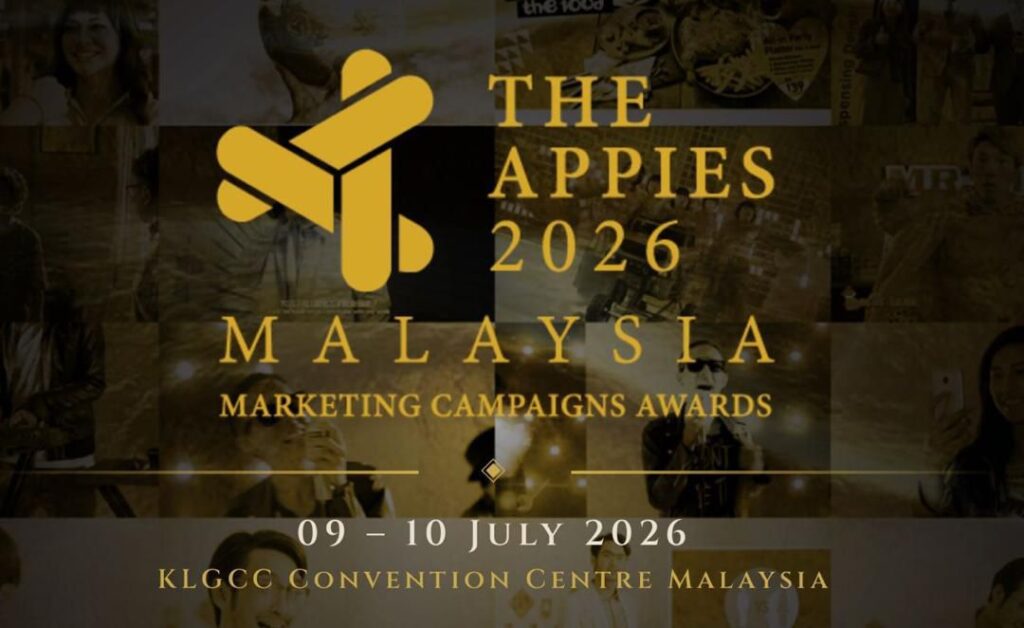
The APPIES is where Malaysia’s boldest campaigns, brightest ideas, and most impactful storytellers take the stage.
More than an awards show, it is the industry’s ultimate platform for creative, media, digital and marketing excellence, where live presentations meet live judging.
This is your chance to showcase work that moved audiences, shaped conversations, and delivered real results.
From breakthrough brand campaigns to innovative digital experiences, the APPIES celebrates the work that defines the future of marketing.
Step into the spotlight alongside the industry’s leading agencies, brands, creatives, strategists and changemakers.
Whether you are aiming for Gold, Silver, Bronze or the prestigious Best of the Best recognition, this is your moment to make history.
Your campaign deserves to be seen.
Your ideas deserve the stage.
Your work deserves the legacy.
KEY DATES
Haven’t subscribed to our Telegram channel yet? Don’t miss out on the hottest updates in marketing & advertising!