Some years feel like transitions.
For Malaysian marketers, 2026 is shaping up to be a point where expectations reset and growth is reconsidered through a more structural lens.
The question is no longer whether change is coming.
It is whether organisations have adapted to a world where success is defined less by activity and more by how well they operate.
Clients are increasingly focused on partners who can help them navigate what comes next, rather than those trading purely on past credentials.
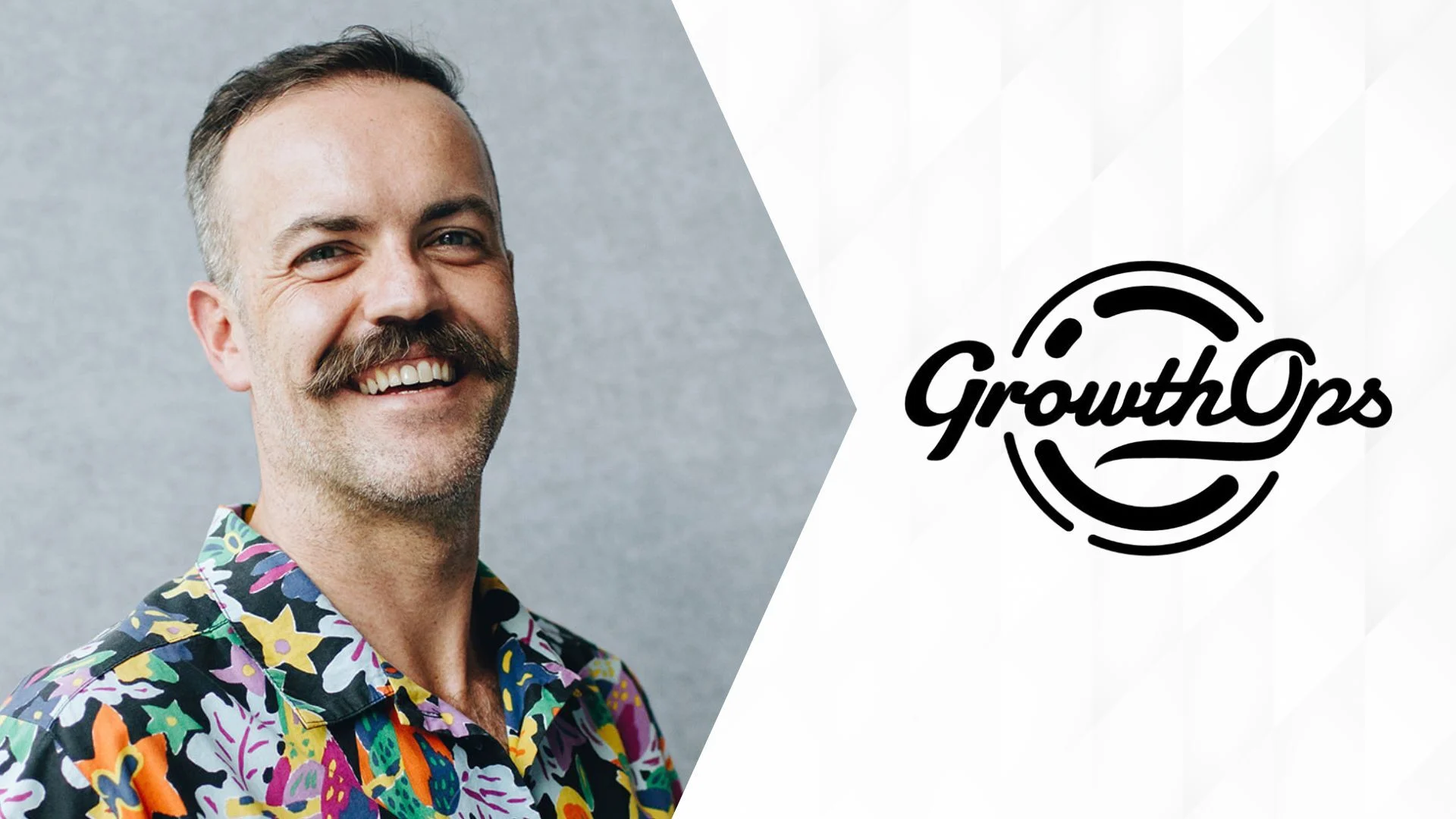
Few leaders articulate this shift more clearly than Christopher Greenough, General Manager of Malaysia at GrowthOps Asia.
For him, 2026 is not about chasing the next trend.
It is about rethinking how growth actually happens.
Rather than seeing growth as something driven by campaigns or channels, Greenough frames it as something much more systemic.
“A growth consultancy simply means being deeply involved in the client’s actual business, not just their marketing. Clients want partners who can fix the way they work, not just the way they advertise. Growth isn’t a channel outcome anymore. It’s a system’s outcome.”
The industry, in his view, is adjusting its focus from surface-level outputs to underlying capability.
The Collapse of Entitlement — and the Rise of Proof
For years, advertising rested on familiar assumptions.
Bigger meant better. Famous meant smarter. Award-winning meant effective.
That thinking no longer holds in a market where accountability is shared and outcomes matter on both sides.
“Partnership means sitting on the client’s side of the table, not acting like a vendor, and expecting the same in return.”
The hierarchy has flipped.
Agencies are increasingly judged not by footprint alone, but by how well they work alongside clients to solve real business problems.
Reputation is no longer claimed through credentials.
It is proven through outcomes.
This is the foundation of GrowthOps’ growth consultancy model, which places as much emphasis on how organisations operate as on what they produce.
Malaysia’s Shift: From Capability to Advantage
Malaysia has never lacked talent.
What has mattered more is where investment is placed.
Rather than framing progress as a question of external validation, Greenough points to areas where he believes there is still significant upside.
“On craft, as the industry tries to digitise and automate everything, the brands who put real effort into making real things and real experiences are becoming the outliers. That’s where I see under-investment, and where the biggest upside still lives.”
As automation accelerates, the return to craft is not about nostalgia. It is about standing out in an increasingly uniform landscape.
Technology Is No Longer a Flex. It Is the Architecture of Growth
AI and automation have shifted from novelty to necessity.
But Greenough draws a clear distinction between adoption and advantage.
The real differentiator is not access to tools, but how organisations activate what they already have.
“Owning and activating first-party data becomes the difference between renting reach and building resilience. And ,with AI automating most media buying, creativity becomes the last real performance lever left.”
Rather than stacking platforms, the focus is on building systems where data, technology and creativity function as long-term infrastructure.
Leadership in 2026: Clarity Over Performance
There is a quiet shift happening in agency leadership.
Influence is less about visibility and more about consistency, trust and clarity.
For Greenough, leadership only works when teams are properly supported.
“But none of this works unless our team feels supported and empowered to make it real.”
That principle is closely tied to how he defines authenticity.
“Authenticity means being honest about who we are and what we can and can’t do. That honesty builds more trust than any credentials deck ever will.”
In this environment, credibility is built through transparency rather than performance.
The Metric That No Longer Serves Growth
When asked which outdated metric brands should drop by 2026, Greenough is direct.
“Cost-per-asset needs to go. It’s a metric built for procurement convenience, not business growth. If you treat creativity like a commodity, don’t be surprised when the work feels like one.”
As growth becomes more system-led, metrics focused purely on output are giving way to measures tied to impact and outcomes.
2026: The Assignment Changes
Taken together, Greenough’s perspective points to a shift in how agencies earn relevance.
Growth in 2026 will not reward those trying to prove they belong.
It will favour organisations that behave like long-term partners, grounded in systems, discipline and consistency.
More broadly, it reflects a move towards a new operating standard for Southeast Asian marketing, built on:
In that context, Malaysia is no longer operating quietly in the background. It is increasingly being seen as a market capable of shaping how growth is built and sustained.
Growth is no longer something to launch.
It is something to build.
Share Post:
Haven’t subscribed to our Telegram channel yet? Don’t miss out on the hottest updates in marketing & advertising!