By The Malketeer
New York has seen polished billionaires, smooth technocrats and media-made figures ascend to power.
But in 2025, the city chose something very different.
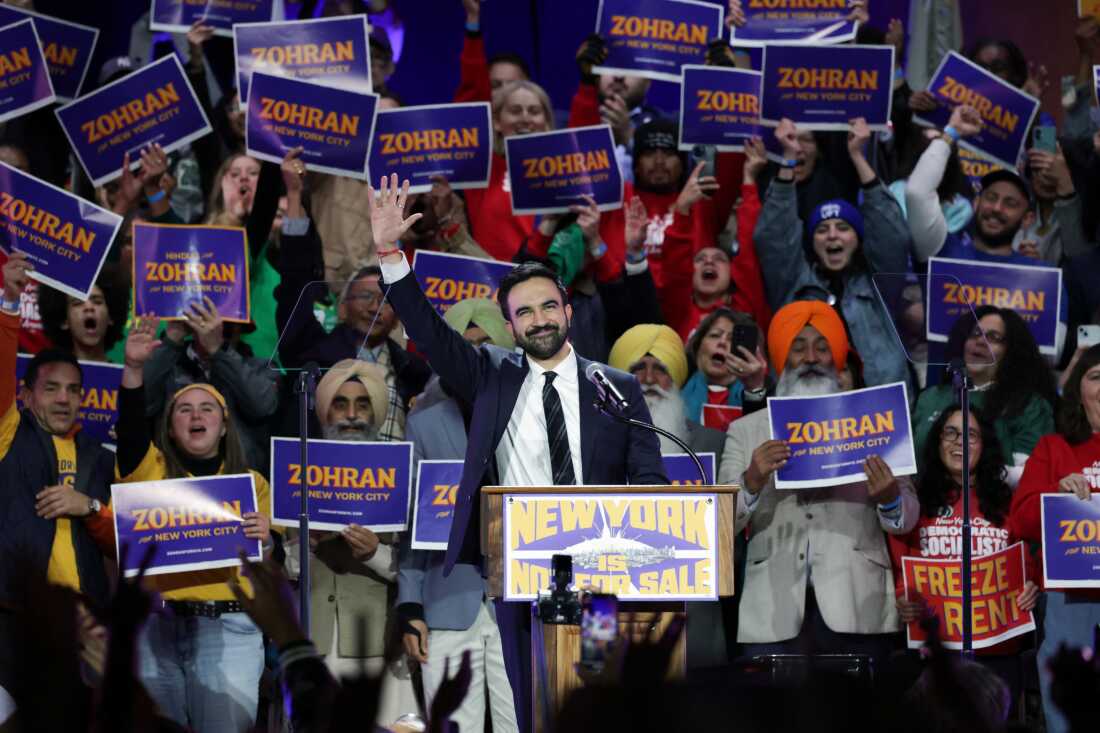
It chose a boyish, South Asian, Muslim socialist-leaning politician from Queens — Zohran Mamdani, armed not with a corporate war chest, but with community kitchens, multilingual flyers, neighbourhood WhatsApp groups, volunteer DJ nights, and a contagious belief in everyday people.
On paper, Mamdani shouldn’t have won.
He lacked name recognition. He wasn’t “safe”. He did not come from a PR-friendly dynasty. He wasn’t backed by institutional donors.
Yet he beat the establishment to become Mayor of New York!
For marketers, agencies and brands — especially in a multi-ethnic, emotionally charged, economically sensitive society like Malaysia — Mamdani’s win isn’t just a political story. It’s a masterclass in modern influence.
His campaign offers a fresh creative brief for an era tired of institutions, filter-perfect advertising and corporate platitudes.
Welcome to the new playbook.
Lesson 1: Real change beats real budgets
Most campaigns fight for reach. Mamdani fought for relevance.
Instead of glossy messaging and TV buys, he invested where trust still lives:
Brands keep chasing impressions. Mamdani built believers.
Malaysia parallel: Think of MR.DIY’s grassroots, on-ground community positioning versus big-budget FMCG theatrics. In a country where jutting price tags matter more than big slogans, relevance trumps spectacle.
The shift: From “we want attention” to “we belong in your life”.
Lesson 2: Serve the ignored — and they’ll carry you
Mamdani didn’t start in Manhattan. He started in Astoria, Queens — renters, migrants, gig workers, youth, first-gen strivers. Communities that rarely feature in campaign decks.
His message was simple: I see you. I fight for you.
Brand implication: If your segmentation slides still begin with “Mass A / B / C1 C2”, you’re already behind. Power now emerges from:
In Malaysia, this means real work with:
Brands obsess over mass. Mamdani won through the marginalised majority.
Lesson 3: Multilingual isn’t an afterthought — it’s emotional currency
His campaign materials weren’t “translated”. They were culturally fluent:
He spoke not just in languages, but in lived experience.
In Malaysia, you can’t just slap subtitles and think you’re “inclusive”.
Bahasa pasar matters. Tamil matters. Hokkien matters. Sabahan Kadazan slang matters. Sarawakian dialect matters. TikTok Manglish matters.
Identity is not a demographic. It’s belonging.
Lesson 4: Make your movement feel fun — not heavy
While rivals pumped policy PDFs, Mamdani’s crew built culture:
It didn’t feel like politics. It felt like a collective vibe.
Brands talk community. Mamdani activated one.
What if your brand stopped “targeting youth” and instead hung out with them?
What if campaigns felt like humour, music, memes and side-quests, not deliverables?
This is not frivolous. It’s strategic. Culture moves faster than media plans.
Lesson 5: Simplicity wins hearts. Detail wins trust.
His offer could be summarised in one line:
A city that works for people struggling to afford groceries, not people struggling to buy democracy.
Then he layered proof:
Simple vision + detailed roadmap = belief.
Brands too often do the reverse: complicated promise, fuzzy proof.
New rule: Simple promise, specific delivery.
Like U Mobile’s “Unlimited” era — simple idea, clear benefit, explosive adoption.
Lesson 6: Identity isn’t risk — if you own it
Mamdani didn’t sanitise who he was:
In a polarised world, authenticity can attract harder than neutrality.
In branding terms: clarity beats caution.
Red Bull never asked everyone to like them. Neither did Nando’s, Grab, Tony Fernandes, or even Malaysia’s favourite polariser — Milo trucks at school.
Identity isn’t divisive if it’s truthful, confident and generous.
Lesson 7: Influence today is earned at ground level — not headline level
NYC media didn’t crown Mamdani. People did.
Influence flowed bottom-up:
The algorithm didn’t manufacture momentum — humans did.
Brands keep trying to hack culture. Mamdani simply went where culture breathes.
The Bigger Malaysian Picture
Mamdani’s win tells us where marketing is heading.
For decades, the marketing playbook was clear: lean on big budgets, cast the widest net, polish the message until it gleamed, and speak from the top down.
Authority came from scale, reach, and the confidence of a singular, controlled brand voice.
We chased mass targeting, perfect campaigns, and broad appeal — assuming the loudest message, delivered most often, would win hearts and wallets.
Influence ran in one direction: from boardrooms to billboards to consumers.
That world has shifted beneath our feet.
Today’s reality belongs to brands that build belonging, not just visibility.
Movements start in micro-tribes, not mass media. Real momentum rises from culture, community and conversation — not corporate confidence.
Instead of perfect polish, consumers reward human texture: humour, dialect, imperfection, vulnerability.
Instead of broadcasting, the winners embed themselves in communities and co-create with them.
Power has moved from the stage to the street; from the brand script to the WhatsApp group; from the glossy campaign to the grassroots proof of relevance.
Influence now travels bottom-up, where participation beats awareness, identity beats persuasion, and real people, not media plans, decide what deserves attention.
To win hearts in 2025, brands don’t need to feel like candidates.
Candidates now need to act like great brands.
The best brands build movements, not campaigns.
Mamdani didn’t just win an election.
He won a new blueprint for attention and trust in a noisy world:
See the unseen. Speak in their language. Solve real pain. Make belonging joyful. Give power back to people.
If agencies, marketers and brands in Malaysia take even half these lessons seriously, we won’t just make better advertising. We’ll build more meaningful companies.
More credible leadership. More relevant creativity.
And — dare we say — a more human marketing industry.
Because influence now belongs not to the biggest voice in the room — but to the one closest to real people.
Share Post:

Haven’t subscribed to our Telegram channel yet? Don’t miss out on the hottest updates in marketing & advertising!