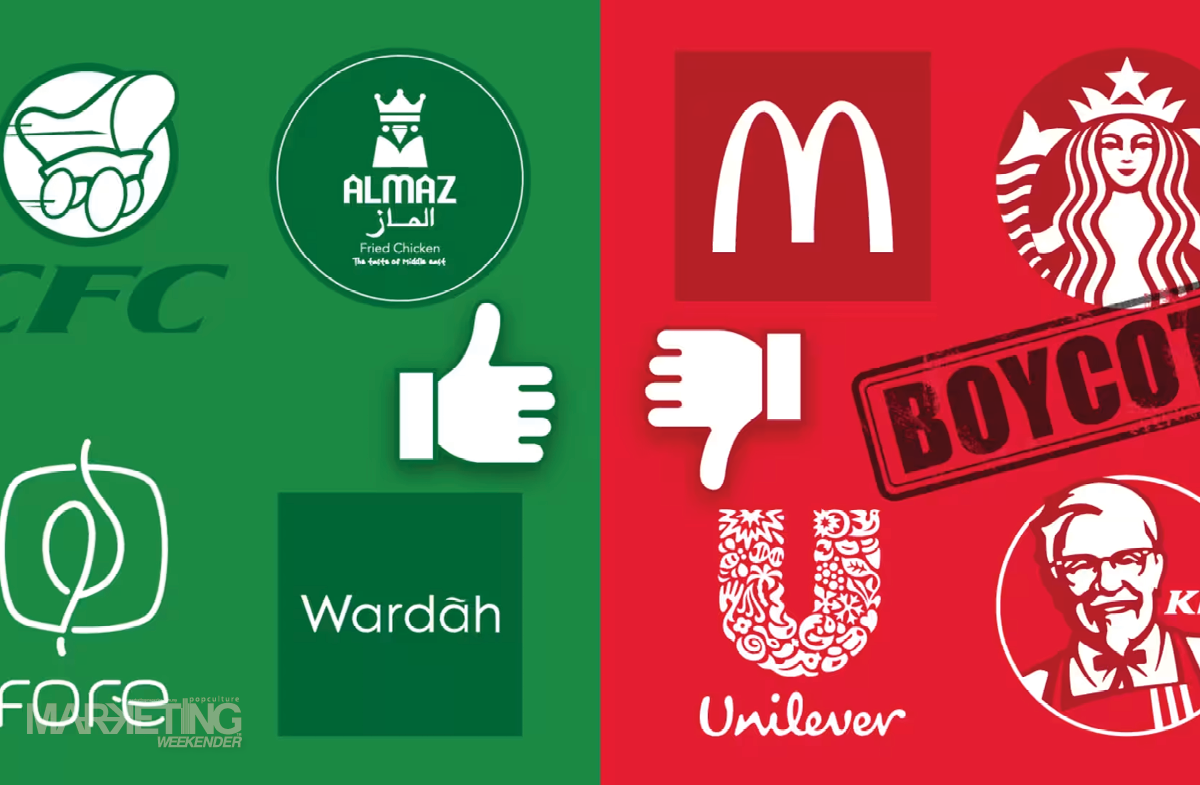
Boycotts used to be an occasional tremor in the marketplace. Today, they feel like a weekly weather report.
In Malaysia, we’ve entered an era where purchasing power has become a moral weapon.
Every ringgit spent carries an ethical signature. Every cup of coffee, every subscription, every sneaker brand now comes with a question mark: who does this company really stand with? It’s no longer enough for brands to sell products… they must now defend principles.
The truth is, the Malaysian consumer has evolved faster than most marketing departments.
When the public feels unheard, boycotts become the new ballot boxes – the only language corporations seem to respond to.
And make no mistake: these boycotts aren’t driven by blind emotion. They’re fuelled by memory.
Consumers are not just reacting; they’re remembering who spoke up, who stayed silent, who tried to play neutral when neutrality itself became a choice. A brand may forget its missteps after a campaign ends, but Malaysians don’t. They screenshot everything.
For decades, marketing built emotional monopolies. Brands cultivated loyalty like religion, asking people to love them unconditionally. Now that faith has fractured. Consumers are reclaiming ownership of their devotion. When they withdraw it, they aren’t punishing products; they’re rejecting hypocrisy. The boycott is the people’s way of editing the brand story — a kind of grassroots rebranding that no agency pitch deck can control.
Some companies still respond with the same tired choreography – the “deeply concerned” statement, the grayscale social post, the pledge to “reflect and do better.”
But history has no patience for performance. You can’t rewrite the past with a campaign when the wound still bleeds in public view. What Malaysians are demanding now is not rhetoric but reckoning.
The smartest brands understand that boycotts aren’t the end of a relationship; they’re the beginning of a very uncomfortable but necessary conversation. It’s a stress test of integrity.
Because in this climate, silence is not neutrality. It’s complicity. The marketplace has become moral ground, and brands are being judged less by the promises in their ads and more by the principles in their actions. The consumer no longer buys your story; they audit it.
The irony is that boycotts are, in a strange way, making marketing meaningful again.
They’ve reminded the industry that consumption is an act of conscience — that values, not vanity metrics, drive real connection. In forcing brands to examine their own DNA, consumers are holding up a mirror to an industry that has long believed its own myth-making.
So can brands rewrite history? Probably not. The Internet already archived every ad, every apology, every contradiction. But what brands can do is write their next chapter with honesty — not PR polish, not crisis spin, but genuine accountability.
Because Malaysians don’t boycott brands for making mistakes. They boycott brands that pretend they never did.
In the end, the question isn’t whether a brand can rewrite history. The real question is whether it has finally learned to tell the truth.
Share Post:

Haven’t subscribed to our Telegram channel yet? Don’t miss out on the hottest updates in marketing & advertising!